Category: Plantation Shutters

  • Best Window Shutters for Street-Facing Homes

    Best Window Shutters for Street-Facing Homes

    Terraced houses account for 25.9% of all housing stock in England according to 2024 government Council Tax statistics  and the vast majority of them share the same problem. The front room window sits metres from the pavement, faces the street directly, and is visible from multiple sightlines simultaneously. Curtains help during the day but fail at night. Net curtains look dated and still do not work after dark. Roller blinds are either fully up or fully down. None of these options solve the fundamental challenge of a street-facing home: maintaining privacy at all times of day and in all lighting conditions without sacrificing the natural light that makes a front room liveable.

    Plantation shutters are the window covering that changes this equation entirely  and for street-facing homes specifically, the right style and material choice makes an enormous practical difference. This guide covers exactly what works, why, and how to get the best result for your specific front window.

    Why Street-Facing Windows Are the Hardest Privacy Challenge

    The specific challenge of a street-facing window is not simply that it faces the outside. It is the combination of three conditions that rarely coexist on rear or side windows.

    The first is proximity. In Yorkshire’s terraced streets  whether Victorian stone terraces in Sheffield’s Nether Edge and Walkley, Edwardian semis in Rotherham and Barnsley, or 1930s properties in Doncaster and Huddersfield  the front window is typically between two and five metres from the pavement. Anyone walking past has an uninterrupted sightline into the room at close range.

    The second is angle variability. Unlike a rear window that is primarily overlooked from above by neighbouring upper-floor windows, a street-facing window is viewed from multiple different angles simultaneously: from directly opposite, from both sides as people walk along the pavement, from uphill or downhill positions on sloped streets, and from vehicles on the road. A window covering that blocks one sightline may not block all of them.

    The third is the day-night reversal. During daylight hours, the brighter exterior makes the interior relatively dark and harder to see into  even a sheer curtain or net provides some daytime privacy. After dark, when interior lights are on, the light differential reverses completely. The room interior becomes the brighter side, and a street-facing window with lights on and standard curtains or light-filtering blinds becomes almost fully transparent from outside. UK planning guidance under Part K of the Building Regulations acknowledges this by distinguishing between overlooking risks during the day and the more severe privacy loss that occurs at night in illuminated rooms  a distinction that matters directly for window covering choice.

    How Plantation Shutters Solve the Street-Facing Privacy Problem

    Plantation shutters address all three of the above challenges simultaneously, and they do so in a way that no other standard window covering can replicate.

    The louvre angle mechanism provides the first solution. Louvres angled upward interrupt the downward sightline from street level  the most common angle of view on a street-facing window. The underside of each louvre faces the street, blocking the horizontal sightline while still admitting light from above each slat. This is not a partial solution. When correctly set, a louvred shutter with upward-angled slats makes it genuinely not possible to see into the room from the pavement directly in front of the window.

    The fixed, frame-fitted construction provides the second solution. Because plantation shutters are fixed to the window reveal rather than hanging from a rail above, there are no side gaps, no gaps at the top, and no gaps at the bottom for sightlines to enter around the covering. The entire window opening is addressed  not just the central fabric area that a curtain or blind covers.

    The day-and-night consistency is the third solution. A properly angled louvre provides identical privacy regardless of which side is brighter. Unlike light-filtering roller blinds or sheer curtains, which rely on the exterior being brighter than the interior to maintain daytime privacy, plantation shutters with correctly set louvres interrupt the sightline physically rather than optically. They work just as effectively at 10pm with all the lights on as they do at 2pm on a bright afternoon.

    The Best Shutter Styles for Street-Facing Homes

    Not every shutter style performs equally for street-facing privacy. The right choice depends on the specific window type, the primary sightline direction, and whether privacy or light is the primary priority.

    Full Height Shutters

    The most complete privacy solution for a street-facing window. A single set of panels covers the entire window from top to bottom, with louvres adjustable to any angle. When louvres are set upward at approximately 45 degrees, full height shutters provide excellent daytime privacy while admitting a usable amount of natural light  the room is lit, the street cannot see in. When fully closed, they provide complete visual and thermal privacy.

    Full height shutters are the right specification for living rooms and dining rooms where the entire window is the concern, for windows where the sightline comes from both ground level and across the street at roughly equal height, and for properties on main roads where vehicle headlights and pedestrian traffic are both factors.

    Café Style Shutters

    Café style shutters cover only the lower portion of the window  typically the lower half, though the split point is made to measure and can be set to any height. The upper section of the window remains permanently open.

    This is the most practical style specifically for Victorian and Edwardian terraced front rooms, where the primary sightline problem is pedestrian-level. Most passers-by on a Sheffield or Rotherham terraced street are at roughly the same height as the lower half of the window. A café style shutter eliminates this sightline entirely while leaving the upper half of the window fully open, allowing maximum sky light and maintaining the room’s connection with the street scene without the closed-in feeling of a full covering.

    The trade-off is that café style does not address sightlines from above  from raised pavements, uphill positions on sloped streets, or opposite windows on elevated ground. For properties where uphill sightlines are a concern, full height or tier-on-tier is the better specification.

    Tier-on-Tier Shutters

    Two independent sets of panels  one for the upper half of the window and one for the lower  each adjustable separately. This provides the flexibility of café style (lower closed, upper open) while also allowing the upper section to be closed independently when needed.

    Tier-on-tier is the most versatile style for street-facing windows on sloped streets, corners, or locations where the sightline angle varies significantly throughout the day. In the morning, both sections can be open for maximum daylight. During the day when passing foot traffic is present, the lower section can be closed and louvred for privacy while the upper section remains open. In the evening, both sections can be independently closed for complete coverage.

    This independent control is particularly useful for Yorkshire’s sloped residential streets, where the pavement height relative to a window changes depending on whether the viewer is uphill or downhill of the property  the louvre angle that blocks an uphill sightline is different from the one that blocks a level or downhill sightline.

    Bay Window Shutters

    Bay-fronted properties  which make up a significant proportion of the Victorian and Edwardian terraces that dominate Sheffield, Rotherham, Barnsley, and Doncaster  present a specific privacy challenge because the projecting bay creates multiple window faces at different angles. A person walking along the pavement can see into a bay window from a much wider arc of directions than a flat-fronted window.

    Professionally fitted bay window plantation shutters address every section of the bay independently, with each panel manufactured to the exact angle and dimension of that section. The result is consistent coverage and consistent louvre direction across the entire bay  something that cannot be achieved with standard blinds or curtains, which cannot be configured differently across the multiple faces of a bay without visible interruption at each junction.

    Lafayette Shutters specialises in bay window fitting across Yorkshire, with every bay measured in person at the free home survey stage to ensure each section is precisely accounted for.

    Which Material Is Best for Street-Facing Privacy Shutters

    Material choice for a street-facing front room is primarily about aesthetics, durability, and the specific room environment  privacy performance is broadly consistent across all materials when fit is correct.

    Paulownia Hardwood with ABS Coating

    The right choice for most front-facing living rooms and dining rooms in Yorkshire. The natural hardwood core provides the warmth and visual weight that suits period properties across Sheffield, Rotherham, and Barnsley, while the ABS coating ensures dimensional stability across seasonal temperature changes  important for windows that receive maximum outdoor weather exposure.

    Paulownia ABS-coated shutters are available in 13 painted colours and 4 stains, carry a 10-year warranty, and are dimensionally stable enough to maintain a precise, draught-minimising fit across the full year. For front rooms where both privacy and thermal performance matter  which describes most street-facing front rooms in Yorkshire’s older housing stock  this is the strongest all-round specification.

    UPVC Composite Shutters

    UPVC is the right specification for street-facing kitchens, downstairs bathrooms, and utility rooms with front-facing windows. Fully waterproof, resistant to the direct sun exposure that affects front-facing windows more than rear ones, and easy to clean, UPVC handles the specific conditions of a south or west-facing front window  strong UV exposure combined with periodic direct rain  better than standard painted hardwood without protective coating.

    Lafayette’s European UPVC range ships in 3 to 4 weeks and is available in white, making it a practical fast-turnaround option for homeowners who want a solution quickly.

    Basswood

    A dense, straight-grained hardwood option for front-facing rooms where a painted finish is preferred and the window does not face direct sun for extended periods each day. Basswood carries a 5-year warranty and is available in a range of painted colours. It is an effective choice for north or east-facing front windows where UV exposure and thermal cycling are less intense than on south or west-facing elevations.

    Louvre Size for Street-Facing Privacy: What to Specify

    Louvre size affects both the privacy performance and the visual character of the shutter, and for street-facing windows specifically the choice has a practical dimension beyond aesthetics.

    Larger louvres  89mm wide  provide a broader slat surface per louvre and fewer individual gaps across the panel. At a given louvre angle, a 89mm louvre blocks more of the sightline per slat than a 63mm louvre. For street-facing windows where privacy is the primary concern, specifying 89mm louvres delivers the best privacy-to-light ratio  more of the incoming sightline is blocked at any given louvre angle, which means you can admit more light while maintaining the same level of privacy.

    Smaller 63mm louvres give a more traditional, closer-packed appearance that suits period properties where a finer profile is aesthetically appropriate. They provide slightly less privacy per degree of louvre angle, but are entirely effective when correctly positioned and suit the character of Victorian and Edwardian bay-fronted terraces across Sheffield and Rotherham.

    Medium 76mm louvres offer a balance between the two  a generous slat size that performs well for privacy while maintaining a proportional appearance on most standard window sizes.

    Night-Time Privacy on Street-Facing Windows

    The night-time privacy failure of standard window coverings is the most acute problem for Yorkshire terraced homes, and the one that most consistently drives homeowners to choose plantation shutters.

    When interior lights are on and the outside is dark, a light-filtering roller blind provides almost no privacy  the room interior is visible from outside in as much detail as if the blind were open. Even thicker fabric blinds and lined curtains perform significantly worse at night than during the day, because the principle that makes them effective during daylight  the exterior being brighter than the interior  reverses completely after dark.

    Plantation shutters with louvres correctly angled perform identically day and night. The louvre surface blocks the sightline by physical interruption  the slat is in the way, regardless of light direction. This means you can have a front room fully lit in the evening with the television on and people visible through the window from outside in daytime, and the same louvre setting that provided privacy at 2pm continues to provide privacy at 10pm with every light on.

    For homeowners who have experienced the frustration of a front room that is essentially on display every evening despite having curtains or blinds, this is frequently the single most compelling reason to invest in privacy plantation shutters.

    Privacy, Security, and Street-Facing Windows

    Privacy and security are closely connected for street-facing windows, and plantation shutters address both simultaneously.

    Research published by the Home Office confirms that the majority of residential burglaries in the UK are opportunistic rather than planned  triggered by visible signs of occupancy, visible valuables through windows, or easy access points that appear unobserved. A front room window where the interior is clearly visible from the street  showing televisions, laptops, and personal belongings  is a direct contributor to the opportunistic burglary risk that UK police consistently identify.

    Plantation shutters eliminate window visibility from the street, meaning the contents and occupancy patterns of the front room cannot be assessed by anyone passing outside. They also present a physical obstacle  a solid shutter panel inside the glass  that increases the visible difficulty of gaining entry through a window. This deterrence effect, combined with the privacy benefit, makes plantation shutters one of the most practically useful security improvements available for a street-facing front room without requiring structural alterations.

    Made-to-Measure vs Off-the-Shelf: Why Bespoke Matters for Street-Facing Windows

    For street-facing windows specifically, the made-to-measure versus off-the-shelf distinction matters more than for any other application. The reason is gaps.

    Off-the-shelf shutters are manufactured in standard sizes and cut to approximate fit on site. The result is almost always small but visible gaps at the frame edges  at the sides, top, or bottom of the panel  where the standard size does not precisely match the actual window opening. These gaps are the exact points where sightlines enter. A shutter that fits to within 5mm of the window frame eliminates the privacy benefit at precisely the points that matter most for a street-facing window.

    Made-to-measure plantation shutters from Lafayette are manufactured to the exact millimetre dimensions of your specific window, as measured at the free home survey by a specialist. There are no standard sizes in the production process  every panel is made for one specific window in one specific property. This precision is what delivers consistent, gap-free privacy performance across the entire window opening rather than just the central panel area.

    The supply-only route is available for confident DIYers who want made-to-measure shutters at a reduced cost  the measuring guide provided with every supply-only order explains how to measure to the same precision used in professional surveys.

    Style Guide: Best Shutters for Common Street-Facing Window Types in Yorkshire

    Window TypeRecommended StyleRecommended Louvre SizeKey Privacy Benefit
    Standard flat-fronted front windowFull height76mm or 89mmComplete coverage, day and night privacy
    Victorian bay window (3 section)Full height bay63mm or 76mmCloses multiple sightline angles simultaneously
    Street-level terraced front roomCafé style76mm or 89mmEliminates pavement sightline, retains upper light
    Sloped street terrace with uphill viewsTier-on-tier76mm or 89mmIndependent upper and lower control for variable sightlines
    Corner property with two-direction exposureFull height89mmMaximum coverage with strongest louvre privacy
    Ground floor front bedroomFull height with blackout option89mmComplete privacy and optional blackout for sleep

    How Lafayette Shutters Serves Street-Facing Homes Across Yorkshire

    Lafayette Shutters supplies and installs made-to-measure privacy plantation shutters across Sheffield, Rotherham, Barnsley, Doncaster, Huddersfield, Chesterfield, and the wider Yorkshire and Derbyshire region. Every fitted order begins with a free home survey where a specialist assesses the specific sightlines your street-facing window faces, measures each section to precise tolerances, and recommends the style, louvre size, and material that delivers the best result for your property.

    Hardwood, UPVC, and basswood options are available across all styles  full height, café, tier-on-tier, bay, and tracked  with lead times from 3 to 4 weeks for UPVC to 10 to 12 weeks for Paulownia hardwood.

    For homeowners outside the installation coverage area, supply-only orders ship nationwide across Great Britain with full measuring and installation instructions. The Lafayette covers product specifications, lead times, and warranty information in detail. For personalised advice on which configuration works best for your street-facing front window, contact the Lafayette team directly.

    Frequently Asked Questions About Privacy Window Shutters for Street-Facing Homes

    What are the best window shutters for a street-facing front room?

    Full height plantation shutters are the most complete solution for a street-facing front room, providing privacy across the entire window opening with louvres adjustable to any angle for light control. Café style shutters are the most practical choice specifically for properties where the primary concern is the pavement-level sightline  they block the lower half of the window while leaving the upper half open for light. Tier-on-tier provides the most flexible option where sightlines vary in direction throughout the day.

    Do plantation shutters provide privacy on a busy street at night?

    Yes, and this is the most significant privacy advantage plantation shutters have over standard roller blinds and curtains for street-facing homes. When louvres are correctly angled, the slat surface blocks the external sightline physically regardless of whether the exterior or interior is brighter. This means plantation shutters maintain consistent privacy after dark when interior lights are on  the condition where roller blinds and curtains fail most visibly.

    Which shutter style gives the most privacy for a Victorian bay window?

    Full height bay window plantation shutters give the most complete privacy for a Victorian bay window. Each section of the bay is manufactured and fitted independently to the precise angle and dimension of that section, covering all three or more sightline directions that a projecting bay window faces simultaneously. This is a significantly more effective solution than blinds or curtains, which cannot be configured differently across each section of the bay without a visible interruption at each junction.

    Should I choose café style or full height shutters for a street-facing terraced house?

    Café style shutters are the most practical choice for most Yorkshire terraced houses where the primary sightline comes from pavement level  the lower half of the window addresses the sightline that matters most while the upper half remains open for light. Full height shutters are better for properties on sloped streets where uphill sightlines present an additional challenge, corner properties with multiple street exposure angles, or rooms where full coverage including the upper window is preferred. A free home survey is the best way to confirm which suits your specific window and street.

    Are made-to-measure shutters necessary for street-facing windows?

    Yes, particularly for street-facing applications where gaps at the frame edges are the specific points where sightlines enter. Off-the-shelf shutters cut to approximate fit leave small but meaningful gaps at the frame edges that undermine privacy precisely where it matters most. Made-to-measure shutters manufactured to the exact dimensions of your window provide gap-free coverage across the entire opening, which is what consistent day-and-night privacy requires.

    How do plantation shutters improve security for street-facing homes?

    Plantation shutters eliminate window visibility from the street, preventing the contents and occupancy patterns of the front room from being assessed by passers-by. They also present a visible physical obstacle inside the glass that increases the apparent difficulty of gaining access through the window. Both effects contribute to reducing the opportunistic burglary risk that the Home Office identifies as the dominant category of residential break-in in the UK.

    What louvre size is best for privacy on a front window?

    Larger louvres  89mm  provide the strongest privacy-to-light ratio on a street-facing window, because each individual louvre covers more of the sightline per degree of angle. At the same louvre setting, an 89mm louvre blocks more incoming sightline than a 63mm louvre, which means you can admit more light while maintaining the same level of privacy. For period properties where a finer appearance is preferred, 76mm offers a practical balance between privacy performance and proportional appearance.

    Ready to Solve the Privacy Problem in Your Street-Facing Yorkshire Home?

    Lafayette Shutters installs custom privacy plantation shutters across Sheffield, Rotherham, Barnsley, Doncaster, Huddersfield, Chesterfield, and the wider Yorkshire and Derbyshire region. Every fitted order starts with a free home survey  a specialist visits your property, assesses the specific sightlines your front window faces, and recommends the best style and specification for your home.

    Call 0114 698 6245, email info@lafayette-shutters.co.uk, or use the online quote tool for an instant price estimate.
  • Full Height vs Tier-on-Tier Shutters: Which Style Is Right for Your Home?

    Full Height vs Tier-on-Tier Shutters: Which Style Is Right for Your Home?

    When homeowners in Yorkshire and across the UK begin researching plantation shutters, the style decision that generates the most uncertainty is the choice between full height and tier-on-tier. Both cover the whole window. Both are available in the same materials and colours. Both provide privacy and light control. And yet they are meaningfully different in how they function day to day, how they look in a room, and which situations each is best suited to.

    This guide resolves that uncertainty with a clear, honest comparison  covering function, aesthetics, cost, room suitability, and the specific situations where one style clearly outperforms the other  so you can make the right choice for every window in your home.

    The Core Difference: One Frame vs Two

    The structural distinction between the two styles is straightforward. Full height shutters use a single continuous set of panels that covers the entire window from sill to top frame, with louvres that can be angled to any position across the full height of the panel. Tier-on-tier shutters divide the window into two independent sections  upper and lower  each with its own separate set of panels that can be opened, closed, and louvred independently of the other.

    That single structural difference  one set of panels versus two  is what drives every other distinction in operation, aesthetics, cost, and suitability. Understanding it clearly makes every other comparison in this guide easy to follow.

    Full height shutters are the more popular of the two by a significant margin. Independent UK supplier data confirms that full height configurations account for approximately 72% of all plantation shutter installations in the UK  a proportion that reflects the style’s combination of clean aesthetics, operational simplicity, and versatility across room types.

    Full Height Shutters: What You Need to Know

    How They Work

    Full height shutters cover the entire window opening with one continuous frame. The panels hinge on the sides of the frame and fold back when full window access is needed. Within the closed panels, the louvres can be angled simultaneously via the tilt rod, or  on shutters with a mid-rail or divider rail  the upper and lower louvres can be angled independently while the panels themselves remain as one unit.

    The mid-rail or divider rail is worth understanding specifically, because it is frequently misunderstood as a tier-on-tier feature. A full height shutter with a mid-rail is still a single panel system  the panels do not open independently at the top and bottom. The mid-rail simply allows the louvres in the upper section to be tilted separately from those in the lower section, giving some of the light and privacy flexibility of tier-on-tier without the structural complexity of two separate panel sets. Windows over approximately 1.8 metres in height typically require a divider rail for structural integrity regardless of the louvre preference, and many homeowners specify a hidden rail  which provides the same structural support but is concealed within the panel profile for a seamless appearance.

    The Aesthetic Case for Full Height

    Full height shutters create a continuous vertical line from sill to top frame. There is no horizontal division across the window  no break in the panel profile at the midpoint. This uninterrupted coverage creates what designers describe as an architectural look: the shutters become part of the wall rather than a window covering applied to it.

    This aesthetic works particularly well in rooms with tall ceilings and large windows  common in Yorkshire’s Victorian and Edwardian terraces with their generous room proportions  where the vertical continuity of full height shutters emphasises the height of the window rather than dividing it. In modern open-plan living spaces, the clean, uncluttered profile of full height shutters complements minimalist interior design more naturally than the layered appearance of tier-on-tier.

    For homeowners prioritising a sleek, contemporary finish, full height is almost always the stronger aesthetic choice.

    Where Full Height Shutters Work Best

    Full height shutters perform optimally in a specific set of circumstances that applies to the majority of UK rooms.

    Living rooms where the primary requirements are privacy and light control, not independent access to different parts of the window, benefit most from the simplicity of full height. A single adjustment of the tilt rod controls the whole window simultaneously, which is faster and more convenient than managing two independent sets of panels for rooms that are used throughout the day without a changing pattern of light requirements.

    Rooms where the window does not face the street directly  rear-facing rooms, side rooms, upper-floor rooms  have less need for the independent privacy control that tier-on-tier provides. A full height shutter on a rear garden-facing window addresses the aesthetic and light control requirements without the additional cost and complexity of independent panels.

    Hallways and landing windows benefit from the architectural, uninterrupted look of full height shutters, where the priority is usually appearance and basic privacy rather than nuanced light management.

    Rooms with very large windows  particularly bay windows across Sheffield, Barnsley, and Doncaster’s Victorian terraces  are better served by full height than tier-on-tier on the largest panels, because the structural simplicity of a single-panel system handles large glazed areas more reliably than two independent panel sets that must align consistently across multiple sections of bay.

    Tier-on-Tier Shutters: What You Need to Know

    How They Work

    Tier-on-tier shutters divide the window into two completely independent sections. The upper panels and lower panels each have their own frame, their own hinges, and their own louvres. Opening the upper panels fully for light does not affect the lower panels  they remain closed and fully private. Closing the upper panels for complete coverage does not require the lower panels to be adjusted at all.

    This independence is the defining feature of tier-on-tier shutters. The comparison often made is to a traditional stable door  the top and bottom halves of the door are independent and can be used in any combination. Applied to a window, this means four functional positions are available at any time: both open for full window access, lower closed and upper open for maximum light with privacy, upper closed and lower open for an unusual but occasionally useful configuration, and both closed for full coverage and privacy.

    The Aesthetic Case for Tier-on-Tier

    Tier-on-tier shutters have a more layered, traditional appearance than full height  the horizontal division across the midpoint of the window gives a pronounced visual break that some rooms benefit from and others do not. Period properties specifically, particularly Victorian and Edwardian terraces, sometimes suit this layered look because it echoes the proportional division of original sash windows, where the upper and lower sashes create a natural horizontal break at the window’s midpoint.

    Some homeowners specifically choose tier-on-tier because they prefer the richer, more detailed appearance over the cleaner profile of full height shutters. This is a purely aesthetic preference with no functional implication  both styles provide excellent privacy and light control. The choice between a contemporary, uninterrupted look and a traditional, layered one is the clearest aesthetic distinction between the two.

    Where Tier-on-Tier Shutters Work Best

    Tier-on-tier shutters deliver their most significant practical advantage in specific room and window situations where independent control of the upper and lower window genuinely changes what is possible day to day.

    Street-facing bedrooms on ground floor or first floor where the requirement changes between daytime and night-time are the primary application. During the day, the lower panels remain closed and louvred to address the street-level sightline, while the upper panels are opened fully for maximum daylight. At night, both sets of panels are closed for complete privacy and any blackout combination that may be layered behind. This is a genuinely different capability from full height, where the same privacy-during-day and privacy-at-night requirement can only be met by adjusting the louvre angle of one continuous panel.

    Windows on sloped Yorkshire streets where the sightline angle from uphill passers-by differs from the angle of level or downhill viewers benefit from tier-on-tier because the upper and lower louvres can be set to different angles simultaneously  the lower section angled for pavement-level views, the upper section angled differently for the elevated sightline from uphill.

    Rooms that need a specific function from the lower window independently of the upper  a home office where the lower section faces a neighbouring property while the upper section faces open sky, for instance  benefit from being able to manage the two sections completely separately.

    Children’s bedrooms and nurseries where morning sleep is interrupted by early light from the upper window, while the lower section can remain closed throughout, benefit from the independent control that tier-on-tier provides without requiring a full blackout system across the entire window.

    Side-by-Side Comparison

    FactorFull HeightTier-on-Tier
    Panel operationSingle set  louvres adjust together (or independently with mid-rail)Two independent sets  open, close, and louvre completely separately
    AestheticClean, continuous, architecturalTraditional, layered, detailed
    Light controlGood  full window louvre adjustmentExcellent  independent upper and lower control
    Privacy controlGood  consistent across full windowExcellent  lower section private while upper section open
    Ease of daily useSimpler  one operation manages whole windowSlightly more complex  two independent operations
    CostLowerTypically 15 to 25% higher due to added complexity
    Installation timeShorterSlightly longer  two frame sets to align
    MaintenanceMarginally simpler  fewer moving partsMarginally more  two hinge sets and more hardware to check
    Best for large windowsYes  handles wide and tall openings wellBetter suited to standard and medium windows
    Market share in UKApproximately 72% of installationsApproximately 28% of installations
    Insulation performanceMarginally better  continuous frame has fewer join pointsVery good  minor thermal difference at the mid-frame join
    Period property suitabilityExcellentExcellent  layered look suits Victorian and Edwardian properties
    Modern interior suitabilityExcellentGood  the layered look suits some modern interiors less

    The Mid-Rail Option: Full Height Shutters With Independent Louvre Control

    One important option that resolves many of the practical reasons to choose tier-on-tier is the full height shutter with a mid-rail  also called a divider rail or hidden break.

    A mid-rail divides the louvres of a full height shutter into upper and lower sections that can be angled independently, while the panels themselves remain as one continuous unit. This means you can angle the lower louvres upward for street-level privacy while angling the upper louvres downward to direct incoming light  exactly the functional capability that draws homeowners to tier-on-tier  without the additional cost, complexity, and panel-opening mechanism of two completely separate panel sets.

    For many of the use cases where tier-on-tier seems to be the answer  street-facing rooms, sloped-street sightlines, rooms where daytime light management changes throughout the day  a full height shutter with a mid-rail achieves the same practical result at a lower cost and with a cleaner visual profile.

    The distinction that mid-rail cannot replicate is the ability to open the upper panels fully while keeping the lower panels closed  folding the top half of the window back completely. If physically opening the upper half of the window while keeping the lower half shuttered is an important functional requirement for your room, tier-on-tier is the only style that provides it. If the requirement is independent louvre angle control without needing to physically open different sections of the panel, a full height shutter with mid-rail is often a more practical and cost-effective solution.

    This option is available across Lafayette’s range  the free home survey is the right point to discuss which configuration works best for your specific window and requirements.

    Cost Comparison: What the Price Difference Actually Reflects

    Tier-on-tier shutters are typically 15 to 25% more expensive than equivalent full height shutters for the same window, and it is worth understanding exactly what that cost difference reflects.

    The additional cost comes from three factors: double the number of hinge sets required, two separate frame assemblies that must be precisely aligned to sit flush against each other at the mid-window division, and the additional manufacturing time involved in producing and aligning two independent panel sets rather than one. The materials themselves  the wood, the coating, the louvres  are identical between the two styles at the same specification. The price difference is purely structural and mechanical.

    For budget-conscious homeowners, this means two practical approaches. The first is to specify full height shutters with a mid-rail, which provides most of the functional benefit of tier-on-tier at full height pricing. The second is to use tier-on-tier selectively  on the windows where independent panel operation genuinely adds daily value (street-facing bedrooms, rooms on sloped streets)  while using full height on windows where the added flexibility of tier-on-tier would rarely be used in practice.

    For an accurate cost comparison for your specific windows, use the Lafayette online quote tool or request a full quotation at the free home survey stage.

    Which Style Is Right for Each Room?

    RoomRecommended StyleWhy
    Street-facing front living roomFull height with mid-railAddresses sightline with independent louvre control; cleaner aesthetic than tier-on-tier
    Street-facing ground floor bedroomTier-on-tierIndependent panel operation allows maximum light from upper section while lower stays private
    Rear-facing living room or dining roomFull heightNo independent panel requirement; cleaner look; lower cost
    Victorian bay windowFull heightStructural simplicity handles multiple bay sections more reliably on large glazed areas
    Children’s bedroom or nurseryTier-on-tierIndependent upper panel closing addresses early morning light without disturbing lower coverage
    Home office with varied sightlinesTier-on-tierUpper and lower sections face different external conditions; independent control is genuinely useful
    BathroomFull height UPVCNo independent operation requirement; UPVC for waterproofing
    Hallway or landingFull heightAesthetic priority; no complex light management needed
    Large patio door or bi-fold openingTracked shutters (separate style)Sliding track system  neither full height nor tier-on-tier panels are appropriate for very wide openings

    Child Safety Considerations for Both Styles

    The British Blind and Shutter Association publishes child safety guidance that applies to all interior window shutters, including both full height and tier-on-tier configurations. Plantation shutters  which operate via a tilt rod and panel hinges rather than pull cords  are inherently safer than corded blinds for households with young children, since there are no dangling cords that present a strangulation risk.

    Both styles are compliant with current UK child safety standards when correctly specified and installed. Tier-on-tier shutters have slightly more hardware at the mid-window level  the additional hinge sets and frame edges  which should be considered in very young children’s rooms where the accessible hardware at child height increases. Professional installation ensures all hardware is properly secured and seated, eliminating any sharp edges or protruding fixings.

    Common Buyer Misconceptions

    A few recurring misconceptions about this choice are worth addressing directly before you make a decision.

    One is that tier-on-tier provides significantly better privacy than full height. In practice, both styles provide equivalent privacy when louvres are correctly angled  the advantage of tier-on-tier is independent operation of sections, not stronger privacy from either section when closed.

    Another is that full height shutters with a mid-rail are the same as tier-on-tier. They are not  the mid-rail allows independent louvre angle control but does not allow independent panel operation. Understanding this distinction determines whether mid-rail solves your requirement or whether full tier-on-tier is necessary.

    A third is that tier-on-tier is always better because it offers more options. More options add more complexity  two sets of panels to adjust, more hardware to maintain, and a higher initial cost. For windows where the added flexibility is rarely used in practice, full height is the more appropriate and cost-effective choice.

    Lafayette Shutters: Both Styles Across Yorkshire and Derbyshire

    Lafayette Shutters supplies and installs full height and tier-on-tier plantation shutters across Sheffield, Rotherham, Barnsley, Doncaster, Huddersfield, Chesterfield, and the wider Yorkshire and Derbyshire region. Both styles are available in Paulownia hardwood with ABS coating, UPVC composite, and basswood  across all louvre sizes, colours, and frame configurations.

    Every fitted order begins with a free home survey where a specialist assesses every window in your home, discusses which style serves each room’s specific requirements, and provides a no-obligation written quote covering both options so you can compare directly. For homeowners outside the installation area, supply-only orders ship nationwide across Great Britain. The Lafayette FAQ covers specification details for both styles, including mid-rail options, louvre sizes, and lead times. For a specific recommendation on which style suits your home, contact the team directly.

    Frequently Asked Questions About Full Height vs Tier-on-Tier Shutters

    What is the difference between full height and tier-on-tier shutters?

    Full height shutters cover the entire window with one continuous set of panels, with louvres adjustable across the full height simultaneously or independently with a mid-rail. Tier-on-tier shutters divide the window into two completely independent sets of panels  upper and lower  that open, close, and louvre completely separately. Full height is simpler to operate and provides a cleaner aesthetic; tier-on-tier provides greater operational flexibility at a higher cost.

    Are tier-on-tier shutters worth the extra cost?

    Tier-on-tier shutters are worth the additional 15 to 25% cost in specific situations: street-facing bedrooms where independent panel operation changes what is practically possible day to day, rooms on sloped streets with variable sightline angles, and children’s rooms or home offices where different parts of the window face genuinely different external conditions. For rear-facing rooms, hallways, or any window where independent panel operation would rarely be used in practice, full height shutters  potentially with a mid-rail  deliver equivalent results at a lower cost.

    Can full height shutters provide independent light control?

    Yes, when specified with a mid-rail or divider rail. This feature divides the louvres of a full height shutter into upper and lower sections that tilt independently, providing much of the light and privacy flexibility of tier-on-tier without the added cost and complexity of two separate panel sets. Windows over approximately 1.8 metres tall typically include a mid-rail as standard for structural reasons. A hidden rail option provides the same functionality with no visible break in the panel profile.

    Which shutter style is better for a bedroom?

    For most bedrooms, full height shutters with a mid-rail provide all the light control and privacy needed. For street-facing bedrooms  particularly ground floor rooms in Yorkshire’s terraced housing  tier-on-tier provides the additional advantage of independently opening the upper panels for maximum daylight while keeping the lower panels completely closed and private. For bedrooms where blackout is a priority, either style can be combined with an integrated blackout blind behind the panels.

    Which style suits Victorian and Edwardian properties best?

    Both styles suit period properties well, though for different reasons. Full height shutters emphasise the height and scale of Victorian and Edwardian windows with an architectural, uninterrupted look. Tier-on-tier echoes the natural division of original sash windows and provides a layered, traditional appearance that some homeowners prefer for period rooms. The choice is ultimately aesthetic  both function equally well in period properties.

    Is tier-on-tier harder to maintain than full height?

    Marginally, because there are more moving parts  two sets of hinges and two frame assemblies rather than one. In practice, with professionally installed quality shutters, the difference in maintenance is minimal. The annual hardware check recommended for all plantation shutters simply covers twice the number of hinge points on a tier-on-tier installation. Tier-on-tier shutters are not recommended on very large glazed openings, where the complexity of maintaining alignment between the two panel sets across a wide span increases over time.

    How much more expensive are tier-on-tier shutters than full height?

    Tier-on-tier shutters typically cost 15 to 25% more than equivalent full height shutters for the same window, reflecting the additional manufacturing complexity, double the hinge sets, and two frame assemblies that must be precisely aligned. The material itself  wood species, coating, louvre size  is identical between the two styles at the same specification. Use the Lafayette online quote tool for a direct cost comparison on your specific windows.

    Ready to Choose the Right Style for Your Yorkshire Home?

    Lafayette Shutters installs made-to-measure plantation shutters in both full height and tier-on-tier configurations across Sheffield, Rotherham, Barnsley, Doncaster, Huddersfield, Chesterfield, and across Yorkshire and Derbyshire. Every fitted order starts with a free home survey to assess every window individually and recommend the right style for each room.

    Call 0114 698 6245, email info@lafayette-shutters.co.uk, or use the online quote tool for an instant price estimate on either style.

  • Who Are the Top Internal Shutter Specialists in Yorkshire and Derbyshire?

    Who Are the Top Internal Shutter Specialists in Yorkshire and Derbyshire?

    Yorkshire and Derbyshire together form one of the most active and competitive regional markets for internal plantation shutters in England. The combined population of more than five million people, spread across a housing stock that ranges from East Yorkshire’s coastal properties to the Peak District’s stone-built cottages, from South Yorkshire’s Victorian terrace streets to West Yorkshire’s mill towns and North Yorkshire’s market towns, creates genuine demand for a wide range of shutter types, materials, and installation expertise.

    The question of which companies are the top internal shutter specialists across these two counties cannot be answered with a single name. The market is geographically spread enough that what constitutes a top specialist in Harrogate is a different company from a top specialist in Chesterfield — and the right company for a Derbyshire Dales stone cottage is not necessarily the right company for a Sheffield terrace. This guide maps the full regional market honestly, identifies which specialists serve which areas, explains what to look for when evaluating any shutter company, and positions Lafayette Shutters clearly within the landscape as the specialist that naturally serves the South Yorkshire and north Derbyshire portion of this combined market.

    How to Read This Guide

    Yorkshire is not one market — it is four counties and a diverse landscape of housing types, price points, and buyer demographics. The relevant internal shutter specialists are different depending on which part of the region you are in. This guide divides the market into five geographic clusters to make the comparison genuinely useful rather than artificially lumping unrelated areas together.

    The five clusters are: South Yorkshire (Sheffield, Rotherham, Barnsley, Doncaster), West Yorkshire (Leeds, Bradford, Huddersfield, Wakefield), North Yorkshire (York, Harrogate, Scarborough, Ripon), East Yorkshire (Hull, Beverley, Bridlington), and Derbyshire (Chesterfield, Derby, Matlock, Derbyshire Dales). Lafayette Shutters operates as the primary internal shutter specialist for the South Yorkshire and north Derbyshire cluster. The other clusters each have their own relevant specialists, mapped honestly below.

    South Yorkshire: Internal Shutter Specialists

    South Yorkshire — covering Sheffield, Rotherham, Barnsley, and Doncaster — is the core market for Lafayette Shutters. The four metropolitan districts share a housing stock dominated by Victorian and Edwardian terraced and semi-detached properties, and the shutter market reflects the strong demand from homeowners investing in permanent, value-adding improvements as property values across the region rise steadily.

    Lafayette Shutters — Rotherham

    Lafayette Shutters is the only dedicated internal plantation shutter specialist headquartered within South Yorkshire. Based in Rotherham, the company serves the full South Yorkshire metropolitan area and north Derbyshire as its primary installation territory. Unlike national franchises with South Yorkshire on a coverage map and unlike solo traders working across a wide territory from a different base, Lafayette operates with its entire team in Rotherham — surveys, manufacturing coordination, installation, and aftercare all handled by the same local operation.

    The Lafayette range includes Paulownia hardwood with ABS coating, European UPVC composite, UK UPVC, and basswood, across all styles — full height, café style, tier-on-tier, bay window, tracked, shaped, and solid panel. Every supply-and-install order begins with a free home survey across Sheffield, Rotherham, Barnsley, Doncaster, and Huddersfield.

    Shuttercraft South Yorkshire — Doncaster Franchise

    Shuttercraft South Yorkshire is the Doncaster franchise of the Shuttercraft national brand, which describes itself as “South Yorkshire’s award-winning shutter experts.” The franchise model delivers consistent Shuttercraft product standards across South Yorkshire, with the Doncaster base serving Barnsley, Rotherham, parts of Sheffield, and surrounding areas. Shuttercraft’s national brand recognition and product range are genuine strengths; the franchise model means service quality reflects both the national brand and the individual franchise holder.

    Shutters by Ian — Sheffield

    A Sheffield-based sole trader with explicitly listed coverage across Rotherham, Barnsley, Chesterfield, Doncaster, and Huddersfield. A well-reviewed independent specialist whose single-person model means the same individual measures, advises, and installs — the high accountability of a sole trader operation combined with specific South Yorkshire housing experience.

    Charltons Curtains and Blinds — Multiple Yorkshire Branches

    Charltons operates branches across Yorkshire including Barnsley, Sheffield, Huddersfield, and Wakefield. A multi-product retailer offering curtains, blinds, and shutters with a mobile showroom service, covering the full South Yorkshire region. Their broad window covering range suits homeowners who want to compare shutters with other options in a single appointment.

    Visionary Blinds — Sheffield

    A Sheffield-based multi-product blind and shutter retailer covering Sheffield, Rotherham, Worksop, and surrounding South Yorkshire areas. Plantation shutters are part of their range alongside blinds and other window coverings.

    West Yorkshire: Internal Shutter Specialists

    West Yorkshire — covering Leeds, Bradford, Huddersfield, Halifax, and Wakefield — is a large and active shutter market with its own cluster of specialists distinct from the South Yorkshire base.

    The Valley Shutter Co — Huddersfield

    A West Yorkshire and North West England specialist based near Huddersfield, with over ten years of experience in the trade. The Valley Shutter Co describes its service as being delivered by skilled joiners with close attention to detail, covering West Yorkshire and extending into the North West. Their Huddersfield base makes them a natural choice for the West Yorkshire towns and the area where South and West Yorkshire meet. Their focus on joinery expertise rather than a sales-led model aligns with the approach many West Yorkshire homeowners prefer.

    Charltons Curtains and Blinds

    With branches across Yorkshire including Huddersfield and Wakefield, Charltons serves West Yorkshire as part of their multi-branch Yorkshire network.

    Just Shutters Yorkshire

    Just Shutters is a national franchise network with a Yorkshire franchise covering specific areas. Their premium positioning — including a lifetime guarantee on their product — and franchise model attract homeowners who prioritise long-term warranty protection alongside product quality. Coverage should be confirmed for specific West Yorkshire postcodes before booking.

    Wolds Shutters — East Yorkshire/West Yorkshire

    Wolds Shutters positions itself as “Yorkshire’s leading plantation shutter specialist,” based in East Yorkshire and extending westward. Their focus on made-to-measure wooden shutters suits the premium end of the Yorkshire market.

    North Yorkshire: Internal Shutter Specialists

    North Yorkshire — covering York, Harrogate, Scarborough, Northallerton, Ripon, and the dales — is a higher-income market with strong demand for premium hardwood shutters in the county’s many period and character properties.

    Shutter Emporium — Harrogate

    A Harrogate-based family business headed by a time-served qualified joiner, Shutter Emporium serves North Yorkshire with a free home design service. The joinery background gives the business a credible edge in North Yorkshire’s significant stock of older and period properties where precise measurement and fit quality matter most. Consistently well-reviewed locally for personal service and installation precision.

    The Beautiful Shutter Company — North Yorkshire

    Based in North Yorkshire and covering York, Harrogate, Leeds, and the wider Yorkshire and North East region, The Beautiful Shutter Company focuses on character properties — period homes, stone-built farmhouses, and older buildings where plantation shutters complement the architectural character of the building rather than working against it.

    Just Shutters Yorkshire

    The Just Shutters franchise covers parts of Yorkshire including North Yorkshire. Their national product standards and lifetime guarantee attract premium buyers across the county.

    East Yorkshire: Internal Shutter Specialists

    East Yorkshire — covering Hull, Beverley, Bridlington, Driffield, and the Wolds — has a more dispersed shutter market than the West Riding urban clusters. Wolds Shutters is the most locally prominent specialist, covering the East Yorkshire Wolds area with a specific plantation shutter focus.

    Wolds Shutters

    Based in East Yorkshire and covering the Yorkshire Wolds, Bridlington, Driffield, and surrounding areas, Wolds Shutters offers made-to-measure wooden shutters with a strong local reputation for the character and rural properties common in this part of the county.

    Just Shutters Yorkshire

    Coverage should be confirmed for specific East Yorkshire postcodes.

    Derbyshire: Internal Shutter Specialists

    Derbyshire’s shutter market splits into two distinct geographic areas — north Derbyshire (Chesterfield, Clay Cross, Dronfield, Bolsover) where the South Yorkshire market’s proximity creates overlap, and south and east Derbyshire (Derby, Belper, Ilkeston, Swadlincote) where Derby-based specialists are more accessible.

    Lafayette Shutters — Rotherham (North Derbyshire Coverage)

    Chesterfield, Clay Cross, Dronfield, Staveley, Eckington, Killamarsh, Bolsover, and surrounding north Derbyshire towns fall within Lafayette’s core installation territory — the company’s Rotherham base is approximately 12 miles from Chesterfield town centre, making this a natural extension of the same team that serves South Yorkshire. For north Derbyshire homeowners specifically, Lafayette is the closest dedicated plantation shutter specialist to their area.

    The Shutter Specialist — Derbyshire and Staffordshire

    The Shutter Specialist is a dedicated shutter company serving Derbyshire, Staffordshire, and surrounding areas. Their model — a single specialist who surveys, quotes, and installs — removes the multi-person handoff that some homeowners find frustrating about larger franchise operations. They offer a 10-year guarantee across their range and a price-beating promise against like-for-like quotes. Coverage extends across Derbyshire and into Staffordshire, with the joinery background of the founder providing relevant experience in Derbyshire’s significant stock of period and character properties.

    Hello Shutters — Derby

    Hello Shutters is a Derby-based independent specialist with nearly a decade of installation experience, covering Derby city and the wider Derbyshire county. Their primary territory is south and central Derbyshire, with north Derbyshire falling toward the edge of their regular coverage area.

    Shuttercraft Derbyshire

    Shuttercraft’s national franchise network includes a Derbyshire franchise covering Derby and the surrounding county. As with the South Yorkshire franchise, the Shuttercraft model delivers consistent national brand standards with local delivery through the franchise holder.

    Shutter Envy — East Midlands

    Shutter Envy is based in Melton Mowbray and covers parts of Derbyshire alongside their core East Midlands territory. Their coverage explicitly acknowledges that travel time determines the extent of their Derbyshire reach.

    What Makes an Internal Shutter Specialist Genuinely Top-Rated?

    The market map above covers the range of suppliers. The framework below covers how to evaluate any of them before booking a survey — because the company that is “top-rated” in any meaningful sense is the one that performs best against these specific criteria for your specific circumstances.

    Specialism vs Multi-Product Retailer

    A company that sells plantation shutters alongside curtains, blinds, roller blinds, and Roman blinds is not a shutter specialist — it is a window covering retailer with shutters in its range. This distinction matters practically: shutter-specific expertise in measuring out-of-square Victorian reveals, fitting bay windows across multiple sections, or managing the tolerances required for an arched opening is developed through volume and focus, not through selling a wide range of products. When comparing specialists versus retailers, ask specifically how many shutter installations the company completes each year and what proportion of their work is shutter-specific.

    Direct-to-Manufacturer vs Retail Margin Structure

    Some shutter companies work directly with manufacturers, removing the intermediary markup that inflates prices at retailers and national chains. Lafayette Shutters works directly with manufacturers — which is why the prices it offers for bespoke Paulownia hardwood and UPVC composite across South Yorkshire and north Derbyshire are competitive against national franchise pricing despite the absence of franchise infrastructure.

    Free In-Person Survey by the Installing Team

    A supplier who surveys your home in person using their own installers — not a subcontractor brought in for the survey stage — ensures that the person taking measurements is accountable for the quality of the finished installation. For Yorkshire and Derbyshire’s varied housing stock, where window reveals can be significantly out of square in older properties, this accountability matters.

    Genuine Local Knowledge of Your Housing Type

    Yorkshire’s housing stock varies substantially by region and by town within region. A Harrogate specialist with deep experience in North Yorkshire’s stone-built rural properties brings different relevant expertise to a Chesterfield terrace installation than a Sheffield-based specialist with years of experience in South Yorkshire’s Victorian streets. Matching the company’s experience base to your property type is as important as any other selection criterion.

    Transparent Warranty Terms in Writing

    The headline warranty term — five years, ten years, lifetime — matters less than what the warranty actually covers and who you contact if a problem arises. A lifetime guarantee from a franchise operation is only as durable as the franchise itself; a 10-year guarantee from an established independent specialist with verifiable local reviews is more meaningful in practice. Ask for the warranty document before ordering.

    Verifiable Reviews From Customers in Your Area

    TrustATrader, Checkatrade, and Google reviews all provide access to independent customer feedback for shutter specialists in Yorkshire and Derbyshire. Look for reviews that mention your specific area, the type of property (Victorian terrace, stone cottage, new build), and the post-installation experience — not just the quality of the fitter’s interpersonal skills on the day.

    How Lafayette Shutters Fits Within This Market

    Lafayette Shutters is the internal shutter specialist that best serves a specific and clearly defined portion of this combined regional market: South Yorkshire and north Derbyshire — Sheffield, Rotherham, Barnsley, Doncaster, Huddersfield, Chesterfield, and surrounding areas on both sides of the South Yorkshire/Derbyshire border.

    It is not the right company for a homeowner in Harrogate, Beverley, or Derby — and this guide says so clearly, because the right answer to the question “who is the top shutter specialist?” genuinely depends on where you are. For South Yorkshire and north Derbyshire specifically, Lafayette’s local headquarters, direct manufacturer relationships, full material and style range, and team continuity from survey through to aftercare make it the strongest option in that portion of the market.

    Every Lafayette fitted order begins with a free home survey where a specialist visits your property, assesses each window individually, recommends the right material and style for each room, and provides a written no-obligation quote. The full range of internal shutter styles and materials is available across the South Yorkshire and north Derbyshire core territory, with supply-only orders available nationwide for homeowners outside the installation area.

    Pricing Across Yorkshire and Derbyshire

    Internal shutter pricing across Yorkshire and Derbyshire is broadly consistent, with variation driven by material, window size, and style rather than geographic location within the region. As a practical guide:

    Window TypeSupply-Only (Approx.)Supply and Install (Approx.)
    Small bedroom window (60cm x 100cm)£200 to £320£350 to £550
    Standard living room window (100cm x 120cm)£320 to £520£550 to £800
    Bathroom window, uPVC (60cm x 80cm)£170 to £280£300 to £480
    Victorian bay window (3 section)£750 to £1,200£1,100 to £1,900

    Premium hardwood specifications and North Yorkshire’s higher-income market tend to sit toward the upper end of these ranges. South Yorkshire and north Derbyshire pricing reflects the direct manufacturer relationship that removes franchise or retail margin from the final cost. For an instant estimate across South Yorkshire and north Derbyshire, use the Lafayette online quote tool.

    Frequently Asked Questions About Internal Shutter Specialists in Yorkshire and Derbyshire

    Who are the top internal shutter specialists in Yorkshire?

    Yorkshire is a large and diverse market — the top specialists vary by region. For South Yorkshire (Sheffield, Rotherham, Barnsley, Doncaster): Lafayette Shutters (Rotherham-based, the only dedicated specialist headquartered in South Yorkshire), Shuttercraft South Yorkshire, and Shutters by Ian. For West Yorkshire: The Valley Shutter Co (Huddersfield) and Charltons Curtains and Blinds. For North Yorkshire: Shutter Emporium (Harrogate), The Beautiful Shutter Company, and Just Shutters Yorkshire. For East Yorkshire: Wolds Shutters. The right specialist for your home depends on which part of Yorkshire you are in and what property type you have.

    Who are the top internal shutter specialists in Derbyshire?

    For north Derbyshire and Chesterfield: Lafayette Shutters (Rotherham, 12 miles north — the closest dedicated specialist to the area). For central and south Derbyshire: The Shutter Specialist (Derbyshire and Staffordshire) and Hello Shutters (Derby-based). Shuttercraft Derbyshire covers the county through its national franchise network. Shutter Envy covers parts of Derbyshire from its East Midlands base.

    What is the difference between a shutter specialist and a blind and curtain retailer offering shutters?

    A shutter specialist focuses on plantation shutters as its primary or sole product. A blind and curtain retailer offers shutters alongside a wider range of window coverings. The practical difference is installation expertise depth — a specialist typically completes a higher volume of shutter installations and develops more specific experience in measuring out-of-square reveals, fitting bay windows, and managing complex installation situations. A multi-product retailer may offer competitive pricing but with less shutter-specific expertise. Ask any supplier specifically what proportion of their installations are shutters rather than other window coverings.

    Does Lafayette Shutters cover West or North Yorkshire?

    Lafayette Shutters’ core installation territory is South Yorkshire and north Derbyshire — Sheffield, Rotherham, Barnsley, Doncaster, Huddersfield, Chesterfield, and surrounding areas. Huddersfield sits at the boundary of the South Yorkshire and West Yorkshire market and falls within Lafayette’s service area. For West Yorkshire towns north and west of Huddersfield, and for North Yorkshire, the specialists in those sections of this guide are better placed geographically. Supply-only orders from Lafayette are available nationwide for homeowners anywhere in Yorkshire or Derbyshire who prefer to install themselves.

    How do I find a trusted internal shutter specialist near me in Yorkshire or Derbyshire?

    Start with the regional mapping in this guide to identify which companies are genuinely based near you. Then apply the evaluation checklist: confirm they offer a free in-person survey, ask for the specific material name in their product, check for verifiable local reviews on TrustATrader orCheckatrade, ask for written warranty terms, and confirm public liability insurance. At least two quotes from different suppliers gives you a meaningful cost comparison.

    Do all shutter specialists in Yorkshire and Derbyshire offer a free survey?

    Most reputable supply-and-install specialists in Yorkshire and Derbyshire offer a free in-person survey as the first step before any commitment is made. Lafayette Shutters, Shuttercraft, The Shutter Specialist, Hello Shutters, and Shutter Emporium all offer this. If a supplier asks you to provide your own measurements for a supply-and-install order, that is a material warning sign it transfers the measurement risk to you for a product that cannot be returned or exchanged once manufactured.

    Ready to Get Internal Shutters in South Yorkshire or North Derbyshire?

    Lafayette Shutters installs bespoke internal plantation shutters across Sheffield, Rotherham, Barnsley, Doncaster, Huddersfield, Chesterfield, and the wider South Yorkshire and north Derbyshire region. Every fitted order starts with a free home survey — a specialist visits your property, assesses every window, shows you material samples, and provides a written no-obligation quote.

    Call 0114 698 6245, email info@lafayette-shutters.co.uk, or use the online quote tool for an instant price estimate.
  • Trusted Internal Shutter Installers Near Me – Find Local Specialists

    Trusted Internal Shutter Installers Near Me – Find Local Specialists

    Searching for “internal shutter installers near me” or “local shutter installers” puts you at a decision point that requires more care than most home improvement searches. Plantation shutters are bespoke products  made to the exact measurements of your specific windows, in your chosen material and colour, and non-returnable once manufactured. The quality of the installer is not a secondary consideration after the product itself: it is the foundation on which the entire result rests.

    This guide explains exactly how to find trusted local internal shutter installers across the UK, what to check before booking a survey, the red flags that indicate a company to avoid, and how Lafayette Shutters serves homeowners across Yorkshire and Derbyshire as their local shutter installation specialist.

    The Critical Difference: Internal Shutters vs External Roller Shutters

    One search result issue worth flagging immediately: when searching for “shutter installers near me,” results frequently include companies supplying external commercial roller shutters  security shutters for industrial doors, shopfronts, and garage applications. These are completely different products from internal plantation shutters for homes.

    Internal plantation shutters are fitted inside the property, directly to the window reveal, and are used for light control, privacy, thermal performance, and aesthetics. They are a permanent interior fixture, made to measure, and available in hardwood, composite, and UPVC materials.

    External roller shutters are security products fitted outside buildings. If your search results include companies with words like “industrial doors,” “security shutters,” or “garage shutters” in their descriptions, those are not the specialists you need. Filter your search or your results specifically toward “internal plantation shutter installers” or “interior shutter specialists” to focus on the right category of supplier.

    Where to Search for Trusted Local Shutter Installers

    Trade Verification Platforms

    The most reliable starting point for finding verified local shutter installers in your area is a trade verification platform rather than a general search engine, because these platforms require installers to submit to background checks, maintain verified reviews, and carry appropriate insurance before being listed.

    TrustATrader is one of the UK’s most reliable platforms for local traders and tradesmen, with plantation shutter specialists listed by location across the country. Reviews on TrustATrader are verified  they cannot be submitted anonymously and are cross-referenced against completed jobs. For shutter installers specifically, TrustATrader is among the most useful resources because it provides independently verified customer feedback that a company’s own website cannot match for credibility.

    Checkatrade operates similarly, vetting tradespeople before listing and providing independently verified customer reviews. The Checkatrade listing for shutter installers in your area gives you a pool of pre-screened local specialists with verifiable track records.

    Google Business Profiles

    Google Maps results for “internal shutter installers near me” surface local businesses with their customer reviews visible directly in the search results. The key things to look at in a Google Business Profile for a shutter installer: the volume and recency of reviews, whether reviews mention the measuring process and post-installation experience rather than just general satisfaction, and how the business responds to any negative feedback  a well-handled complaint tells you more about a company’s accountability than twenty five-star reviews alone.

    Word of Mouth and Local Recommendations

    Neighbours, friends, or family who have recently had shutters installed and are satisfied with the result are among the most reliable sources of a local installer recommendation. Unlike a platform review, a personal recommendation allows you to see the finished installation in person and ask follow-up questions about the process, pricing, and aftercare experience.

    Direct Specialist Websites

    Some of the best local shutter specialists  particularly smaller independent businesses and sole traders  do not invest heavily in search engine optimisation and may not appear prominently in organic search results. If you identify a local specialist through a trade directory or a personal recommendation, visiting their website directly, reading case studies or testimonials, and checking their Google profile independently is a useful due diligence step even if they don’t rank top in a keyword search.

    The Eight-Point Checklist for Evaluating a Local Shutter Installer

    Finding a list of local shutter installers is the easy part. Evaluating which one to trust with a bespoke, non-returnable home improvement product requires a specific checklist  applied consistently to every supplier you consider.

    1. Do They Offer a Free In-Person Survey?

    A reputable local shutter installer offers a free in-person survey before quoting. The survey is where a specialist visits your home, measures every window at multiple points using professional tools, discusses your style and material preferences, and shows you physical samples in the actual light conditions of your rooms.

    Any installer who asks you to provide your own measurements for a supply-and-install order is transferring the measurement risk to you. Plantation shutters are manufactured to the exact dimensions you provide  if those dimensions are slightly off because a window reveal is out of square or slightly tapered, the shutters will not fit correctly and cannot be adjusted. A professional in-person survey eliminates this risk.

    Lafayette Shutters provides a home survey across Yorkshire and north Derbyshire for every fitted order, with no charge and no obligation to proceed.

    2. Is the Survey Conducted by Their Own Installer?

    Some shutter companies use a separate salesperson for the survey stage and a different subcontracted installer for the fitting. When the person who measures your windows is not the same person who fits the shutters, accountability for measurement accuracy can fall in the gap between the two. Ask specifically whether the same team handles measuring and fitting, or whether different individuals are involved.

    3. Are They Specific About the Material They Use?

    A trustworthy local shutter installer names the specific material they use  Paulownia hardwood, basswood, ABS composite, MDF composite, UPVC  and explains the properties of each relative to your specific rooms. A company that describes their product as “hardwood” or “composite” without further specificity is not giving you the information you need to make an informed comparison.

    According to Stylerite Blinds’ 2026 guide to choosing a shutter company, a reputable supplier should be happy to share detailed information about their products and show examples of past work as evidence of quality. Material transparency is one of the most reliable indicators of a trustworthy installer.

    4. Do They Carry Public Liability Insurance?

    Any tradesperson working in your home must carry public liability insurance. This covers any accidental damage to your property during the survey visit or the installation itself. A trustworthy installer confirms this without hesitation when asked. Asking before the survey appointment is confirmed  not after  is the right sequence.

    5. What Does the Written Warranty Cover?

    Ask for the warranty document before committing to an order. The scope matters more than the duration: a warranty that covers both manufacturing defects and installation-related issues is significantly more valuable than one covering manufacturing only. Confirm the contact point for warranty claims  is it the same local team who installed your shutters, or a central customer service function?

    Lafayette’s Paulownia hardwood with ABS coating and UPVC shutters carry a 10-year written warranty covering both product and installation. Basswood carries five years. Full warranty terms are confirmed in writing at the point of order and detailed in the Lafayette FAQ.

    6. Can They Show Verified Reviews From Customers in Your Area?

    Reviews from local customers in your specific area or with property types similar to yours are the most informative. A review from a customer in your town who mentions a bay window installation similar to yours is more useful than fifty generic five-star ratings with no contextual detail. Ask the installer if they can share examples of local work, and cross-reference their name on independent platforms rather than relying solely on testimonials on their own website.

    7. Is Their Coverage Genuine for Your Postcode?

    Many shutter suppliers claim wide geographic coverage on their websites. For supply-and-install services specifically, confirm that your postcode falls within their regular installation territory  not at the edge of a territory they occasionally service. Installers who travel long distances for individual jobs may have less flexibility for survey appointments, longer lead times between order and installation, and less responsiveness to aftercare requests.

    8. How Many Shutter-Specific Installations Do They Complete?

    A specialist who installs plantation shutters as their primary or sole activity develops more refined measuring and installation expertise than a multi-product retailer who fits shutters occasionally alongside blinds, curtains, and other window coverings. Ask specifically how many shutter installations the company completes each year. Volume indicates depth of practical experience with the specific measurement tolerances, frame configurations, and installation sequences that plantation shutters require.

    Red Flags to Watch for When Choosing a Local Shutter Installer

    Not every company that appears in local search results is operating to the standard you need. These specific signals indicate a supplier worth approaching with caution.

    Asking you to measure your own windows for a fitted installation. This is the single clearest warning sign that the supplier is not genuinely taking responsibility for the fit of the finished product. A bespoke, non-returnable product manufactured from homeowner measurements transfers all the risk of measurement error to the buyer.

    Reluctance to name the specific material. “Hardwood” and “composite” are categories, not materials. Any supplier who cannot or will not name the specific timber species or polymer type in their product is not giving you sufficient information to compare their product with a competitor’s.

    No public liability insurance on request. Any legitimate tradesperson operating in UK residential properties should carry this as standard. Reluctance to confirm it or inability to provide documentation is a meaningful concern.

    Reviews that only describe the fitter’s personality. Reviews that say “very friendly and helpful” but say nothing about the fit, the finish, or the product’s performance six months or a year later are not useful trust signals. Look for reviews that reference the measuring process, the installation precision, and the long-term experience.

    Vague warranty terms. A company that cannot give you the warranty in specific written terms  covering what is included, what is excluded, the duration, and the claim process  before you commit is not providing an accountable guarantee.

    Unusually short lead times. Bespoke made-to-measure plantation shutters require a manufacturing process. Lead times of under three weeks for hardwood products should prompt a question about how and where the product is made and whether the specification is truly made-to-measure or a stock product adapted for your window.

    What to Expect From a Good Local Shutter Installation

    Understanding the process from enquiry to completed installation sets appropriate expectations and helps you identify where a supplier is cutting corners.

    The initial enquiry. A trustworthy installer responds promptly, listens carefully to your requirements before suggesting a product, and offers to visit your home for a free survey as the first concrete step. Beware of companies that quote prices before visiting, as this suggests they are working from standard assumptions rather than the specific characteristics of your windows.

    The survey visit. The survey specialist measures each window at multiple points using a digital measuring device or precision tape rather than a single-point measurement per opening. They note any out-of-square reveals, any specific frame configurations, and the depth of the recess  all variables that determine whether the finished shutter will fit precisely or loosely. They show you physical material samples rather than photos on a tablet, because colours and finishes look different in the actual light conditions of your room.

    The order confirmation. Every detail of the order is confirmed in writing: material, colour and finish, style, louvre size, frame type, lead time, warranty terms, and payment schedule. You should not proceed to deposit payment without receiving a written order confirmation covering all of these elements.

    Installation day. A professional installer works cleanly, protects surrounding surfaces during fitting, checks panel alignment and louvre tension before completing each window, and spends time at the end walking you through how to operate the shutters correctly. They do not rush. A multi-window installation is a full-day job for a professional doing it properly  be cautious of installers who suggest they can complete a large order in a couple of hours.

    Aftercare. A trustworthy local installer remains contactable after completion and responds promptly to any follow-up queries. Minor adjustments  a louvre that needs re-tensioning, a hinge that needs tightening  should be addressed without charge under the warranty period.

    Local Shutter Installers for Yorkshire and Derbyshire: Lafayette Shutters

    For homeowners in South Yorkshire and north Derbyshire  Sheffield, Rotherham, Barnsley, Doncaster, Huddersfield, Chesterfield, and surrounding areas  Lafayette Shutters is the trusted local specialist.

    Lafayette is based in Rotherham and operates with a single, fully local team across the entire service area. There are no subcontracted surveyors, no visiting fitters brought in from outside the region, and no central customer service function that sits between you and the people who installed your shutters. The team that surveys your home, coordinates your order, and installs your shutters is the same team that handles any aftercare query.

    The full range of internal shutter styles and materials is available across the Yorkshire and north Derbyshire service area  Paulownia hardwood with ABS coating, European UPVC composite, UK UPVC, and basswood  across full height, café style, tier-on-tier, bay window, tracked, shaped, and solid panel configurations.

    Every supply-and-install order begins with a free home survey. For homeowners outside the installation area, supply-only orders ship nationwide across Great Britain with full measuring instructions included.

    How to Get a Quote From a Local Shutter Installer

    Getting quotes from at least two local shutter installers before committing allows you to compare both pricing and service approach. When requesting quotes, provide the same brief to both suppliers: the rooms you want shuttered, the number of windows per room, and whether you are comparing supply-only or supply-and-install. This gives you comparable figures and lets you assess how each company communicates and what questions they ask before quoting.

    For an instant online estimate across South Yorkshire and north Derbyshire, use the Lafayette online quote tool  enter your window dimensions and receive an immediate price for the style and material of your choice. For a full survey-based written quote covering every window in your home, the home survey is the right next step.

    Frequently Asked Questions About Finding Local Shutter Installers

    How do I find trusted internal shutter installers near me?

    Start with trade verification platforms  TrustATrader and Checkatrade both list verified plantation shutter installers by location across the UK, with independently reviewed customer feedback. Cross-reference any installer you find with a Google Business Profile check to see recent reviews and response patterns. Ask directly whether the installer offers a free in-person survey, carries public liability insurance, and can provide written warranty terms before you commit.

    What should I check before hiring a local shutter installer?

    Confirm that they offer a free in-person survey with their own team, verify that they carry public liability insurance, ask for the specific material name in their product, request written warranty terms, and read verified reviews from customers in your area with property types similar to yours. The installation checklist in this article covers eight specific points to verify before booking.

    How do I know if a local shutter installer is reliable?

    Reliable installers offer a free in-person survey before quoting, can name the specific material they use, provide written warranty terms before order confirmation, carry public liability insurance, and have verifiable customer reviews on independent platforms rather than just their own website. Red flags include asking you to self-measure for a fitted installation, vague material descriptions, inability to confirm insurance, and reviews that only describe interpersonal behaviour rather than installation quality.

    Does Lafayette Shutters install shutters near me?

    Lafayette Shutters installs across Sheffield, Rotherham, Barnsley, Doncaster, Huddersfield, Chesterfield, and surrounding South Yorkshire and north Derbyshire areas as its core installation territory. If you are in this area, contact the team to arrange a free home survey. For homeowners outside this area, supply-only orders are available nationwide across Great Britain.

    What is the difference between a supply-only and supply-and-install shutter service?

    Supply-only means the shutters are manufactured to your measurements and delivered for you to install yourself  typically 30 to 50% less expensive than supply-and-install. Supply-and-install means a local specialist surveys your home, manufactures the shutters, and installs them professionally. For standard rectangular windows in modern housing, supply-only is a practical DIY option. For Victorian bay windows, stone-reveal properties, or any installation where measurement precision is critical, supply-and-install with professional measurement is strongly recommended. Full guidance is available in the Lafayette FAQ.

    How much does local internal shutter installation cost near me?

    Installation costs depend on window size, material, and style. As a guide for Yorkshire and north Derbyshire: a standard living room window (100cm x 120cm) fitted with Paulownia hardwood runs from £550 to £800 supply-and-install. A Victorian bay window (3 section) runs from £1,100 to £1,900. Bathroom windows in UPVC start from £300 to £480. Supply-only is typically 30 to 50% lower across all sizes and materials. Use the Lafayette online quote tool for an instant estimate.

    Ready to Find Your Trusted Local Shutter Installer?

    Lafayette Shutters is the trusted local internal shutter installation specialist for South Yorkshire and north Derbyshire. Every fitted order starts with a free home survey  a specialist visits your property, measures every window, shows you material samples in person, and provides a written no-obligation quote with no pressure to commit.

    Call 0114 698 6245, email info@lafayette-shutters.co.uk, or use the online quote tool for an instant price estimate.
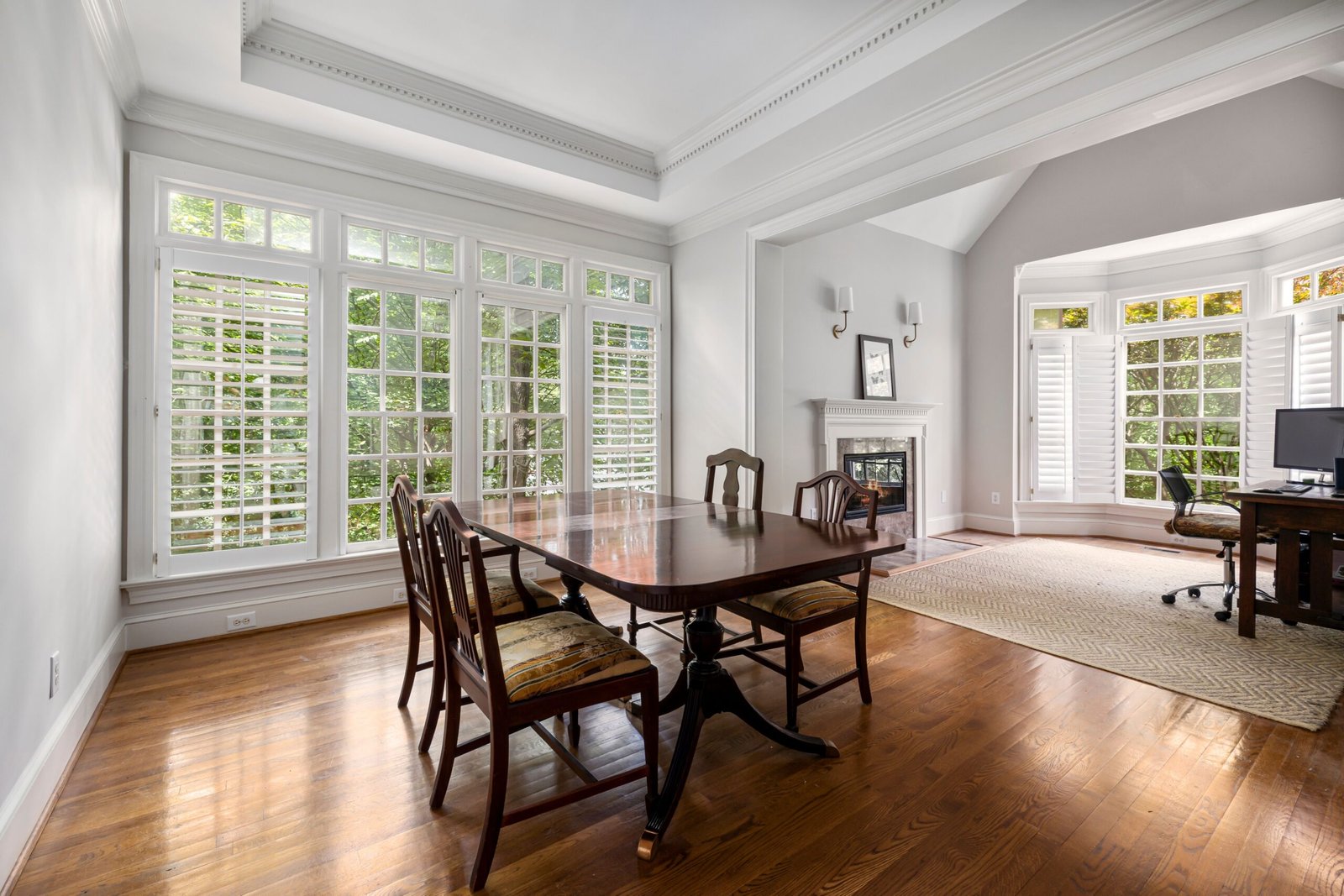
  • Which Companies Supply Internal Shutters in Rotherham, Barnsley and Chesterfield?

    Which Companies Supply Internal Shutters in Rotherham, Barnsley and Chesterfield?

    If you are searching for internal shutter suppliers in Rotherham, Barnsley, or Chesterfield, one thing worth clarifying immediately: internal plantation shutters for homes are a completely different product from commercial roller shutters for industrial doors and security applications. Several companies appear in local search results for “shutters” across South Yorkshire that exclusively supply commercial security products. This guide covers only interior window shutters  the bespoke, louvred window coverings fitted inside residential and commercial properties for privacy, light control, and thermal performance.

    Internal plantation shutters in Rotherham, Barnsley, and Chesterfield are supplied and installed by a mixture of dedicated shutter specialists, multi-product blind and curtain retailers, and national franchise operations. This guide maps that market honestly  including who operates in each town specifically, what distinguishes each supplier model, and what to look for when comparing your options.

    The Internal Shutter Market Across Rotherham, Barnsley and Chesterfield

    The three towns in this article share proximity on the map but have meaningfully different shutter markets. Rotherham sits at the centre of Lafayette Shutters’ home territory  the company is based here and serves the borough as its primary installation area. Barnsley, 12 miles north-west of Rotherham, sits within the coverage area of several South Yorkshire specialists. Chesterfield, 12 miles south of Rotherham into north Derbyshire, is where the South Yorkshire shutter market meets the Derbyshire market  a geographic position that creates both choice and complexity for homeowners trying to identify who genuinely serves the area.

    Understanding who actually serves each town  as opposed to who lists it on a coverage map  is the starting point for a useful comparison.

    Internal Shutter Suppliers in Rotherham

    Lafayette Shutters

    Lafayette Shutters is headquartered in Rotherham. Not based nearby, not covering Rotherham as part of a wider territory, but based in Rotherham with the full operation  enquiries, surveys, order management, installation coordination, and aftercare  run from a single Rotherham base. This makes Lafayette the only dedicated internal plantation shutter specialist with genuine local headquarters in the town.

    The practical implications of local headquarters matter more for plantation shutters than for most home improvement products. Survey appointments in Rotherham are typically available within a few days of enquiry because no long-distance scheduling is required. Installation day coordination is straightforward because the installer and the office team are the same operation. Post-installation queries are handled by people with direct knowledge of your order and your property.

    Lafayette offers Paulownia hardwood with ABS coating, European UPVC composite, UK UPVC, and basswood across all shutter styles  full height, café style, tier-on-tier, bay window, tracked, shaped, and solid panel. Every supply-and-install order in Rotherham begins with a free home survey  no charge and no obligation. Supply-only orders are available nationwide across Great Britain for Rotherham homeowners who prefer to handle installation themselves.

    Shuttercraft South Yorkshire

    Shuttercraft South Yorkshire is the Doncaster franchise of the Shuttercraft national brand  described on their own site as “South Yorkshire’s award-winning shutter experts.” They cover Rotherham as part of their South Yorkshire territory alongside Barnsley, Doncaster, and surrounding areas. As a national franchise operation, Shuttercraft provides consistent brand standards and a comprehensive product range across its network. The Doncaster base means Rotherham falls within a reasonable travel distance for surveys and installation.

    Shutters by Ian

    Shutters by Ian is a Sheffield-based sole trader with listed coverage extending across Rotherham, Barnsley, Chesterfield, Doncaster, and Huddersfield. A well-regarded independent specialist whose direct, single-person model means the same individual handles measuring, advising, and installation  which many homeowners find preferable to the multi-person handoff involved in larger organisations. Reviews across the installer’s platforms consistently highlight the personal service quality.

    Charltons Curtains and Blinds

    Charltons operates multiple Yorkshire branches including in Barnsley, which positions them to serve Rotherham as part of their South Yorkshire reach. A multi-product retailer offering curtains, blinds, and shutters, Charltons provides a wide product portfolio alongside their shutter range and serves customers who want to compare shutters with other window covering options in a single appointment.

    Martins Blinds and Shutters

    Martins Blinds covers Rotherham, Barnsley, Sheffield, Doncaster, and extending into Leeds, Pontefract, and Wakefield. A multi-product blind and shutter retailer with South Yorkshire as a core coverage area.

    Internal Shutter Suppliers in Barnsley

    Lafayette Shutters

    Barnsley falls within Lafayette’s core installation territory. With the Lafayette base in Rotherham 12 miles to the east, survey and installation appointments in Barnsley are available on the same scheduling basis as Rotherham itself. Lafayette installs across Barnsley town and surrounding communities including Hoyland, Penistone, Wombwell, Cudworth, Royston, and Darfield.

    Barnsley’s housing stock presents some specific installation considerations worth noting. The town’s older residential areas  including stone-built terrace streets in communities to the north and east, common in areas connected to the region’s former mining industry  include properties with deep stone window reveals that require professional in-person measurement to achieve a precise, draught-minimising fit. Lafayette’s free home survey in Barnsley accounts for these reveal characteristics in the measurement process.

    For Barnsley’s newer estates and the growing residential development along the M1 corridor, uPVC casement windows are standard, and the composite or uPVC specification is preferred over solid timber to avoid differential thermal expansion between the shutter panel and the window frame. The full range of composite and hardwood options is available across Barnsley.

    Shuttercraft South Yorkshire

    Shuttercraft South Yorkshire explicitly lists Barnsley on their coverage area  Barnsley, Bentley, Royston, Bradgate, and surrounding areas all appear on their location documentation. As Barnsley’s largest town and the northernmost of the three towns in this article, it is one of the areas where Shuttercraft’s Doncaster franchise base involves a moderate travel distance.

    Charltons Curtains and Blinds (Barnsley Branch)

    Charltons has a Barnsley branch, which gives them a genuine local retail presence in the town. Their shutter offering is part of a broader window covering range, which suits homeowners who want to compare blinds, curtains, and shutters in one appointment rather than consulting a shutter-only specialist.

    Visionary Blinds

    Visionary Blinds is Sheffield-based and covers Sheffield, Rotherham, and South Yorkshire including Barnsley. A multi-product blind and shutter retailer with free installation included in quoted prices across the coverage area.

    Martins Blinds and Shutters

    Martins Blinds covers Barnsley as part of their South Yorkshire territory.

    Internal Shutter Suppliers in Chesterfield

    Chesterfield sits at a geographic junction between the South Yorkshire market (Rotherham-based suppliers travelling south) and the Derbyshire market (Derby-based suppliers travelling north). For Chesterfield homeowners, this geography is worth understanding because it determines which suppliers genuinely serve the town as core territory versus those who list it as coverage while primarily serving a different area.

    Lafayette Shutters

    Chesterfield is within Lafayette’s installation coverage as part of its north Derbyshire territory. The company’s Rotherham base is approximately 12 miles north of Chesterfield town centre, making the journey comparable to a Rotherham or Barnsley installation appointment from the same base. Lafayette installs across Chesterfield and surrounding north Derbyshire towns  Brampton, Hasland, Brimington, Staveley, Whittington Moor, Newbold, Calow, Walton, Clay Cross, Dronfield, and Eckington  as part of its core service area.

    For Chesterfield’s significant stock of Victorian and Edwardian terraced properties across the town’s older residential streets, the same housing context applies as in Rotherham and Sheffield. Full height and café style internal plantation shutters are the most commonly specified styles for Chesterfield terrace front rooms, with Paulownia hardwood the recommended material for dry living spaces and European UPVC for bathrooms and kitchens.

    Shuttercraft Derbyshire

    The Shuttercraft franchise network has a Derbyshire operation that covers Chesterfield as part of its county territory. Shuttercraft’s product range and service model are consistent across the national network.

    Hello Shutters (Derby-based)

    Hello Shutters is a Derby-based independent specialist with coverage extending to Chesterfield and north Derbyshire. Their primary territory is Derby city and south Derbyshire, with Chesterfield sitting toward the northern edge of their coverage area.

    Shutter Envy

    Shutter Envy is based in Melton Mowbray and travels into Derbyshire for surveys and installations. Their published coverage acknowledges that travel time determines how far into the county they will go  Chesterfield, being in the north of the county, sits at a meaningful distance from their base.

    Shutters by Ian

    Shutters by Ian lists Chesterfield among their coverage locations alongside Rotherham, Barnsley, Sheffield, Doncaster, and Huddersfield.

    What to Look for When Choosing an Internal Shutter Supplier in This Area

    The supplier list above gives you the options. The checklist below gives you the framework to compare them effectively before committing to a survey appointment.

    Do They Survey Your Home in Person Before Quoting?

    This is non-negotiable for a supply-and-install order. Rotherham’s Victorian terraces, Barnsley’s stone-built properties, and Chesterfield’s Edwardian housing all present window reveals that can be out of square, tapering, or irregular in ways that no homeowner measuring guide reliably captures. A supplier who asks you to provide your own measurements for a professionally installed shutter order is transferring the measurement risk to you. Always confirm that the survey is conducted in person by the supplier’s own specialist, not by a subcontracted third party.

    What Specific Material Are They Using?

    “Hardwood” and “composite” are not specific enough to compare products meaningfully across suppliers. Ask for the specific material name  Paulownia, basswood, Douglas Fir, ABS composite, UPVC, MDF composite  and what the coating or finish involves. Suppliers who can answer this question clearly are more likely to be recommending the right product for your rooms. Suppliers who cannot be specific about what their shutters are made from are worth approaching with caution.

    Is Their Coverage Genuine for Your Specific Town?

    For Chesterfield specifically, it is worth confirming with any south Derbyshire-based supplier how frequently they install in north Derbyshire, and what the scheduling implications are for survey and installation appointments. A supplier whose primary territory is Derby city, 30 miles to the south, may carry less local knowledge of Chesterfield’s housing stock and may involve longer waits for appointments than a Rotherham-based supplier operating 12 miles north of the town.

    Do They Carry Public Liability Insurance?

    Any tradesperson working in your home should carry public liability insurance as standard. Ask for confirmation before your survey appointment is confirmed.

    What Does the Written Warranty Cover?

    The scope of the warranty matters as much as the duration. Confirm whether fitting-related issues are covered alongside manufacturing defects, what the process is for raising a warranty claim, and who the contact point is  the same local team who installed your shutters, or a central customer service function.

    Are Reviews Verifiable and From Local Customers?

    Check platforms including Checkatrade and TrustATrader for reviews specifically mentioning Rotherham, Barnsley, or Chesterfield installations. Reviews that reference the measuring process and post-installation experience are more informative than general satisfaction ratings.

    Housing Stock Across Rotherham, Barnsley and Chesterfield: Why It Affects Your Choice

    The three towns in this article have broadly similar housing stock profiles  dominated by Victorian and Edwardian terraced and semi-detached properties  but with local variations that affect which shutter supplier has the most relevant installation experience.

    Rotherham is characterised by Victorian and Edwardian terrace streets across Kimberworth, Maltby, Masbrough, and the borough’s older residential areas, alongside significant interwar housing in Rawmarsh and Swinton, and newer development in Waverley and Catcliffe. The bay-fronted Victorian semi  common across Clifton and Moorgate  is one of the most frequently requested shutter installations in the borough.

    Barnsley includes stone-built Victorian terrace streets in former mining communities  a characteristic of the northern and eastern parts of the borough  alongside the red brick and render semi-detached housing common across the town centre suburbs. Stone-built properties require deeper experience of irregular and deep reveals than standard brick or rendered housing. According to ONS house price data for Barnsley, the average house price reached £174,000 in February 2026, with the semi-detached category showing the strongest growth at 4.8% year-on-year  reinforcing the investment case for quality home improvements in a rising market.

    Chesterfield combines Victorian terrace streets in the town’s established residential areas with more dispersed suburban development and, on its western side, properties that begin to take on the stone-built character of the Peak District fringe. Chesterfield’s housing stock also includes a notable proportion of interwar semi-detached properties across areas like Brampton and Hasland  the dominant housing type across large sections of the town  alongside recent new-build development.

    Supply-Only Internal Shutters Across Rotherham, Barnsley and Chesterfield

    For homeowners in any of these three towns who prefer to handle installation themselves, supply-only internal shutters from Lafayette ship nationwide across Great Britain at 30 to 50% less than the supply-and-install equivalent. Full measuring instructions and installation guidance are included with every supply-only order.

    Supply-only is most appropriate for standard rectangular windows in modern housing across all three towns’ newer estate areas. For Victorian bay windows, stone-reveal properties in Barnsley, or Chesterfield’s period properties where uneven reveals require professional measurement to achieve a precise fit, supply-and-install with professional measurement is the recommended route. The Lafayette FAQ covers the supply-only vs supply-and-install decision in detail.

    Costs for Internal Shutters Across These Three Towns

    Pricing for internal shutters in Rotherham, Barnsley, and Chesterfield is consistent  all three towns fall within the same South Yorkshire and north Derbyshire installation territory from the Lafayette Rotherham base, so there is no travel premium or differential in pricing across the three locations.

    Window TypeSupply-Only (Approx.)Supply and Install (Approx.)
    Small bedroom window (60cm x 100cm)£200 to £320£350 to £550
    Standard living room window (100cm x 120cm)£320 to £520£550 to £800
    Bathroom window, uPVC (60cm x 80cm)£170 to £280£300 to £480
    Victorian bay window (3 section)£750 to £1,200£1,100 to £1,900

    For an instant estimate based on your specific windows, use the Lafayette online quote tool. For a full written quote covering every window in your home, arrange a free home survey  available across all three towns with no charge and no obligation.

    Frequently Asked Questions About Internal Shutters in Rotherham, Barnsley and Chesterfield

    Who supplies internal shutters in Rotherham?

    Lafayette Shutters is the only dedicated internal plantation shutter specialist based in Rotherham, operating with its own team for surveys and installation across the borough. Other suppliers covering Rotherham include Shuttercraft South Yorkshire (Doncaster franchise), Shutters by Ian (Sheffield-based sole trader), Charltons Curtains and Blinds (Barnsley branch and wider Yorkshire coverage), and Martins Blinds and Shutters.

    Who supplies internal shutters in Barnsley?

    Internal shutter suppliers covering Barnsley include Lafayette Shutters (Rotherham base, 12 miles east), Shuttercraft South Yorkshire (explicitly covers Barnsley as a core area), Charltons Curtains and Blinds (Barnsley branch), Visionary Blinds (Sheffield-based, covers South Yorkshire), and Martins Blinds and Shutters. A free home survey from Lafayette is available across Barnsley and surrounding communities.

    Who supplies internal shutters in Chesterfield?

    Internal shutter suppliers covering Chesterfield include Lafayette Shutters (Rotherham base, 12 miles north  core north Derbyshire territory), Shuttercraft Derbyshire, Hello Shutters (Derby-based, covers north Derbyshire), Shutters by Ian (listed coverage includes Chesterfield), and Shutter Envy (Melton Mowbray-based, travels into Derbyshire). For north Derbyshire and Chesterfield specifically, Lafayette is the closest specialist with a full survey-to-installation service.

    How do internal shutters differ from external roller shutters?

    Internal plantation shutters are fitted inside the home, directly to the window reveal, and are used for light control, privacy, thermal improvement, and aesthetics. External roller shutters are fitted outside the building and are primarily a security or commercial access product. Several companies appearing in local search results for “shutters” in Rotherham, Barnsley, and Chesterfield supply only external commercial roller shutters  these are completely different products. Lafayette Shutters supplies internal window shutters only.

    Does Lafayette Shutters cover all three towns?

    Yes. Lafayette Shutters installs across Rotherham, Barnsley, and Chesterfield as part of its core service area, operating from its Rotherham base. All three towns are within the same installation territory and pricing framework  no travel premium applies for any of the three locations.

    What shutter styles are available in Rotherham, Barnsley and Chesterfield?

    Lafayette installs full height, café style, tier-on-tier, bay window, tracked, shaped, and solid panel shutters across all three towns. Materials available include Paulownia hardwood with ABS coating, European UPVC composite, UK UPVC, and basswood. Every fitted order starts with a free home survey where the specialist recommends the right style and material for each specific window based on its room type, position, and housing stock context.

    Ready to Get Internal Shutters in Rotherham, Barnsley or Chesterfield?

    Lafayette Shutters installs bespoke internal plantation shutters across Rotherham, Barnsley, Chesterfield, Sheffield, Doncaster, Huddersfield, and the wider Yorkshire and Derbyshire region. Every fitted order begins with a free home survey  a specialist visits your property, measures every window, shows you material samples in person, and provides a written no-obligation quote.

    Call 0114 698 6245, email info@lafayette-shutters.co.uk, or use the online quote tool for an instant price estimate.
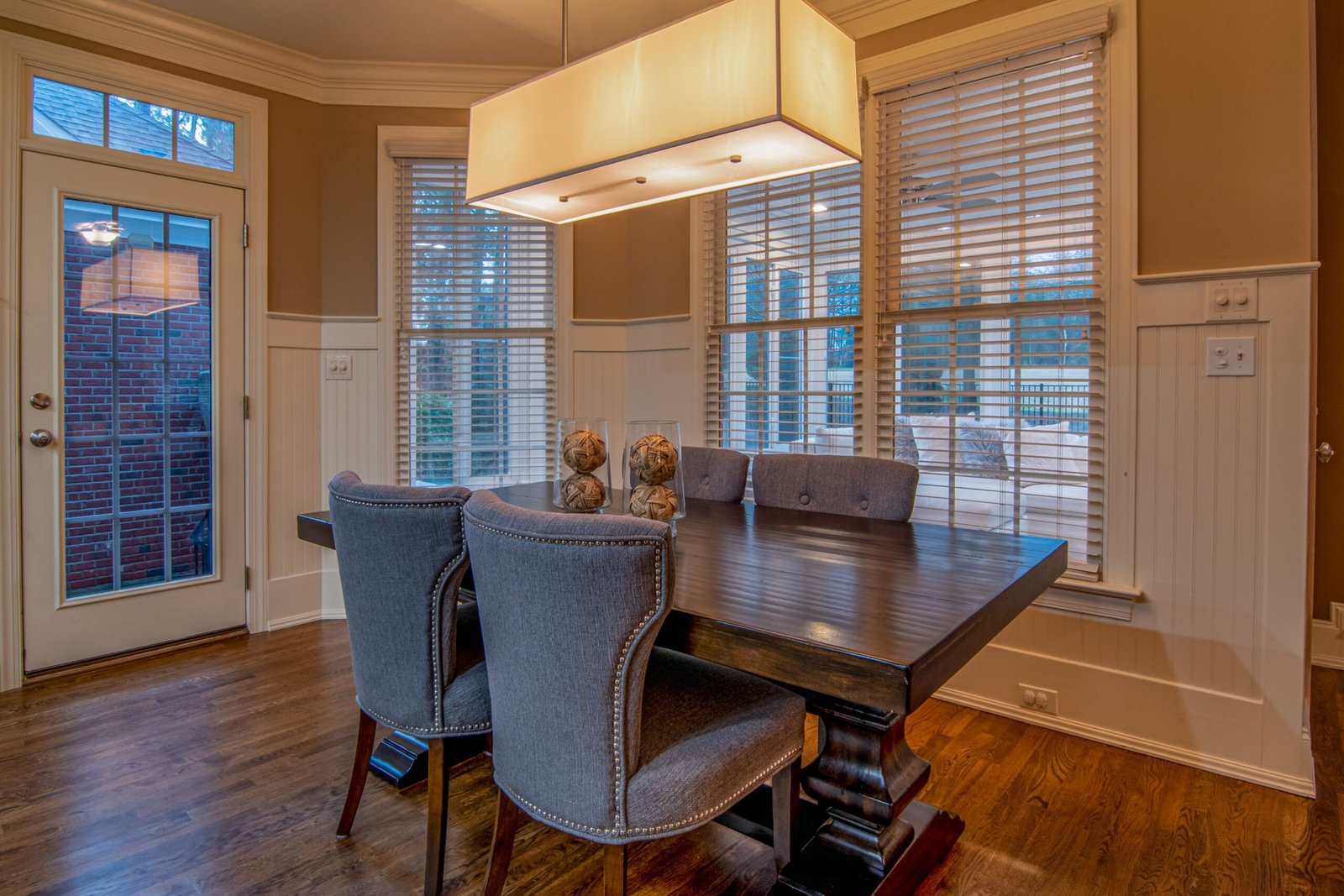
  • How Do Internal uPVC, Composite and Hardwood Shutters Compare in South Yorkshire?

    How Do Internal uPVC, Composite and Hardwood Shutters Compare in South Yorkshire?

    Choosing between uPVC, composite and hardwood internal shutters is the material decision that most South Yorkshire homeowners get wrong  not because they lack information, but because the information available online is rarely applied to the specific housing stock, climate, and window types that define this region. What suits a modern detached property in Doncaster’s commuter belt performs differently in a Victorian stone terrace in Barnsley or a bay-fronted Edwardian semi in Sheffield’s Crookes. This guide compares the three main internal shutter materials honestly and specifically, with South Yorkshire’s housing context at the centre of every recommendation.

    Lafayette Shutters is based in Rotherham and installs across the full South Yorkshire region  Sheffield, Rotherham, Barnsley, Doncaster, and Huddersfield  as its core territory. The comparisons and recommendations in this guide reflect genuine installation experience across South Yorkshire’s diverse property stock, not generic UK-wide content applied to a local search term.

    Why Material Choice Matters More in South Yorkshire Than in Many Other Regions

    South Yorkshire’s housing stock creates specific material challenges that are worth understanding before comparing products.

    The region is dominated by Victorian and Edwardian terraces and semi-detached properties  concentrated across Sheffield’s inner suburbs, Rotherham’s historic borough streets, Barnsley’s former mining communities, and Doncaster’s older residential areas. These properties share characteristics that directly affect shutter material performance: solid brick or stone walls with limited insulation, original timber window frames that have settled and shifted over decades, rooms that experience significant temperature variation between seasons, and in Yorkshire’s older terrace streets specifically, above-average rates of damp.

    Government data from the Ministry of Housing, Communities and Local Government’s Local Authority Housing Stock Condition Modelling 2024 found that terraced homes in Yorkshire and the Humber show the highest rates of damp of any region in England. For South Yorkshire homeowners, this context reinforces why moisture resistance matters in material choice  not just for obvious wet rooms like bathrooms, but for any room in an older property where damp ingress through walls or condensation on cold window frames is a realistic condition.

    The region’s newer housing stock  new-build developments across Waverley, Catcliffe, Bessacarr, and Doncaster’s expanding eastern corridors  presents a different challenge. These properties typically have uPVC double-glazed casements rather than timber frames, which affects which shutter frame configuration suits the window and whether certain solid timber materials risk binding against the window frame due to differential thermal expansion.

    Understanding these two distinct South Yorkshire contexts  older period housing versus modern new builds  is the foundation for a useful material comparison.

    The Three Main Internal Shutter Materials Compared

    uPVC Internal Shutters

    uPVC (Unplasticised Polyvinyl Chloride) is a fully synthetic, non-porous material. It contains no wood component, which means moisture cannot penetrate it regardless of the humidity level of the room or the frequency of exposure. uPVC internal shutters are completely waterproof  they will not warp, swell, delaminate, or develop mould on their surface under normal domestic conditions in any room type.

    For South Yorkshire homeowners, uPVC is the definitive specification for bathroom and en-suite windows, kitchen windows with active cooking, utility rooms, and any room in the region’s older housing stock where damp or condensation is a known issue. The material’s non-porous construction makes it immune to the moisture conditions that cause MDF composite and standard hardwood to fail over time in these environments.

    Shutterworld UK’s 2026 guidance confirms an important practical point for South Yorkshire’s significant new-build housing stock: when fitting shutters on uPVC window frames specifically, choosing composite or uPVC shutters reduces the risk of binding or warping that can occur when solid timber panels expand and contract at a different rate to a uPVC frame. For Waverley, Catcliffe, and Doncaster new-build properties with uPVC casement windows, this is a meaningful specification consideration rather than a minor footnote.

    Lafayette’s European UPVC range ships in 3 to 4 weeks from confirmed order  the fastest lead time in the range  and is available in white, the most popular shutter colour across South Yorkshire. A 10-year warranty covers normal domestic use. Supply-and-fit pricing for uPVC internal shutters in South Yorkshire runs from approximately £150 to £230 per square metre according to current UK market data from Shutters Factory’s 2026 FAQ  toward the lower to mid-range of the three material categories.

    Where uPVC internal shutters work best in South Yorkshire:

    • Bathrooms and en-suites across Sheffield, Rotherham, Barnsley, and Doncaster
    • Kitchens with regular cooking activity
    • Utility rooms and downstairs cloakrooms
    • Any room in older period properties where damp or condensation is a recognised issue
    • New-build properties with uPVC window frames, where differential thermal expansion between timber shutters and uPVC windows is a risk

    Where uPVC internal shutters are not the first choice:

    • Living rooms and bedrooms in period properties where aesthetic warmth and the character of natural wood are priorities
    • Large window panels over 3 metres in height, where uPVC’s weight relative to equivalent hardwood panels places greater strain on hinges over time
    • Rooms requiring re-painting in a colour other than white, since standard uPVC cannot be successfully repainted once installed

    Composite Internal Shutters

    Composite is the most frequently misunderstood category in the South Yorkshire shutter market, because the term covers materials with meaningfully different properties. For the purposes of this comparison, composite refers to two specific types used across South Yorkshire installations: engineered wood MDF composite (MDF core with polymer coating) and ABS composite (Acrylonitrile Butadiene Styrene).

    MDF composite shutters are the most widely sold internal shutter type globally and represent the most cost-effective entry point into bespoke made-to-measure shutters. The engineered wood core accepts a high-quality painted finish and produces a dense, substantial feel that many homeowners prefer over lighter synthetic alternatives. Supply-and-fit pricing for MDF composite typically runs toward the lower end of the composite range.

    The critical limitation of MDF composite for South Yorkshire specifically is moisture. MDF is an engineered wood product  it will absorb moisture through hinge fixings, louvre pivot points, and any micro-gap in the polymer coating over time. In Yorkshire’s older terrace housing where above-average damp rates compound the risk, MDF composite should be limited strictly to dry living rooms and bedrooms with no humidity concern. It should not be used in bathrooms, kitchens, utility rooms, or any room in an older period property where damp or condensation is a realistic seasonal condition.

    ABS composite occupies a more capable mid-market position. ABS is a robust, dimensionally stable synthetic polymer with genuine moisture tolerance  not the full waterproofing of uPVC, but significantly better performance than MDF in moderate-humidity environments. ABS composite shutters resist the UV yellowing that affects cheaper PVC products over time, accept a wider range of paint finishes than standard uPVC, and can be re-painted if the colour needs updating  something standard UPVC cannot accommodate. Premium composite shutters achieve a convincingly authentic wood-like appearance through advanced manufacturing techniques that most viewers find indistinguishable from painted hardwood in a furnished room.

    Shuttercraft’s independent 2026 comparison confirms that composite shutters offer excellent durability particularly in high-traffic environments, while hardwood offers the lightweight strength advantage that matters for larger windows. This distinction maps directly onto South Yorkshire’s housing stock: for standard bedroom and living room windows in Victorian terraces, composite performs reliably; for the wider bay windows and full-height configurations common in period properties, hardwood’s lower weight relative to composite pays dividends over the product’s lifespan.

    Where composite internal shutters work best in South Yorkshire:

    • Standard-sized living rooms and bedrooms across Sheffield, Rotherham, Barnsley, and Doncaster where cost efficiency is a priority
    • Rooms where the smooth painted finish of composite is preferred over the grain of natural wood
    • Properties furnishing multiple rooms at once, where composite’s lower price point enables a full-house order within a tighter budget
    • Moderate-humidity kitchens and utility rooms where ABS composite’s better moisture tolerance suits the environment

    Where composite internal shutters are not the first choice:

    • Bathrooms and wet rooms, where uPVC’s full waterproofing is the correct specification
    • Large windows or bay openings, where hardwood’s lighter weight reduces long-term stress on hinges and frame joints
    • Period properties in Sheffield or Rotherham where the natural warmth and insulating properties of real wood are priorities
    • Rooms exposed to sustained south-facing sun, where ABS performs better than standard PVC but premium hardwood with UV-stable coating remains the most robust long-term choice

    Hardwood Internal Shutters

    Hardwood internal shutters represent the premium specification in the South Yorkshire market and the material category where the investment-to-outcome ratio is clearest for homeowners planning to stay in a property for many years.

    Lafayette’s flagship hardwood is Paulownia with ABS coating  a fast-growing, lightweight, dimensionally stable timber finished with an ABS polymer surface that provides moisture resistance without compromising the insulating properties of the wood beneath. Paulownia is significantly lighter than both MDF composite and uPVC panels of equivalent size, which matters substantially for two reasons specific to South Yorkshire’s housing stock.

    First, the lighter weight places less ongoing strain on hinges and frame joints throughout the product’s lifespan. A hardwood shutter panel opening and closing thousands of times over fifteen years exerts less cumulative stress on its hardware than an equivalent composite panel  which is one of the primary reasons hardwood shutters consistently outperform composite on longevity when used in appropriate dry-room applications. Second, for South Yorkshire’s many bay-fronted Victorian properties  common across Sheffield’s Crookes, Nether Edge, and Broomhill; Rotherham’s Clifton and Moorgate; Barnsley’s older residential streets  lighter panels are structurally preferable across the wide multi-section spans that a bay window installation creates.

    The Shutter Studio’s 2026 independent comparison confirms that wooden shutters remain the more effective insulator than PVC alternatives. This thermal advantage is directly relevant to South Yorkshire. Historic Scotland’s Technical Paper 1, produced by Dr Paul Baker at Glasgow Caledonian University, demonstrated that timber shutters reduce heat loss through single-glazed windows by up to 51% compared to 14% for heavy curtains  and South Yorkshire’s Victorian and Edwardian housing stock has a substantial proportion of properties with single glazing or early double glazing where this thermal advantage is most pronounced.

    Hardwood shutters are available in stained finishes showing the natural grain  an option that composite and uPVC cannot offer  as well as the full painted colour range. For period properties in Sheffield’s conservation areas, Rotherham’s historic streets, or the Peak District fringe villages of north Derbyshire, a natural stain finish on Paulownia hardwood complements the architectural character of the property in a way that a painted synthetic surface cannot replicate.

    Supply-and-fit pricing for hardwood internal shutters in South Yorkshire runs from approximately £220 to £320 per square metre according to Shutters Factory’s 2026 UK FAQ  toward the upper end of the three material categories, reflecting the premium timber and the longer manufacturing lead time of 10 to 12 weeks from confirmed order.

    Where hardwood internal shutters work best in South Yorkshire:

    • Living rooms and bedrooms in period properties across Sheffield, Rotherham, Barnsley, and Doncaster where aesthetic quality and insulation are equal priorities
    • Large windows and bay openings, where the lighter weight of Paulownia hardwood compared to composite reduces long-term hinge stress
    • Properties with single or early double glazing, where the greater thermal performance of hardwood over composite or uPVC maximises the heat-retention benefit
    • Rooms receiving a natural stain finish, where the wood grain aesthetic is a design priority
    • Long-term investments in properties where the homeowner plans to remain for many years and the 10 to 12 week lead time is a practical trade-off for superior longevity

    Where hardwood internal shutters are not the first choice:

    • Bathrooms and wet rooms, where uPVC is the correct specification regardless of budget
    • Projects requiring the fastest lead time, where uPVC’s 3 to 4 week European range is a practical necessity
    • Budget-constrained whole-house projects where composite’s lower price point enables full coverage that hardwood’s cost does not
    FactoruPVC Internal ShuttersComposite (MDF/ABS) Internal ShuttersHardwood (Paulownia ABS) Internal Shutters
    Moisture resistanceExcellent  fully waterproofMDF limited; ABS moderateGood with ABS coating
    WeightModerate to heavyHeavy (MDF); moderate (ABS)Lightest  best for large windows
    Thermal insulationModerateModerateBest  wood is a natural insulator
    Best room applicationsBathrooms, kitchens, damp roomsLiving rooms, bedrooms (MDF/ABS); moderate-humidity kitchens (ABS)Living rooms, bedrooms, hallways, large windows
    Aesthetic optionsWhite; no grain or stainPainted colours; no grain optionPainted colours and natural stain finishes
    Re-paintabilityNo  uPVC cannot be repaintedYes (MDF and ABS)Yes
    Suitability for uPVC framesExcellent  no differential expansion riskGoodCaution  differential expansion risk
    South Yorkshire new-build suitabilityExcellentGoodUse with care on uPVC-framed windows
    South Yorkshire period property suitabilityGood (wet rooms); fair (dry rooms)Good (dry rooms only)Excellent
    Supply-and-fit price per sqm£150 to £230£150 to £230 (MDF lower end; ABS upper end)£220 to £320
    Lead time (Lafayette)3 to 4 weeks (European range)Varies by product10 to 12 weeks
    Warranty (Lafayette)10 yearsVaries10 years (Paulownia ABS)
    Lifespan in correct application15+ years10 to 15 years15 to 20+ years
    Natural grain finish availableNoNoYes  in stain options

    Full Comparison Table: uPVC vs Composite vs Hardwood in South Yorkshire

    Which Material Suits Which South Yorkshire Property?

    Translating the material comparison into a practical recommendation for specific South Yorkshire property types:

    Victorian and Edwardian Terraces (Sheffield, Rotherham, Barnsley, Doncaster)

    For the front living room and bedroom windows: Paulownia hardwood with ABS coating. The lighter weight handles the full-height and bay window configurations common in these properties better than composite, the insulation advantage is most pronounced on the single or early double-glazed windows many of these properties retain, and the aesthetic quality suits the character of the architecture.

    For bathrooms and kitchens in the same properties: uPVC composite. These rooms in Yorkshire’s older terrace stock face the highest moisture and damp risk in the region, and uPVC’s full waterproofing is non-negotiable. For quick installation  particularly if the bathroom renovation is underway and a window covering is needed promptly  Lafayette’s European UPVC range at 3 to 4 weeks is the most practical route.

    Interwar Semi-Detached Properties (Across South Yorkshire)

    Interwar semis across Rotherham, Doncaster, and Barnsley typically have more generous room proportions than terraces, larger windows, and somewhat better thermal fabric than Victorian stock. For these properties, ABS composite is a strong mid-market choice for living rooms and bedrooms  more moisture-tolerant than MDF, available in a wider colour range than standard uPVC, and at a lower price point than hardwood for homeowners furnishing multiple rooms. Hardwood remains the premium choice for any window over 2 metres in height or any bay window opening.

    New-Build Developments (Waverley, Catcliffe, Bessacarr, Doncaster Corridors)

    For new-build properties with uPVC casement windows: composite or uPVC shutters are specifically recommended over solid timber, since differential thermal expansion between a timber shutter panel and a uPVC window frame can cause binding or warping over time. uPVC shutters for bathrooms and kitchens. ABS composite for living rooms and bedrooms. For new-build patio doors and bi-fold openings  increasingly common in Waverley’s open-plan kitchen-diner layouts  tracked shutters in composite are available through Lafayette’s supply and install service.

    Stone-Built Properties (North Derbyshire and South Yorkshire Villages)

    For stone cottages, former farmhouses, and village properties on the South Yorkshire and Derbyshire border: Paulownia hardwood in natural stain finishes is the most appropriate specification both aesthetically and practically. Deep, irregular stone reveals require professional in-person measurement  a free home survey rather than supply-only  to ensure the shutter frame seats correctly against the stonework and achieves the tight reveal fit that makes the thermal and privacy benefits real.

    Cost Guide: Internal Shutters in South Yorkshire by Material

    Current 2026 pricing data for South Yorkshire, based on independent UK market sources and Lafayette’s own range:

    Window TypeuPVC (Supply and Fit)Composite (Supply and Fit)Hardwood (Supply and Fit)
    Small bedroom/bathroom (60 x 100cm)£300 to £480£320 to £520£380 to £580
    Standard living room (100 x 120cm)£450 to £700£500 to £800£580 to £900
    Bathroom window (60 x 80cm)£280 to £460Not recommended (MDF); £300 to £480 (ABS)Not recommended
    Victorian bay window (3 section)£900 to £1,600£1,000 to £1,800£1,200 to £2,200

    For supply-only orders across South Yorkshire  where the homeowner handles fitting  pricing is typically 30 to 50% lower across all three material categories. The Lafayette online quote tool delivers an instant estimate based on your specific window dimensions for any material type.

    How to Order Internal Shutters in South Yorkshire

    Lafayette Shutters installs uPVC, composite, and hardwood internal shutters across Sheffield, Rotherham, Barnsley, Doncaster, Huddersfield, and north Derbyshire. Every fitted order begins with a free home survey  a specialist visits your South Yorkshire property, assesses each window individually, confirms the right material for each room, shows you physical samples, and provides a written no-obligation quote.

    For homeowners outside the core installation area, supply-only orders ship nationwide across Great Britain with full measuring instructions. The Lafayette FAQ covers every material, style, and specification question in detail, or the team can be reached directly at the contact page.

    Frequently Asked Questions About Internal Shutters in South Yorkshire

    Which internal shutter material is best for South Yorkshire homes?

    There is no single best material for all South Yorkshire homes  the right choice depends on the specific room, the property type, and your priorities. For Victorian and Edwardian period properties across Sheffield, Rotherham, Barnsley, and Doncaster: Paulownia hardwood with ABS coating for living rooms and bedrooms, uPVC composite for bathrooms and kitchens. For new-build properties with uPVC window frames: composite or uPVC shutters for all rooms, avoiding solid timber due to differential thermal expansion risk. For a specific recommendation based on your property, the free home survey is the right starting point.

    What is the difference between uPVC and composite internal shutters?

    uPVC (Unplasticised Polyvinyl Chloride) is a specific fully synthetic polymer  fully waterproof and non-porous. Composite is a broader term covering several distinct materials, including MDF with polymer coating (not waterproof), ABS composite (moisture-tolerant), and uPVC itself. Confusingly, uPVC is technically a type of composite shutter in the broad sense  but in practice, when South Yorkshire suppliers use “composite” and “uPVC” as separate categories, they typically mean MDF or ABS composite versus pure uPVC. Always ask a supplier to name the specific material rather than accepting either label as sufficient.

    Are hardwood shutters better than composite in South Yorkshire?

    For period properties in South Yorkshire, hardwood Paulownia with ABS coating outperforms standard composite on thermal insulation, lifespan, large-window suitability, and the aesthetic warmth of natural wood. For bathrooms and kitchens in the same properties, uPVC is the correct specification regardless of budget. For modern new-build properties with uPVC window frames, composite shutters are the safer material choice over solid timber due to differential expansion behaviour. The best material is the right material for the specific room and window  not a single universal answer.

    How much do internal shutters cost in South Yorkshire?

    Supply-and-fit pricing in South Yorkshire ranges from approximately £280 to £480 for a small bathroom window in uPVC, to £500 to £800 for a standard living room window in composite, to £580 to £900 for the same window in Paulownia hardwood. Victorian bay windows run from £900 to £2,200 depending on material and configuration. Supply-only pricing is typically 30 to 50% lower across all materials. Use the Lafayette online quote tool for an instant estimate based on your specific windows.

    How long do internal shutters last in South Yorkshire?

    In correct applications: uPVC composite typically lasts 15 years or more. MDF composite typically lasts 10 to 15 years in dry rooms. ABS composite achieves a similar lifespan to uPVC in moderate-humidity applications. Paulownia hardwood with ABS coating can last 15 to 20 years or more. Lifespan is significantly shortened by using the wrong material in the wrong room  particularly MDF composite in bathrooms or any South Yorkshire room where damp is a seasonal issue. Lafayette’s uPVC and Paulownia ABS shutters carry a 10-year warranty; basswood carries five years.

    Can internal shutters be fitted to uPVC windows in South Yorkshire new builds?

    Yes. Plantation shutters are fitted within their own independent frame that sits inside the window reveal, without drilling through the sealed glazing unit. However, the material specification matters for new-build properties: composite or uPVC shutters are specifically recommended over solid timber for windows with uPVC frames, because timber panels and uPVC frames expand and contract at different rates with temperature changes, which can cause binding or warping over time. Composite and uPVC shutters expand at a more compatible rate to uPVC window frames.

    Ready to Choose the Right Internal Shutters for Your South Yorkshire Home?

    Lafayette Shutters installs bespoke uPVC, composite, and hardwood internal shutters across Sheffield, Rotherham, Barnsley, Doncaster, Huddersfield, Chesterfield, and wider Yorkshire and Derbyshire. Every fitted order starts with a free home survey  a specialist assesses every window, recommends the right material for each room, and provides a written no-obligation quote.

    Call 0114 698 6245, email info@lafayette-shutters.co.uk, or use the online quote tool for an instant price estimate across all three material types.

  • Where Can I Buy Composite Internal Shutters? Find the Right Shutters for Your Home

    Where Can I Buy Composite Internal Shutters? Find the Right Shutters for Your Home

    The question “where can I buy composite internal shutters?” arrives at a useful point in the buyer journey  you have already identified the product category, you know you want composite rather than standard hardwood, and you are now trying to understand where to source them and which specific type of composite best suits your home.

    This guide answers all three parts of that question directly: what composite internal shutters actually are, which type suits which rooms, and how to buy them  whether online on a supply-only basis or through a specialist installer with a free in-home survey.

    Lafayette Shutters suppliescomposite internal shutters across Yorkshire and Derbyshire on a supply-and-install basis, and nationwide across Great Britain on a supply-only basis. If you are in the research stage,

    the material and supplier comparison below gives you what you need to make an informed choice regardless of which route you ultimately take.

    What Are Composite Internal Shutters?

    Composite internal shutters are window shutters made from materials that combine more than one component  typically a base material bonded with a protective coating, polymer layer, or synthetic core.

    word “composite” is used inconsistently across the UK market, which is the main source of confusion when comparing products and suppliers.

    In practical terms, composite internal shutters in the UK fall into four distinct types. Each has different properties, different room suitability, and different price points. Knowing which type a supplier is actually offering is the most important question to ask before placing any order.

    MDF Composite (Engineered Wood with Polymer Coating)

    Medium-Density Fibreboard with a polymer or painted coating is the most widely sold composite shutter type globally. It is made from wood fibres compressed with resin under high pressure, producing a dense, consistent board that accepts a smooth, high-quality painted finish.

    MDF composite shutters are typically the most affordable composite option, with supply and fit costs averaging around £450 per window for a standard opening according to independent UK cost data from InShutters.

    MDF composite shutters perform well in dry living rooms, bedrooms, and hallways. Their dense construction gives a substantial, satisfying weight that many homeowners prefer over lighter synthetic alternatives. The polymer coating resists chips, bumps, and surface scratches under normal domestic use.

    The critical limitation of MDF composite is moisture. Despite the polymer coating, MDF at its core is an engineered wood product  it will absorb moisture through hinge fixings, louvre pivot points, and any micro-gap in the coating over time. MDF composite shutters should not be used in bathrooms, en-suites, kitchens with active cooking, or any room where humidity regularly exceeds 60%.

    ABS Composite (Acrylonitrile Butadiene Styrene)

    ABS is the polymer used for the outer coating of Lafayette’s flagship Paulownia hardwood range, and it is also available as a full composite shutter material without any wood core. ABS is a robust, dimensionally stable synthetic polymer  the same class of material used in protective equipment and automotive trim  that provides genuine moisture resistance without the limitations of MDF.

    ABS composite shutters are more moisture-tolerant than MDF and more aesthetically versatile than standard UPVC. The material accepts a wider range of paint finishes and resists the UV yellowing that affects cheaper PVC products over time.

    According to Shutterworld UK’s 2026 bespoke shutter guide, modern composite manufacturing has significantly reduced costs, with bespoke composite shutters starting from £150 per square metre for supply-only orders. ABS sits toward the upper end of the composite price range but below premium hardwood, making it a compelling mid-market specification for both dry and moderate-humidity rooms.

    UPVC and PVC Composite (Polyvinyl Chloride)

    UPVC (Unplasticised Polyvinyl Chloride) is the fully waterproof end of the composite spectrum. It contains no wood component at all, making it genuinely non-porous  moisture cannot penetrate it regardless of the humidity level of the room. UPVC is the correct specification for bathrooms, en-suites, kitchens, utility rooms, and any room where direct splash exposure or sustained daily humidity is a normal condition.

    Lafayette’s European UPVC range ships in 3 to 4 weeks  the fastest lead time in the range  and is available in white, the most popular bathroom shutter colour across South Yorkshire. The full uPVC composite range is available through both the supply-and-install and supply-only routes.

    The trade-offs of UPVC relative to ABS and MDF composites are worth understanding. Standard PVC expands and contracts with temperature more noticeably than either alternative, which can affect painted surface adhesion in rooms with significant thermal cycling  conservatories, rooms with direct sustained south-facing sun, or rooms with intermittent underfloor heating.

    Standard UPVC cannot be successfully re-painted once installed. For these reasons, UPVC composite is the definitive choice specifically for wet rooms, while ABS or hardwood alternatives are generally preferable for living rooms and bedrooms even where some moisture tolerance is helpful.

    Paulownia Hardwood with ABS Coating

    Strictly speaking, this is a hardwood product rather than a composite  but it is frequently described as a composite in the UK market because the ABS coating is what delivers the composite-like performance characteristics buyers are seeking.

    The Paulownia core is a fast-growing, lightweight, dimensionally stable hardwood with naturally low thermal conductivity. The ABS outer coating provides moisture resistance and a smooth, consistent painted surface without compromising the insulating properties of the wood beneath.

    Lafayette’s Paulownia ABS-coated range is the strongest overall specification across the full range of living room, bedroom, hallway, and moderate-bathroom applications  combining the aesthetic warmth and thermal performance of real hardwood with the practical benefits of composite surface properties.

    It is the product that most buyers who search for “composite internal shutters” end up choosing once they understand what is actually available, because it delivers the best of both categories rather than compromising between them.

    Composite vs Hardwood Internal Shutters: Which Is Right for Your Home?

    This is the decision most buyers searching for composite internal shutters are ultimately trying to make, and the honest answer requires understanding what each category actually delivers.

    FactorComposite (MDF / ABS / UPVC)Hardwood (Paulownia ABS / Basswood)
    CostLower to moderateModerate to premium
    Moisture resistanceMDF  limited; ABS  good; UPVC  excellentGood with ABS coating
    WeightHeavier (MDF and UPVC) to moderate (ABS)Lighter  better for large panels
    Thermal insulationModerateBetter  wood naturally insulates
    Large window suitabilityLimited above 3 metresExcellent
    Aesthetic warmthSmooth, consistent painted finishNatural wood warmth, grain visible in stain finishes
    Re-paintabilityABS and MDF yes; UPVC noYes
    Lifespan10 to 15 years in correct application15 to 20+ years
    Lead time (Lafayette)3 to 4 weeks (European UPVC)10 to 12 weeks (Paulownia ABS)

    For standard-sized windows in dry living rooms and bedrooms, a good quality MDF composite or ABS composite delivers excellent results at a lower cost than hardwood.

    For larger windows, bay openings, rooms with direct sustained sun, or any application where the shutters will be used for many years in a demanding environment, Paulownia hardwood with ABS coating is consistently the stronger specification.

    The Lafayette FAQ covers material selection by room type in detail, including specific guidance on which windows in Yorkshire’s older housing stock are best served by composite versus hardwood options.

    Where to Buy Composite Internal Shutters in the UK

    Buyers of composite internal shutters have two main routes to market, and understanding the practical difference between them helps you choose the right one for your situation.

    Route 1: Online Supply-Only (Buy and Fit Yourself)

    Supply-only composite internal shutters are manufactured to your window measurements and delivered to your home for you to install yourself. This route is available from several UK online suppliers and typically costs 30 to 50% less than the supply-and-install equivalent.

    Online supply-only is the right route if you are confident measuring accurately (using the three-point method across width and height to account for any out-of-square reveals), comfortable with basic drilling and installation, and dealing with standard rectangular windows without bay angles, arched openings, or non-standard reveals.

    Key things to confirm with any online supply-only supplier before ordering: what specific composite material they use (MDF, ABS, UPVC, or a proprietary blend), what their warranty covers if a fitting issue arises from a manufacturing defect, how they handle reorder if your measurements are accurate but the panel does not fit as expected, and what the actual lead time is rather than the headline figure.

    Lafayette’s supply-only composite shutters ship nationwide across Great Britain with full measuring instructions included. Every supply-only order includes Lafayette’s three-point measuring guide, which accounts for the reveal variations common in Yorkshire’s older housing stock.

    Route 2: Local or Regional Specialist  Supply and Install

    Supply-and-install means a specialist surveys your home in person, takes precise measurements, manages the manufacturing order, and installs the shutters professionally. The in-person survey eliminates the measurement risk that is the primary source of supply-only problems, and the professional installation ensures that hinge alignment, panel clearance, and louvre tension are set correctly from day one.

    For composite internal shutters specifically, supply-and-install is strongly recommended for:

    Bay windows, where each section must be measured individually to the precise angle of the bay. Any window in Yorkshire’s older housing stock where the reveal is likely to be out of square. Bathroom windows, where the stainless steel hardware specification must be confirmed and any gap between the shutter frame and tiled surround must be addressed precisely to prevent moisture accumulation behind the panel. Large windows, where the weight of composite panels on larger spans requires specific hinge and frame configurations.

    Lafayette Shutters provides supply and install services across Sheffield, Rotherham, Barnsley, Doncaster, Huddersfield, Chesterfield, and the wider Yorkshire and Derbyshire region. Every fitted order begins with a free home survey no charge, no obligation.

    Route 3: National Retailers With Local Installation Networks

    Several national shutter brands  Hillarys, Shutterly Fabulous, and Shuttercraft among others  offer composite shutters through a network of local franchisees or employed fitters. These are legitimate options for straightforward standard windows where the national brand’s product range meets your requirements.

    The trade-offs compared to a dedicated local specialist are typically around product range flexibility, the direct manufacturer relationships that keep pricing competitive, and the local knowledge of Yorkshire’s specific housing stock that a Rotherham-based business brings to installations in this region.

    Which Rooms Suit Composite Internal Shutters Best?

    Room suitability is where the composite category’s internal differences matter most. Choosing the wrong composite type for a specific room is the most common cause of premature shutter failure across the UK market.

    Living rooms and dining rooms are ideally suited to MDF composite or ABS composite shutters. These rooms have stable, dry conditions with no moisture risk. The smooth painted finish of both materials performs well under normal domestic use, and neither requires the waterproofing of UPVC.

    For living rooms in Yorkshire’s older housing stock where the window is street-facing and privacy is the primary concern, composite internal shutters provide effective day-and-night privacy through the same louvre angle mechanism as any plantation shutter material.

    Bedrooms are equally well-served by MDF composite, ABS composite, or Paulownia hardwood with ABS coating. The bedroom environment is dry, relatively temperature-stable, and subject to normal domestic use patterns. Composite shutters in bedrooms typically reach their full expected lifespan without any material-specific concerns.

    Kitchens require careful material selection. Cooking steam, airborne grease, and repeated temperature spikes from the oven and hob create a challenging environment. UPVC or ABS composite is recommended for kitchen windows  MDF composite should not be used in kitchens with regular cooking activity, as the humidity from cooking will eventually penetrate the engineered wood core through hinge fixings and louvre pivot points even when the surface coating appears intact.

    Bathrooms and en-suites require a fully waterproof specification without exception. UPVC composite  with stainless steel hardware specified as standard  is the only appropriate composite choice for bathroom windows. ABS composite can perform acceptably in bathrooms with moderate humidity and good ventilation, but UPVC is the safer, more reliable specification for rooms that see daily high-humidity cycling from showering. The Lafayette FAQ covers bathroom material specification in detail.

    Home offices typically suit any dry-room composite specification. The consideration specific to a home office is the south or west-facing window where afternoon sun creates glare on screens  ABS and Paulownia ABS composite shutters in this context deliver the louvre-angle precision needed to eliminate screen glare without closing the window entirely, while the UV-stable surface of ABS resists the yellowing that affects cheaper UPVC in sustained direct sun.

    How Much Do Composite Internal Shutters Cost in the UK?

    Composite shutter pricing varies by material type, window size, and whether you choose supply-only or supply-and-install. As a practical UK framework:

    Window TypeSupply-Only EstimateSupply and Install Estimate
    Small bedroom window (60cm x 100cm)£180 to £300£300 to £500
    Standard living room window (100cm x 120cm)£300 to £480£500 to £780
    Bathroom window, uPVC (60cm x 80cm)£160 to £260£280 to £460
    Bay window (3 section)£700 to £1,100£1,000 to £1,800

    UPVC composite sits in the middle of the range. ABS composite sits toward the upper end. MDF composite sits toward the lower end for equivalent window sizes. These figures are consistent with UK market data published by In Shutters in their 2026 cost guide, which confirms supply and fit averaging approximately £450 per standard window across composite product types.

    Buying composite shutters online on a supply-only basis reduces these figures by 30 to 50%, with the trade-off of handling measurement and installation yourself. For an instant estimate based on your specific windows, use the Lafayette online quote tool.

    What to Check Before Buying Composite Internal Shutters

    Whether you are buying composite shutters online or from a local specialist, confirming these specific points before ordering prevents the most common problems.

    The exact composite material. Ask the supplier to name the specific material  MDF with polymer coating, ABS, UPVC, or a proprietary composite blend  rather than accepting “composite” as a sufficient description. The material name determines room suitability, lifespan expectations, and what the warranty covers.

    Hardware specification for bathroom shutters. If the composite shutters are for a bathroom or kitchen, confirm that the hinges and hardware are stainless steel rather than standard steel. Standard steel hardware corrodes in repeated high-humidity cycles even when the shutter panel itself is fully waterproof, causing the hinge to stiffen and eventually fail.

    The warranty scope. Confirm in writing whether the warranty covers manufacturing defects only or also includes fitting-related issues. For supply-only orders, most warranties cover manufacturing defects; installation-related issues are the buyer’s responsibility. For supply-and-install orders from a specialist, the warranty should cover both.

    Measurement guide quality for supply-only. The three-point measuring method  measuring width and height at three points each and ordering to the smallest measurement for an inside-recess fit  is essential for windows in older properties where reveals are frequently not perfectly square. Confirm that the supplier’s measuring guide specifically addresses this rather than providing a single-point measurement approach.

    Lead time confirmed at order. Headline lead times on websites are often the best case rather than the typical case. Confirm the specific lead time for your order, in writing, before payment is made.

    Buy Composite Internal Shutters From Lafayette Shutters

    Lafayette Shutters supplies composite and hardwood internal shutters across South Yorkshire and Derbyshire on a supply-and-install basis, and nationwide across Great Britain on a supply-only basis. The range includes:

    European UPVC composite  fully waterproof, white, 3 to 4 week lead time, 10-year warranty. The correct choice for bathrooms and kitchens.

    UK UPVC  fully waterproof, available in additional colours, approximately 4 week lead time. For rooms where a colour other than white is needed for moisture-prone environments.

    Paulownia hardwood with ABS coating  Lafayette’s flagship product combining hardwood insulation with ABS moisture resistance. 13 painted colours and 4 stains. 10 to 12 week lead time, 10-year warranty. The best all-round specification for living rooms, bedrooms, and hallways.

    Basswood  dense hardwood for larger dry-room windows. Painted finishes. 5-year warranty.

    Every supply-and-install order begins with a free home survey across Sheffield, Rotherham, Barnsley, Doncaster, Huddersfield, Chesterfield, and the wider Yorkshire and Derbyshire region. Every supply-only order includes Lafayette’s three-point measuring guide and full installation instructions. For specific material advice on your windows, the Lafayette FAQ or a direct contact with the team is the fastest route to a clear recommendation.

    Frequently Asked Questions About Composite Internal Shutters

    What are composite internal shutters made from?

    Composite internal shutters is a broad category covering four distinct material types: MDF with polymer coating (engineered wood composite), ABS (acrylonitrile butadiene styrene  a fully synthetic polymer), UPVC or PVC (polyvinyl chloride  fully waterproof), and hardwood with ABS coating (a hardwood core finished with synthetic polymer). Each has different moisture resistance, room suitability, and price point. Always ask a supplier to name the specific material rather than accepting “composite” as sufficient.

    Are composite shutters better than wooden shutters?

    Composite shutters are better than standard wooden shutters in specific applications  particularly bathrooms and kitchens, where UPVC composite’s full waterproofing outperforms any untreated or lightly treated wood. For dry living rooms and bedrooms, premium hardwood shutters  particularly Paulownia with ABS coating  provide better thermal insulation, lighter weight for large panels, and longer lifespan than most composite alternatives. The right choice depends on the room and window size rather than one category being universally superior.

    Can composite internal shutters be used in bathrooms?

    UPVC and ABS composite shutters are suitable for bathrooms. MDF composite shutters are not, because the engineered wood core absorbs moisture through joints and fixings over time and will eventually swell and fail. For bathrooms specifically, stainless steel hardware is essential regardless of which waterproof composite panel material is chosen  standard steel hardware corrodes rapidly in high-humidity environments.

    How do I buy composite internal shutters online?

    Choose an online supplier who names the specific composite material they use, provides a three-point measuring guide that accounts for out-of-square window reveals, confirms the warranty scope for supply-only orders, and publishes verified customer reviews. Lafayette’s supply-only route is available nationwide with full measuring and installation guidance. For instant pricing, the Lafayette online quote tool delivers an estimate based on your specific window dimensions.

    How long do composite internal shutters last?

    MDF composite and ABS composite shutters used in appropriate dry-room conditions typically last 10 to 15 years. UPVC composite shutters in bathrooms and kitchens have a similar lifespan in their correct application. According to independent UK market analysis, quality composite shutters can last 20 years or more in optimal conditions  though this applies specifically to products used in the correct room environment with proper installation and maintenance. Using MDF composite in a high-humidity room significantly shortens the practical lifespan regardless of the product’s inherent quality.

    Where is the nearest composite shutter supplier to me in Yorkshire?

    Lafayette Shutters is based in Rotherham and installs composite internal shutters across Sheffield, Rotherham, Barnsley, Doncaster, Huddersfield, Chesterfield, and the wider Yorkshire and Derbyshire region. A free home survey is available across the region with no charge and no obligation to proceed.

    What is the difference between composite shutters and plantation shutters?

    Plantation shutters refers to the style  the specific louvred, hinged panel window covering with adjustable horizontal slats. Composite refers to the material from which the shutters are made.

    A plantation shutter can be made from hardwood, MDF composite, ABS composite, or UPVC composite  the terms describe two different aspects of the same product.

    When a supplier describes “composite plantation shutters,” they mean plantation-style shutters made from a composite material rather than solid timber.

    Ready to Buy Composite Internal Shutters for Your Home?

    Lafayette Shutters supplies bespoke composite internal shutters for homes across Yorkshire and Derbyshire on a supply-and-install basis, and nationwide across Great Britain on a supply-only basis.

    Every fitted order begins with a free home survey a specialist visits your home, assesses each window, shows you material samples, and provides a no-obligation written quote.

    Call 0114 698 6245, email info@lafayette-shutters.co.uk, or use the online quote toolfor an instant price estimate.

  • Internal Shutters for Living Rooms: A Complete UK Buyer’s Guide

    Internal Shutters for Living Rooms: A Complete UK Buyer’s Guide

    The living room window is the one that matters most. It is where privacy and natural light are in constant negotiation throughout the day, where the window covering shapes the aesthetic of the room’s most visible wall, and where the right choice significantly changes how the room feels to be in.

    Internal plantation shutters have become the most popular bespoke window covering for UK living rooms, and understanding why  and which specific styles, materials, and configurations actually work best in a living room context  is what this guide covers in full.

    Whether you are in a Victorian terrace in Sheffield or Barnsley, a modern semi across Rotherham, a new-build in Doncaster, or a stone cottage in the Derbyshire Dales, Lafayette Shutters supplies and installs bespoke internal plantation shutters across Yorkshire and Derbyshire with every order starting from a free in-home survey.

    Why Living Rooms Are the Primary Application for Plantation Shutters

    The living room is the room that most consistently drives the decision to fit plantation shutters, and for reasons that are practical rather than purely aesthetic.

    The privacy problem is the most common starting point. Front-facing living rooms in Yorkshire’s terraced and semi-detached housing face the street directly, often with windows just metres from the pavement. During the day, a sheer curtain or light-filtering blind provides some privacy. After dark, with interior lights on and the external environment darker than the interior, the same covering provides almost none  the room is essentially on display from the street.

    Plantation shutters with louvres correctly angled provide identical privacy regardless of the light differential between inside and outside, making the front room genuinely private at 10pm on a winter evening for the first time.

    The light quality problem is the second driver. A living room that is used for multiple purposes throughout the day  morning coffee, afternoon working from home, evening television  needs different light at different times. A blind that is either fully up or fully down cannot accommodate this.

    Plantation shutters with adjustable louvres allow precise, ongoing management of how much light enters and from which angle, without any trade-off between privacy and brightness.

    The aesthetic problem is the third. Curtains that pool on the floor, blinds that roll up crookedly, net curtains that look dated from the street  the living room window is the most visible interior feature of a front-facing home, and the standard options rarely do it justice. A professionally fitted set of plantation shutters integrates with the window architecture rather than covering it, becoming a permanent part of the room’s design rather than a dressing applied to it.

    Which Shutter Style Works Best in a Living Room?

    The shutter style that suits a living room depends on the specific privacy requirements, the window’s relationship to the street, and the aesthetic direction of the room.

    Full Height Shutters

    Full height shutters are the most commonly fitted style for UK living rooms and cover the entire window from sill to top frame with one continuous set of panels. They provide the cleanest, most architectural appearance  no visible horizontal division across the window, no break in the panel profile  and the louvres can be adjusted simultaneously or, with a mid-rail, independently across the upper and lower portions.

    For living rooms where the aesthetic priority is a sleek, contemporary finish, full height shutters are almost always the strongest choice. The continuous vertical coverage emphasises the height of the window, integrates naturally with the wall, and gives the room a finished quality that no other window covering replicates.

    Where rooms have higher ceilings  common in Yorkshire’s Victorian terraces  the full vertical run of a set of full height shutters is particularly striking.

    The mid-rail option on full height shutters allows the louvres in the upper and lower portions of the panel to be angled independently, without the panels themselves operating separately.

    This is particularly useful in living rooms where the lower portion of the window faces a pavement sightline while the upper portion faces open sky  the lower louvres can be angled upward to address the street-level view while the upper louvres admit maximum daylight from above.

    Café Style Shutters

    Café style shutters cover only the lower half of the window, with the upper portion remaining permanently open. They are the most practical style specifically for street-facing living rooms in terraced housing  common across Sheffield, Rotherham, Barnsley, and Doncaster  where the primary privacy concern is the pavement-level sightline rather than views from above.

    The café style solves the most common living room privacy problem with the least disruption to natural light. Because the upper half of the window is entirely open, the room receives full sky light and maintains its visual connection with the street scene  something many Yorkshire homeowners value, particularly in narrower terrace streets where the houses and street form a coherent visual environment.

    The lower panel, with louvres correctly angled, eliminates the pavement-level view.

    For Victorian and Edwardian terraces across Sheffield’s inner suburbs and South Yorkshire’s former mill and mining towns, café style shutters are the shutter that most naturally suits the property’s character and the street-facing challenge that comes with it.

    Tier-on-Tier Shutters

    Tier-on-tier shutters divide the window into two completely independent sets of panels  upper and lower  each adjustable separately. For living rooms on sloped Yorkshire streets, where the sightline from an uphill position differs from the level or downhill view, tier-on-tier provides independent control that no other style can match.

    The lower panels can be closed and louvred for the pavement sightline while the upper panels are fully open, folded back to reveal the complete upper window.

    The tier-on-tier aesthetic is more layered and traditional than full height  the horizontal division at the window’s midpoint gives a visual character that some living room styles suit and others do not.

    In period properties with the proportions and character to carry a more detailed window treatment, tier-on-tier can look exceptional. In minimalist or contemporary living rooms where a clean, uninterrupted profile is the priority, full height with a mid-rail typically achieves the same functional result with less visual complexity.

    Bay Window Shutters

    A bay window in a living room is one of the most rewarding shutter installations, and one of the most technically demanding. Yorkshire’s Victorian and Edwardian terraces  across Sheffield’s Crookes, Nether Edge, and Broomhill;

    Rotherham’s Clifton and Moorgate; Barnsley’s older residential streets  are characterised by projecting bay windows at the front of the property. These bays typically consist of three glazed sections at different angles, creating multiple sightline directions simultaneously.

    A professionally fitted set of bay window plantation shutters addresses every section of the bay independently, with each panel manufactured to the precise width and angle of that section.

    The result  when measured and installed correctly  is a continuous, seamless coverage across the whole bay with consistent louvre direction and gap-free privacy from every external angle. It is a categorically different result from a curtain or blind fitted across a bay, where the multiple sections create visible interruptions at each junction.

    Fab Shutters and Blinds’ 2025 surveyor insight report confirms that tier-on-tier remains the go-to for Victorian and Edwardian bay windows where flexible top-bottom control suits the changing light through the day  a useful independent validation for homeowners deciding between full height and tier-on-tier on a bay.

    Choosing the Right Material for Living Room Shutters

    The living room is typically the room where the premium material specification is most worth investing in, because it is the room most often seen, most frequently used, and most directly visible from the street.

    Paulownia Hardwood with ABS Coating

    Lafayette’s flagship material is the strongest all-round specification for a living room. Paulownia is a lightweight, dimensionally stable hardwood with naturally low thermal conductivity, finished with an ABS polymer coating that provides moisture resistance without compromising the insulating properties of the wood beneath. In a living room context,

    the ABS coating protects against the occasional splash from houseplants or cleaning, maintains a consistent surface finish, and resists the UV yellowing that affects cheaper painted alternatives over time.

    The practical benefits of Paulownia ABS in a living room extend beyond aesthetics. The solid wood construction creates an effective air seal when louvres are closed, producing the still-air barrier between panel and glass that reduces heat loss through the window  a meaningful benefit in Yorkshire’s older terraced housing where winter warmth is a genuine concern.

    The 10-year warranty reflects the material’s designed longevity.

    Paulownia ABS shutters are available in 13 painted colours and 4 stains through Lafayette’s range. The full colour and finish options can be viewed at the Lafayette plantation shutters range.

    Basswood

    Basswood is a dense, straight-grained hardwood with excellent louvre stability and natural resistance to warping. It is particularly suited to larger living room windows  wide bay openings, large picture windows  because its inherent density provides panel rigidity without requiring additional structural reinforcement.

    Basswood carries a 5-year warranty and is available in painted finishes, making it a reliable mid-specification choice for dry living rooms where premium hardwood aesthetics are the priority but the full cost of Paulownia ABS is not required.

    Engineered Wood Composite (MDF)

    MDF composite shutters  a Medium-Density Fibreboard core with a polymer coating  are a cost-effective option for dry living rooms where the priority is a quality painted finish at a lower price point than hardwood.

    They perform well in standard living room conditions and carry a satisfying visual weight and solidity that many homeowners prefer to lighter synthetic alternatives. The key limitation is suitability  MDF is not recommended for any room where humidity is a concern, which in a standard front living room is rarely an issue. Full detail on MDF vs hardwood performance is covered in the Lafayette FAQ.

    Louvre Size for Living Rooms: Which Width to Choose

    Louvre size is the specification decision that most affects how a living room shutter looks and how it performs for privacy. Three standard sizes are available in Lafayette’s range, and each creates a meaningfully different aesthetic and functional result.

    63mm louvres  the smallest standard size  produce a traditional, closely spaced appearance. More individual slats per panel gives a finer, more intricate profile that suits period properties where the character of the window treatment echoes the architectural detail of Victorian and Edwardian interiors. Slightly more privacy per degree of louvre opening because the individual slats are narrower and more densely packed.

    76mm louvres  the mid-range size  provide a balanced profile that reads as neither traditionally fine nor conspicuously contemporary. The most frequently specified size in Lafayette’s range for living rooms because it suits the majority of South Yorkshire’s housing stock across period and modern properties without being a strong stylistic statement either way.

    89mm louvres  the largest standard size  produce a wide, open, contemporary appearance that is gaining significant traction in UK interiors design as minimalism and clean lines continue to dominate. Fewer slats per panel means a more open view when louvres are adjusted, stronger light entry at any given louvre angle, and a more architectural, less fussy profile from both inside and outside the property.

    Independent surveyor data from 2025 confirms that wider louvres with slim frames and colour-matched finishes represent the contemporary direction for plantation shutters in UK living rooms.

    For living rooms where the aesthetic intention is clean and modern, 89mm is the specification to consider. For rooms where the priority is a traditional character in keeping with the period architecture of the property, 63mm suits better. For rooms that sit between these poles, 76mm is the reliable middle ground.

    Colour and Finish Choices for Living Room Shutters

    The colour of living room shutters is the choice that homeowners most frequently revisit after installation, and getting it right from the start prevents one of the most common sources of post-installation dissatisfaction.

    White and off-white finishes  Pure White and Antique White  remain the most popular living room shutter colours across the UK and for straightforward reasons.

    They recede into the window frame rather than competing with the room’s colour scheme, they reflect light back into the room rather than absorbing it, and they read as clean and finished from the street. For front-facing living rooms in Yorkshire’s terraced streets, white shutters have become a characteristic neighbourhood feature.

    The 2026 interior design trend picture, however, is moving toward more expressive colour choices. Earthy greens, deep blues, warm clay tones, and layered neutrals are increasingly common in UK living rooms, and plantation shutters  particularly painted hardwood  integrate naturally with these palettes.

    A set of shutters in a sage green or warm terracotta that picks up a room’s accent colour creates a more considered, personalised interior than a default white without significantly complicating the installation or adding cost.

    Stained finishes in the Paulownia ABS range give a natural wood grain appearance rather than a painted surface, which suits living rooms where exposed timber, stone floors, or warm natural material choices elsewhere in the room create an interior that would be disrupted by a painted white window covering.

    Colour choice for living room shutters is one of the most rewarding parts of the specification process at the free home survey stage, where the Lafayette specialist can show physical samples in the actual light conditions of your room rather than in a showroom or a computer render.

    Living Room Shutters and Interior Design in 2026

    The question of whether plantation shutters suit contemporary interior design is asked often and answered well by the evidence of what is actually happening in UK homes.

    Independent surveyors consistently report that shutters are chosen precisely because they solve several problems simultaneously  light control, privacy, insulation, and clean lines  in a way that no other window covering achieves.

    The contemporary approach, as reflected in 2026 UK interior design trends, is considered and deliberate rather than maximalist. Wider louvres, slim frames, colour-matched finishes, and selective pairing with soft furnishings where texture and warmth are wanted alongside the shutter’s structural quality.

    Plantation shutters do not make rooms feel smaller when correctly specified  done well, they frame the window architecturally and allow the room’s other design choices to read clearly without a fussy, heavily dressed window competing for visual weight.

    The most common pairing question in living rooms is whether to combine shutters with curtains. The answer depends on the room’s aesthetic and practical requirements.

    In a front-facing living room where the shutter is doing the privacy and light control work, lightweight curtains hung wider than the window on a pole add warmth and texture without competing with the shutter’s function.

    In a rear-facing living room where privacy is less of a concern and the priority is maximising daylight and visual connection with the garden, shutters alone  fully open during the day  are often the cleaner choice.

    Getting the Most From Living Room Shutters Day to Day

    Once your living room shutters are installed, a few habits significantly improve how much you benefit from them throughout the year.

    During winter mornings, open the louvres fully on south-facing windows to allow passive solar gain  the sun entering a south-facing living room window from late morning onwards is free heat, and a shutter that is kept closed prevents it.

    Close the louvres firmly before the outdoor temperature drops in the evening to create the still-air barrier that reduces heat loss overnight.

    During summer afternoons in south and west-facing living rooms, angle the louvres to deflect direct sunlight off the ceiling rather than allowing it to enter directly.

    Direct south-facing afternoon sun in a Sheffield or Doncaster front room in July raises room temperature significantly  angled louvres allow diffused daylight in while reflecting direct solar radiation back toward the glass, keeping the room cooler without requiring the window to be fully closed.

    For living rooms used as home offices, use the louvre angle to eliminate screen glare specifically  angle toward the glare source until the reflection disappears from the screen, then leave that setting during working hours without compromising the room’s overall light quality.

    Lafayette Shutters: Living Room Shutter Specialists Across Yorkshire and Derbyshire

    Lafayette Shutters supplies and installs bespoke living room plantation shutters across Sheffield, Rotherham, Barnsley, Doncaster, Huddersfield, Chesterfield, and the wider Yorkshire and Derbyshire region.

    Every fitted order begins with a free home survey  a specialist visits your living room specifically, assesses the sightlines your window faces, shows you physical material and colour samples in the actual light conditions of the room, and provides a written no-obligation quote.

    Materials available: Paulownia hardwood with ABS coating (10-year warranty, 13 colours and 4 stains), European UPVC (3 to 4 week lead time, white, suitable for kitchens and bathrooms rather than living rooms), UK UPVC, and basswood (5-year warranty, painted finishes).

    For homeowners outside the installation area, supply-only living room shutters are available nationwide across Great Britain. Not sure which style or material suits your living room? The Lafayette FAQ covers every specification decision in detail, or contact the team with your window dimensions for a direct recommendation.

    Frequently Asked Questions About Internal Living Room Shutters

    What are the best internal shutters for a living room in the UK?

    Full height plantation shutters in Paulownia hardwood with ABS coating are the most frequently specified living room shutter in the UK for good reason  they provide the cleanest aesthetic, the best thermal performance, the widest colour and stain choice, and the longest warranty in the standard range.

    Café style shutters are the practical first choice for street-facing terraced living rooms where the primary privacy challenge is the pavement-level sightline. Bay window shutters are the correct specification for Victorian and Edwardian bay-fronted living rooms, where the projecting bay creates multiple sightline directions that only a professionally fitted shutter system can address comprehensively.

    Are plantation shutters good for living rooms?

    Yes, consistently and for several reasons simultaneously. They provide adjustable privacy that works day and night rather than only during daylight. They allow precise light management that changes throughout the day without requiring the covering to be fully opened or closed.

    They add thermal performance by reducing heat loss through the window. They improve the aesthetic quality of the room’s most visible wall. And they are a permanent fixture that adds to the property’s value rather than a furnishing that needs replacing. No other standard window covering addresses all five of these requirements simultaneously.

    Which louvre size is best for a living room?

    76mm is the most frequently specified louvre size for living rooms across the UK, providing a balanced appearance that suits both period and contemporary properties without being a strong stylistic statement.

    89mm louvres are the contemporary direction  wider, more open, and architecturally cleaner  and the right choice for living rooms where a minimalist or modern aesthetic is the intention.

    63mm louvres suit period properties where the finer, more traditional appearance complements the architectural character of the room.

    Should I combine living room shutters with curtains?

    Whether to pair shutters with curtains is primarily an aesthetic rather than functional decision. Shutters alone provide comprehensive privacy, light control, and thermal performance for most living rooms. Lightweight curtains paired with shutters add warmth and texture  fabric softens the harder lines of the shutter frame and suits living rooms where the overall aesthetic is layered and comfortable rather than architectural and minimal.

    Curtains hung wider than the window on a pole, in a plain or lightly textured fabric that does not compete with the shutter, is the approach that works best when both are wanted.

    How much do internal living room shutters cost in Yorkshire?

    Supply and install pricing for a standard living room window (100cm x 120cm) in Yorkshire ranges from £550 to £800 depending on material and style. A Victorian bay window (3 section) runs from £1,100 to £1,900.

    Supply-only pricing is typically 30 to 50% lower. For an instant estimate based on your specific window dimensions, use the Lafayette online quote tool.

    Can plantation shutters be painted to match a living room’s colour scheme?

    Yes. Paulownia hardwood with ABS coating and MDF composite shutters can be painted in any of Lafayette’s 13 standard colours, or custom colour-matched on request. Stained finishes showing the natural wood grain are also available on Paulownia ABS. Standard UPVC shutters are available in white only.

    The living room is where colour choice matters most for the shutters’ contribution to the room’s overall design, and the free home survey is the right point to view physical colour samples in the room’s actual light conditions.

    Do living room plantation shutters add value to a Yorkshire property?

    Yes, as a permanent fixture rather than a furnishing. Plantation shutters fitted to a window are classified as a fixture  they stay with the property at the point of sale  and contribute positively to how the property presents during viewings.

    In Yorkshire’s competitive mid-range property market, particularly across Sheffield, Rotherham, and Barnsley, well-presented homes with quality fixtures sell faster and command stronger offers. The energy efficiency benefit  reducing heat loss through windows  is an additional presenting advantage as EPC ratings take on increasing relevance for buyers.

    Ready to Transform Your Living Room With Internal Plantation Shutters?

    Lafayette Shutters installs made-to-measure living room plantation shutters across Sheffield, Rotherham, Barnsley, Doncaster, Huddersfield, Chesterfield, and across Yorkshire and Derbyshire. Every fitted order starts with a free home survey  a specialist visits your living room, assesses your specific sightlines and light requirements, and provides a no-obligation written quote.

    Call 0114 698 6245, email info@lafayette-shutters.co.uk, or use the online quote tool for an instant price estimate.
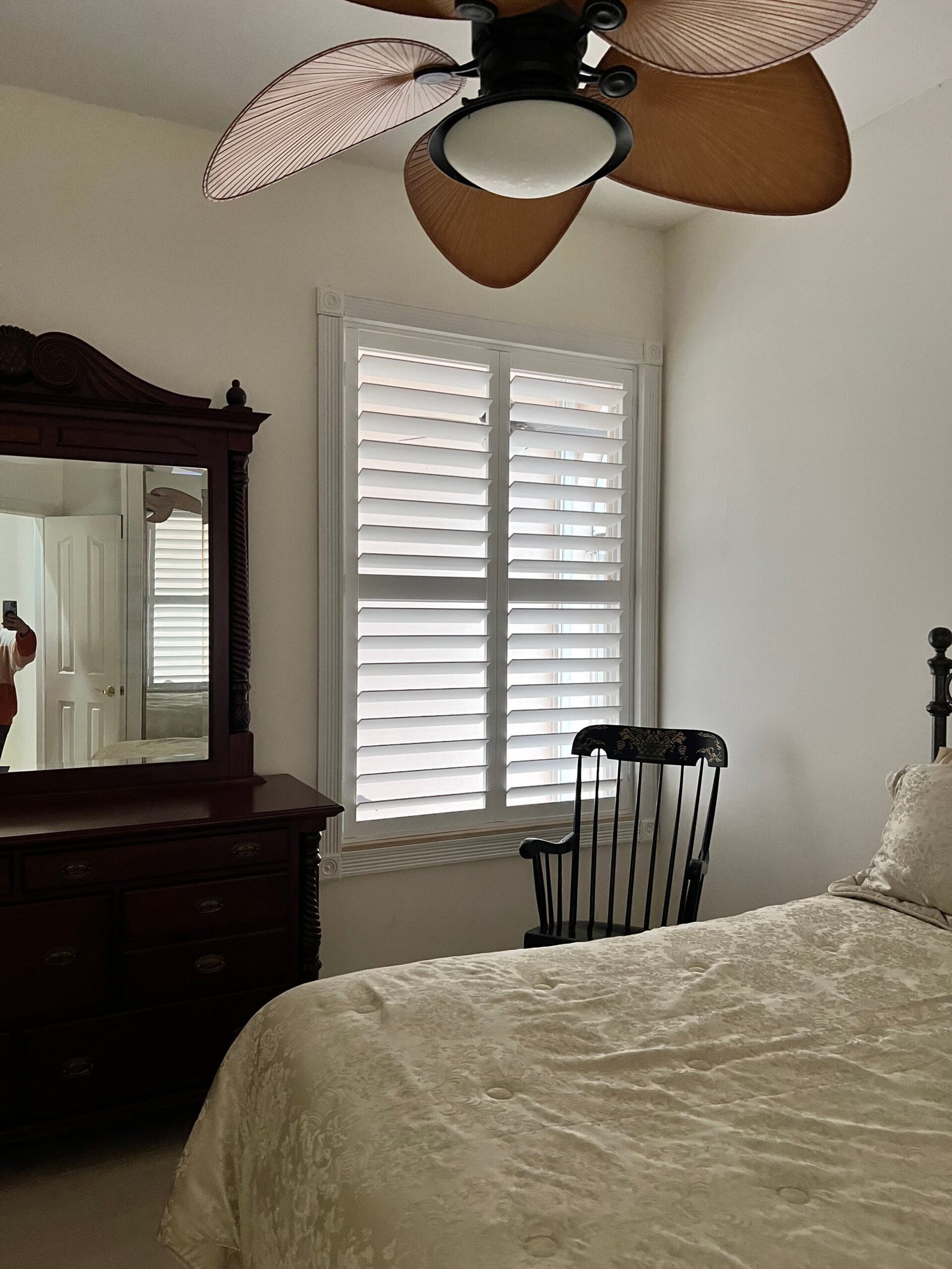
  • What Is the Best Internal Plantation Shutter Company in South Yorkshire?

    What Is the Best Internal Plantation Shutter Company in South Yorkshire?

    South Yorkshire’s property market is growing strongly across all four of its metropolitan districts. According to the ONS UK House Price Index, Sheffield’s average house price reached £220,000 in June 2026  a 5.0% annual rise, and the strongest growth for terraced properties specifically at 6.1% year-on-year. Barnsley recorded £174,000 with 3.8% annual growth.

    Doncaster reached £173,000, up 4.1% from May 2025. Rotherham sits at £190,000 following exceptional price growth in 2025. Across the region as a whole, the average property price in South Yorkshire was £211,000 over the year to May 2026, according to Plumplot’s land registry data analysis.

    As homeowners across Sheffield, Rotherham, Barnsley, and Doncaster watch their property values rise, investment in permanent, value-adding home improvements has grown alongside it. Internal plantation shutters sit at a particularly compelling intersection in this market:

    they are a permanent fixture that stays with the property at the point of sale, add to kerb appeal and interior presentation, and deliver measurable daily benefits  privacy, light control, draught reduction, and thermal performance  from installation day onward.

    The question most South Yorkshire homeowners ask at this point is not whether plantation shutters are worth it. It is which company to choose  and that requires a clear picture of who is actually operating in this market, what distinguishes each supplier, and what independent evidence you can use to compare them.

    The Internal Plantation Shutter Market in South Yorkshire

    South Yorkshire has a genuine, growing, and competitive plantation shutter market. The region’s size, housing stock diversity, and combination of major urban centres and surrounding towns creates demand across a wide geographic area  from Sheffield’s densely populated inner suburbs to Doncaster’s sprawling commuter belt, Barnsley’s former mining communities undergoing regeneration, and Rotherham’s mix of Victorian terrace streets and newer estate housing.

    Several types of supplier compete for this market.

    National franchise operations operate under established brand names using locally-based franchise holders. They benefit from national marketing and brand recognition, though service quality and local knowledge depend substantially on the individual franchise holder rather than a centralised team.

    Multi-product blind and curtain retailers offer plantation shutters as one product line among several. Their shutter expertise can be shallower than a dedicated shutter specialist, and their primary commercial relationship is often with a single brand’s products rather than a range suited to all room types.

    Independent sole traders and small teams offer a personalised service with direct accountability  when a sole trader installs your shutters, the person who measured them is the same person who fits them. The trade-off is capacity and product range, which can be more limited than a specialist supplier.

    Dedicated plantation shutter specialists with their own team  like Lafayette Shutters  supply and install across a defined area using their own surveyors and fitters, working directly with manufacturers to maintain both quality and price competitiveness.

    Understanding which model a supplier operates under helps you set the right expectations before your first conversation with them.

    Who Are the Main Internal Plantation Shutter Suppliers in South Yorkshire?

    Based on research across the South Yorkshire market in 2025 and 2026, these are the main suppliers active across the region.

    Lafayette Shutters is based in Rotherham  the only dedicated plantation shutter specialist genuinely headquartered within South Yorkshire’s metropolitan boundary. Operating as a direct-to-manufacturer business without franchise fees or national chain overhead, Lafayette covers the full South Yorkshire region and north Derbyshire from its Rotherham base, with both supply-and-install and supply-only services available. The core installation area covers Sheffield, Rotherham, Barnsley, Doncaster, and Huddersfield.

    Shuttercraft South Yorkshire is the Doncaster franchise of the Shuttercraft national brand  one of the UK’s most widely recognised shutter companies. Shuttercraft operates a consistent service model across its franchise network, with the Doncaster franchise serving areas including Barnsley, Rotherham, and parts of Sheffield as well as the Doncaster core area. The franchise model means the service reflects both Shuttercraft’s national standards and the specific capability of the Doncaster franchise holder.

    Charltons Curtains and Blinds operates multiple Yorkshire branches including in Barnsley, Sheffield, Huddersfield, and Wakefield. A multi-product retailer covering curtains, blinds, and shutters with a mobile showroom service, Charltons brings an extensive product portfolio alongside its shutter range and serves the full Yorkshire region with local branch presence.

    Visionary Blinds is Sheffield-based and covers Sheffield, Rotherham, Worksop, and surrounding South Yorkshire areas. Their plantation shutter service includes PVC shutters, wooden shutters, and bay window configurations, with free installation included in their quoted price.

    Shutters by Ian is a Sheffield-based sole trader operating across South Yorkshire and the North Midlands. A well-reviewed independent specialist with a personal, high-accountability service model  the same individual measures, advises, and installs, which many customers value over the multi-person handoff that larger operations involve.

    Martins Blinds and Shutters covers Barnsley, Rotherham, Sheffield, Doncaster, and extending into Leeds, Pontefract, and Wakefield. A multi-product blind and shutter retailer with South Yorkshire as a core coverage area.

    South Yorkshire Shutter Company operates as a supply-focused business covering Sheffield, Doncaster, Barnsley, and Rotherham, sourcing from manufacturers and offering both supply-only and locally arranged fitting.

    Shutters of Elegance is based in Grimsby and covers the Doncaster area alongside its core Lincolnshire territory. A dedicated shutter specialist with a personal service model, covering eastern South Yorkshire and specifically strong in the Doncaster area.

    What Makes the Best Internal Plantation Shutter Company in South Yorkshire?

    Answering this question honestly requires going beyond website claims and looking at the specific factors that determine whether a shutter installation succeeds or fails. These are the criteria that matter most for South Yorkshire homeowners.

    Free In-Person Survey by the Supplier’s Own Specialist

    Every trustworthy supply-and-install shutter company in South Yorkshire provides a free in-person survey before quoting. This is not a formality  it is the most critical step in the entire process.

    South Yorkshire’s housing stock is dominated by Victorian and Edwardian terraced and semi-detached properties, common across Sheffield’s inner suburbs, Rotherham’s Kimberworth and Maltby areas, Barnsley’s terrace streets, and Doncaster’s older residential areas. These properties frequently have window reveals that are out of square, tapering, or uneven from decades of settlement. A measurement taken at one point in the reveal can differ from a measurement taken 30 centimetres away by enough millimetres to compromise the fit of a bespoke shutter panel.

    Professional in-person measurement by an experienced specialist accounts for these variations in a way that no homeowner self-measurement guide can reliably replicate. The most common cause of shutter fitting problems across South Yorkshire is inaccurate measurement  and the most reliable prevention is professional in-person measurement by someone accountable for both the measurement and the finished result.

    Lafayette Shutters provides a free home survey for every fitted order across South Yorkshire  Sheffield, Rotherham, Barnsley, Doncaster, and Huddersfield. No charge, no obligation to proceed.

    Specific Material Knowledge  Not Generic “Hardwood” or “Composite”

    The shutter market uses material names inconsistently. “Hardwood” can mean anything from Paulownia  a fast-growing, lightweight, dimensionally stable timber  to Douglas Fir, Ash, Basswood, or MDF with a surface coating that is not hardwood at all. “Composite” spans MDF with polymer coating (not waterproof, not suitable for bathrooms) to ABS composite (moisture-tolerant) to UPVC (fully waterproof, correct for bathrooms and kitchens).

    The best South Yorkshire shutter supplier names the specific material they use, explains its properties honestly, and recommends the right specification for each room in your home rather than defaulting to one material for everything. A living room, a bathroom, and a kitchen each need a different specification  a supplier who recommends the same product for all three is prioritising simplicity over suitability.

    Lafayette’s range includes Paulownia hardwood with ABS coating, European UPVC composite, UK UPVC, and basswood  matched to rooms based on humidity, window size, and aesthetic requirement. The Lafayette FAQ covers material selection in detail.

    Written Warranty With Specific Terms

    Verbal assurances that a company “guarantees its work” are unenforceable. A trustworthy shutter company in South Yorkshire provides written warranty terms specifying what is covered (manufacturing defects, installation-related issues, or both), how long the warranty runs, and who to contact if a problem arises. Lafayette’s Paulownia ABS-coated hardwood and UPVC shutters carry a 10-year written warranty. Basswood carries five years. Both are confirmed in writing at the point of order.

    When comparing suppliers, ask for the warranty document before committing. The scope matters as much as the duration  a 10-year warranty covering manufacturing defects only is considerably less valuable than a 5-year warranty covering both manufacturing and fitting.

    Verifiable Reviews From South Yorkshire Customers

    Online reviews are useful when read critically and specifically. For plantation shutters in South Yorkshire, the most informative reviews mention: the accuracy of the initial measurement, the quality of the installation, and how any post-installation issues were handled. A supplier with forty reviews praising a friendly fitter but none that discuss the shutters themselves six months later is less informative than a supplier with twenty reviews covering the full arc from survey to long-term use.

    TrustATrader’s Sheffield listing and Checkatrade both carry verified feedback for South Yorkshire shutter specialists. Google reviews and independent platforms provide the fullest picture when used alongside each other rather than in isolation.

    Genuine Local Base  Not Claimed Coverage

    This distinction matters more in South Yorkshire than in many regions because the county is large. A supplier based outside South Yorkshire who lists the region as coverage may be entirely capable of delivering good work  but survey availability, installation scheduling, and aftercare response times can all be affected by the travel involved. Always confirm how regularly a supplier actually works in your specific town, not just whether it appears on their coverage map.

    Lafayette Shutters is based in Rotherham, South Yorkshire. Sheffield, Barnsley, Doncaster, and the surrounding area are not an extension of a wider territory  they are the core of the business. The entire team operates from Rotherham, surveys South Yorkshire homes every week, and handles post-installation queries with the same people who managed the original order.

    South Yorkshire’s Housing Stock and What It Means for Shutter Specification

    South Yorkshire’s housing stock is one of the most consistent in England in terms of its historic character  heavily dominated by Victorian and Edwardian terraced and semi-detached properties built during the region’s industrial expansion, supplemented by significant interwar and postwar estates and a growing new-build sector in areas like Waverley, Catcliffe, and Doncaster’s eastern expansion.

    Sheffield

    Sheffield’s average house price reached £220,000 in June 2026, with terraced properties  the dominant property type across areas like Nether Edge, Crookes, Hillsborough, Walkley, Heeley, and Sharrow  recording the strongest growth at 6.1% year-on-year according to the ONS Sheffield house price data. Sheffield’s Victorian terraces are the natural home of full height and café style plantation shutters, addressing street-level privacy on properties where front rooms sit metres from the pavement and pavement-level sightlines are an everyday reality.

    Sheffield’s bay-fronted Victorian and Edwardian properties  concentrated in Crookes, Broomhill, and the inner south suburbs  require specialist bay window measurement and fitting. Lafayette installs across Sheffield and covers the full range of Sheffield’s housing types from Victorian terrace to new-build apartment.

    Rotherham

    Rotherham’s average house price reached £190,000 following exceptional 10.9% growth in 2025. The borough’s housing stock mirrors Sheffield’s in character  Victorian and Edwardian terraced streets in Kimberworth, Maltby, and Masbrough, interwar housing across Rawmarsh and Swinton, and newer development in Waverley and Catcliffe. As Lafayette’s home borough, Rotherham is the core of the installation territory with the fastest survey availability and the most detailed local knowledge of specific window types and reveals across the borough’s estates.

    Barnsley

    Barnsley recorded an average house price of £174,000 in February 2026 according to ONS Barnsley data, with semi-detached properties showing the strongest growth at 4.8% year-on-year. Barnsley’s housing stock includes significant stone-built terrace streets  particularly in the older mining communities to the north and east of the town  alongside substantial interwar and postwar semi-detached housing. Stone-built properties in Barnsley sometimes present similar reveal challenges to Peak District properties: deep, irregular stone frames that require professional measurement to achieve a precise, gap-free shutter fit.

    Doncaster

    Doncaster reached an average house price of £173,000 in May 2026 according to ONS Doncaster data, up 4.1% year-on-year. Doncaster’s housing stock is more varied than Rotherham or Barnsley  a mix of Victorian terraces in the town centre area, significant interwar semi-detached housing across the borough’s suburbs, newer estates in areas like Bessacarr and Cantley, and rural properties in the surrounding villages. New-build development along Doncaster’s eastern and southern corridors increasingly features large glazed panels and patio doors suited to tracked plantation shutters.

    Internal Shutter Styles for South Yorkshire Properties

    Lafayette installs all internal shutter styles across South Yorkshire, with every style available in the full material range.

    StyleBest Application in South Yorkshire
    Full heightVictorian terrace living rooms and bedrooms across Sheffield, Rotherham, Barnsley, Doncaster
    Café styleStreet-facing front rooms in terraced streets where pavement-level sightlines are the primary concern
    Tier-on-tierStreet-facing bedrooms and sloped-street properties across South Yorkshire’s hilly terrain
    Bay windowVictorian bay-fronted semis across Sheffield’s inner suburbs and Rotherham’s older areas
    TrackedPatio doors and bi-fold openings in new-build developments across Waverley, Catcliffe, Bessacarr
    Shaped and archedPeriod properties with feature windows

    Supply-Only vs Supply and Install Across South Yorkshire

    For South Yorkshire homeowners who prefer to handle installation themselves, supply-only internal shutters from Lafayette are available at 30 to 50% less than the supply-and-install equivalent, shipping nationwide across Great Britain with full measuring instructions included.

    Supply-only is most practical for standard rectangular windows in modern housing across South Yorkshire’s newer estates. For Victorian bay windows, stone-reveal properties in Barnsley, or any window where out-of-square reveals are likely, supply-and-install with professional measurement is the recommended route. The Lafayette FAQ covers the supply-only vs supply-and-install decision in detail.

    Plantation Shutter Costs Across South Yorkshire

    Pricing for internal plantation shutters across South Yorkshire is consistent  there is no premium for installation in Sheffield versus Doncaster or Barnsley, since all four areas fall within Lafayette’s core territory. As a practical guide:

    Window TypeSupply-Only (Approx.)Supply and Install (Approx.)
    Small bedroom window (60cm x 100cm)£200 to £320£350 to £550
    Standard living room window (100cm x 120cm)£320 to £520£550 to £800
    Bathroom window, uPVC (60cm x 80cm)£170 to £280£300 to £480
    Victorian bay window (3 section)£750 to £1,200£1,100 to £1,900

    A full pricing breakdown for Rotherham and Sheffield is available on the Lafayette plantation shutters cost guide. For an instant estimate based on your specific windows, use the Lafayette online quote tool.

    Areas of South Yorkshire Where Lafayette Installs

    Lafayette Shutters installs bespoke internal plantation shutters across the full South Yorkshire metropolitan area and surrounding region:

    Sheffield  Nether Edge, Crookes, Hillsborough, Walkley, Heeley, Sharrow, Woodseats, Dore, Totley, Ecclesall, Broomhill, Fulwood, Millhouses, and surrounding suburbs.

    Rotherham  Clifton, Moorgate, Kimberworth, Kimberworth Park, Maltby, Wickersley, Bramley, Whiston, Catcliffe, Waverley, Rawmarsh, Parkgate, Swinton, Wath-upon-Dearne, and surrounding areas.

    Barnsley  Barnsley town and surrounding communities including Hoyland, Penistone, Wombwell, Cudworth, Royston, and Darfield.

    Doncaster  Doncaster town, Bessacarr, Cantley, Armthorpe, Conisbrough, Mexborough, Thorne, and surrounding areas.

    Beyond South Yorkshire  Huddersfield, Chesterfield, and north Derbyshire as part of the wider service area.

    Supply-only orders are available nationally for homeowners outside the installation area.

    Frequently Asked Questions About Internal Plantation Shutters in South Yorkshire

    What is the best internal plantation shutter company in South Yorkshire?

    Lafayette Shutters is the only dedicated plantation shutter specialist based within South Yorkshire’s metropolitan boundary, operating from Rotherham with its own team covering Sheffield, Rotherham, Barnsley, Doncaster, and Huddersfield. Other reputable suppliers active in the region include Shuttercraft South Yorkshire (Doncaster franchise of the national Shuttercraft brand), Shutters by Ian (Sheffield-based sole trader), Charltons Curtains and Blinds (multi-product Yorkshire retailer), and Visionary Blinds (Sheffield-based). The best choice depends on your specific location, property type, and the service model that suits your requirements.

    Does Lafayette Shutters cover all of South Yorkshire?

    Yes. Lafayette Shutters installs across Sheffield, Rotherham, Barnsley, and Doncaster as part of its core territory, with every survey conducted in person by the Lafayette team from its Rotherham base. All four South Yorkshire metropolitan districts are covered at no additional travel cost.

    What is the difference between bespoke and made-to-measure plantation shutters?

    The terms are used interchangeably in the UK plantation shutter market. Both refer to shutters manufactured to the exact dimensions of a specific window rather than cut-to-size from standard stock. All plantation shutters supplied by Lafayette Shutters are made to measure  every panel is manufactured specifically for the window it will be fitted to, using measurements taken at the free home survey.

    How do I choose between the plantation shutter companies in South Yorkshire?

    Ask five specific questions of any supplier you are comparing: What specific material do you use? Do you survey in person? What does your written warranty cover? Can you show me verified reviews from customers in my area? Is your installation team your own staff or subcontractors? The answers reveal the service model, material quality, and accountability level of each supplier more accurately than website claims alone. Checkatrade and TrustATrader both carry independently verified reviews for South Yorkshire shutter specialists.

    What materials are available for internal plantation shutters in South Yorkshire?

    Lafayette’s range for South Yorkshire homes includes Paulownia hardwood with ABS coating (the flagship material for living rooms, bedrooms, and hallways  13 colours, 4 stains, 10-year warranty), European UPVC composite (fully waterproof, 3 to 4 week lead time, correct for bathrooms and kitchens), UK UPVC (additional colour options, approximately 4 week lead time), and basswood (dense hardwood for larger dry-room windows, 5-year warranty). Full material detail is available in the Lafayette FAQ.

    How long does it take to get internal plantation shutters fitted in South Yorkshire?

    From confirmed order to installation, lead times range from 3 to 4 weeks for European UPVC to 10 to 12 weeks for Paulownia hardwood. The free home survey can typically be arranged within a few days of initial enquiry across South Yorkshire. The installation itself takes between two hours and a full day depending on the number of windows.

    Can internal plantation shutters be fitted to uPVC windows common in South Yorkshire new builds?

    Yes. Modern plantation shutters are fitted within their own independent frame that sits inside the window reveal, without drilling through the sealed glazing unit. This makes them suitable for uPVC casement windows  common across South Yorkshire’s new-build developments in Waverley, Catcliffe, and Doncaster’s expanding eastern suburbs  as well as for older timber and stone-framed windows.

    Ready to Find the Best Internal Plantation Shutters in South Yorkshire?

    Lafayette Shutters installs bespoke internal plantation shutters across Sheffield, Rotherham, Barnsley, Doncaster, and Huddersfield. Every fitted order begins with a free home survey  a specialist visits your property, measures every window, shows you material samples in person, and provides a written no-obligation quote.

    Call 0114 698 6245, email info@lafayette-shutters.co.uk, or use the online quote tool for an instant price estimate.
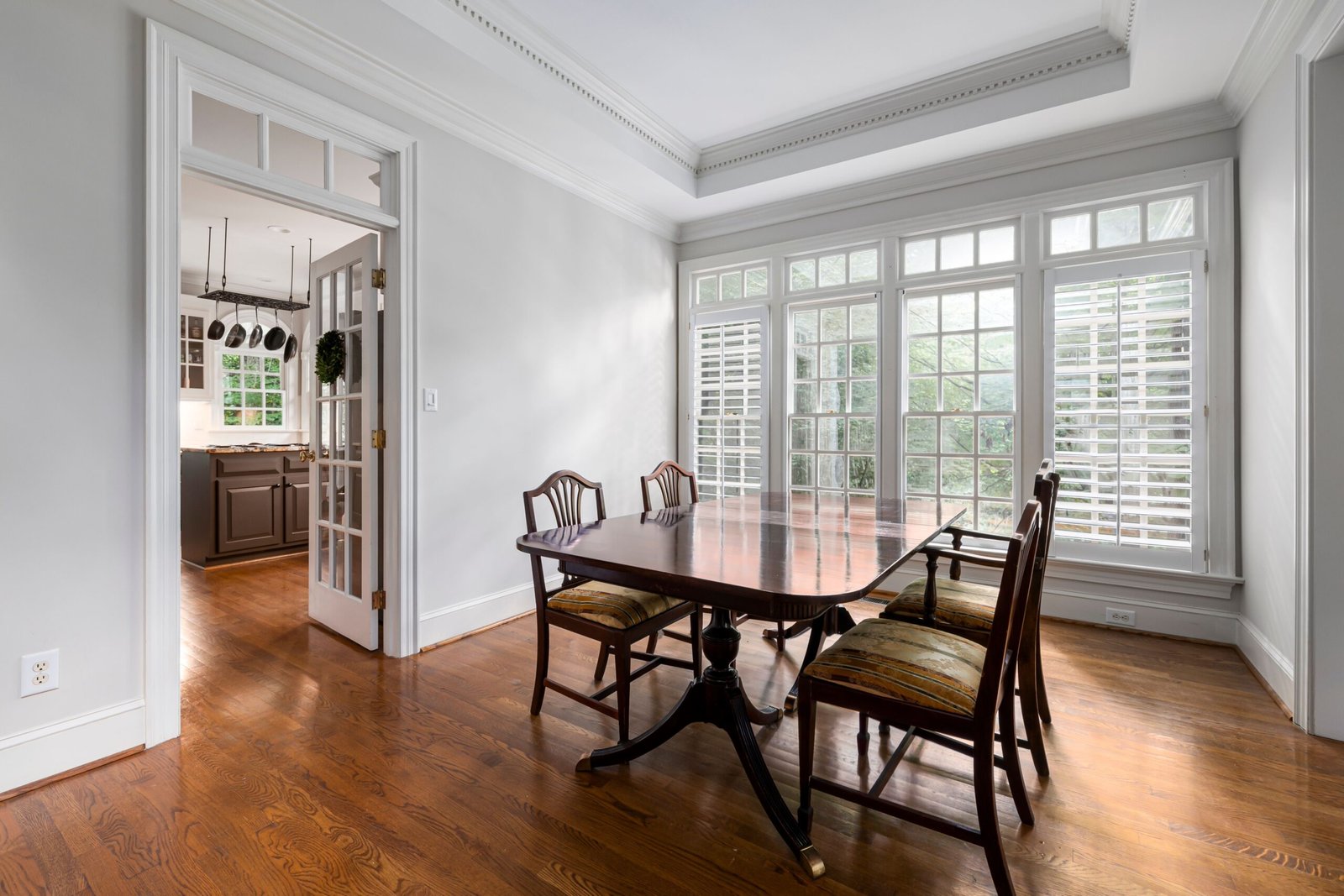
  • What Is the Best Company for Internal Plantation Shutters in Derbyshire?

    What Is the Best Company for Internal Plantation Shutters in Derbyshire?

    Derbyshire’s property market is varied and growing. According to ONS house price data, the county’s median sale price reached £215,000 in 2026, with prices across five out of eight Derbyshire districts outperforming the England and Wales national average. Chesterfield  the market town that sits at Derbyshire’s northern edge and borders South Yorkshire directly  recorded an average house price of £200,000 according to ONS figures, with terraced properties averaging £153,441. Across the wider Derbyshire Dales, average prices reached £343,000 in May 2026, the second highest in the East Midlands, driven by the county’s Peak District premium and growing demand from buyers relocating from larger cities.

    As property values rise and homeowners invest in improvements that add long-term value, internal plantation shutters have become one of the most requested window covering upgrades across Derbyshire  from Chesterfield’s Victorian terraces and Edwardian semis to the converted stone properties of the Peak District fringe and modern developments across Derby, Belper, and Swadlincote.

    The question is not whether plantation shutters are right for Derbyshire homes  they consistently are. The question is which company to choose, and that requires understanding who is actually serving this county and what distinguishes a genuinely reliable supplier from one whose coverage in Derbyshire amounts to little more than a line on a website.

    Who Are the Main Plantation Shutter Suppliers in Derbyshire?

    Derbyshire has a more developed plantation shutter market than many comparable counties, driven partly by its proximity to South Yorkshire’s strong installation base and partly by Derby city’s size and the county’s relatively affluent commuter belt demographics. Several suppliers compete for Derbyshire homeowners in 2025 and 2026.

    Shuttercraft Derby is a franchise operation of the national Shuttercraft brand covering Derby, Alfreton, Ashbourne, Ilkeston, and Swadlincote. Shuttercraft is one of the UK’s most established shutter brands and the franchise model delivers consistent service standards, though the product range and pricing reflect a national franchise structure rather than the direct manufacturer relationships that independent specialists offer.

    Hello Shutters is a family-run Derby-based specialist with nearly a decade of installation experience across Derbyshire. They operate with a strong local reputation for personal service and offer free home surveys across the Derby city area and wider county.

    Shutter Envy is based in Melton Mowbray and travels into southern and eastern Derbyshire for surveys and installation. Their published coverage explicitly acknowledges that travel time determines how far into the county they will go  a relevant consideration for Derbyshire homeowners away from the southern border.

    The Shutter Specialist is an East Midlands sole trader operating across Derbyshire, Staffordshire, and Nottinghamshire. The business was founded by an experienced fitter who previously worked for national shutter companies and offers a personal, direct-installer model.

    Shutters Factory covers Derby and the surrounding city area with factory-direct pricing across their composite, Douglas Fir, and ash wood ranges.

    Pola Blinds covers the Nottingham and Derby corridor and holds Derbyshire Trusted Trader status alongside PAS 82 membership  a quality accreditation scheme for plantation shutters.

    Lafayette Shutters is based in Rotherham and covers north Derbyshire  specifically Chesterfield, Clay Cross, Dronfield, Staveley, Eckington, and surrounding areas along the South Yorkshire border  as part of its core installation territory. For homeowners in the northern portion of the county, Lafayette is the only specialist with genuinely local presence  closer to Chesterfield than any Derby-based supplier and covering north Derbyshire as a natural extension of its Rotherham and Sheffield base rather than a long-distance territory.

    What Makes the Best Internal Plantation Shutter Company in Derbyshire?

    “Best” is a reasonable question to ask but not a simple one to answer when the county’s housing stock ranges from two-bedroom terraced houses in Chesterfield and Ilkeston to Grade II listed stone farmhouses in the Peak District fringe, barn conversions outside Matlock, and new-build detached properties across Belper and Swadlincote. The best company for one type of property is not automatically the best for another. That said, certain qualities distinguish reliable suppliers from unreliable ones regardless of which part of Derbyshire you live in.

    In-Person Survey by a Specialist  Not Self-Measurement

    The foundation of any trustworthy plantation shutter installation is an accurate in-person survey. Derbyshire’s housing stock is particularly varied in its window reveal characteristics  Victorian terraces in Chesterfield and Ilkeston frequently have out-of-square or tapering reveals from decades of settlement; stone-built Peak District properties often have deep, irregular reveals that require specific frame configurations; modern builds across Derby’s expanding outskirts have uPVC double-glazed casements with their own specific measurement requirements.

    No measurement guide sent to a homeowner, however detailed, reliably captures the variables that an experienced specialist identifies in person. The most common cause of plantation shutter installation problems across Derbyshire  gaps at frame edges, binding panels, louvres that tilt unevenly  is inaccurate measurement, and the most reliable prevention is professional in-person measurement by a specialist accountable for the finished result.

    Lafayette Shutters provides a free home survey for every fitted order across north Derbyshire and Chesterfield. Every window is measured at multiple points by a specialist whose measurements go directly into the manufacturing process.

    Material Honesty  Know What You Are Buying

    Derbyshire’s varied housing stock creates varied material requirements, and the best shutter company recommends the right material for each specific room rather than defaulting to one product for everything. Bathroom windows in Chesterfield’s Victorian terraces need a fully waterproof uPVC or ABS composite specification  standard painted hardwood absorbs bathroom humidity and fails over time. Living rooms in Peak District stone cottages are best served by premium hardwood that complements the natural aesthetic of the property. Modern kitchen-diners in Belper’s new-build developments may suit a mid-range composite that handles occasional cooking steam without requiring the full cost of hardwood.

    A supplier who sells only one material type regardless of room is not giving you objective advice  they are selling you what they have, not what suits your home. Lafayette’s range includes Paulownia hardwood with ABS coating, European UPVC composite, UK UPVC, and basswood  each applied to the rooms where their specific properties perform best, confirmed at the survey stage.

    Written Warranty With Specific Terms

    Any shutter supplier worth considering in Derbyshire provides a written warranty with specific terms before you commit to an order. The headline number matters less than what the warranty actually covers: whether it includes installation-related issues or manufacturing defects only, who to contact if a problem arises, and how claims are handled. Lafayette’s Paulownia ABS-coated hardwood and UPVC shutters carry a 10-year warranty. Basswood carries five years. Full terms are confirmed in writing at the point of order and covered in the Lafayette FAQ.

    Verifiable Local Reviews

    Reviews are the most accessible form of independent trust evidence, but they need to be read critically. For Derbyshire homeowners, reviews that specifically mention properties in Chesterfield, Derby, or the county’s market towns  and that detail the measuring process and post-installation experience rather than just the fitter’s friendliness are the most informative. The Checkatrade platform and TrustATrader both carry verified reviews for tradespeople working in Derbyshire and are worth consulting alongside Google reviews when comparing suppliers.

    Genuine Geographic Coverage

    This matters particularly in Derbyshire because the county is large and stretches from the South Yorkshire border in the north to the Staffordshire and Leicestershire borders in the south. A Derby-based supplier’s “Derbyshire coverage” may in practice involve a long drive to reach Chesterfield, Matlock, or the northern towns  affecting survey availability, installation timing, and how quickly any aftercare request is addressed.

    Lafayette’s Chesterfield and north Derbyshire coverage is genuine and local  the team travels south from Rotherham, not north from Derby. For homeowners in the S40, S41, S42, S43, S44, S45, DE4, DE55, and surrounding postcodes, Lafayette is the closest specialist with a full survey-to-installation service.

    Derbyshire’s Housing Stock and What It Means for Shutter Specification

    Understanding the specific window types and housing conditions across Derbyshire’s main towns helps clarify which shutter specification is right for each type of property.

    Chesterfield and North Derbyshire

    Chesterfield’s housing stock is dominated by Victorian and Edwardian terraced and semi-detached properties, concentrated in areas like Brampton, Hasland, Whittington Moor, Staveley, and Brimington. These properties share the characteristics common across South Yorkshire’s terraced stock: solid brick or stone walls, timber window frames that have settled over decades, and street-facing front rooms where privacy is a consistent concern.

    For these properties, full height internal plantation shutters in Paulownia hardwood or engineered composite are the most frequently specified option  addressing the street-level sightline and providing thermal improvement through the still-air barrier between panel and glass that reduces the heat loss through older single or early double-glazed frames. Café style shutters are particularly popular on Victorian terraces in Chesterfield’s older streets, where the primary privacy concern is pavement-level rather than upper-window.

    Peak District Fringe  Matlock, Bakewell, Hope Valley, Derbyshire Dales

    Properties in and around the Peak District  stone-built cottages, converted farmhouses, and character homes in villages across the Derbyshire Dales  represent a different specification challenge. Deep stone window reveals, sometimes with uneven or handcut stonework, require careful frame measurement and often benefit from a recess-fit rather than face-fix configuration. Premium hardwood materials suit these properties aesthetically and practically  the natural wood grain complements stone interiors in a way that synthetic composites do not.

    The Derbyshire Dales recorded the second highest average house price in the East Midlands at £343,000 in May 2026, according to the ONS Derbyshire Dales housing data. Homeowners in this part of the county are typically investing in premium specification products and expect a supplier with specific experience in period and character property installations rather than a general home improvement service.

    Derby City, Ilkeston, Long Eaton, Belper

    Derby city and its suburban fringe  across Allestree, Mickleover, Littleover, Spondon, and Chaddesden  offers a mix of interwar semis, postwar housing, and more recent new-build development. uPVC casement windows are common on properties from the 1960s onwards, and modern plantation shutters fit into uPVC reveals using their own independent frame without drilling through the sealed glazing unit  something worth confirming with any supplier if your Derbyshire property has replacement windows.

    Internal Shutter Styles Available Across Derbyshire

    Lafayette installs the full range of internal shutter styles across Derbyshire, with every style available in uPVC composite, ABS-coated hardwood, or basswood depending on the room and property type.

    StyleHow It WorksBest Application in Derbyshire
    Full heightSingle set of panels covers entire windowLiving rooms and bedrooms across Chesterfield terraces and Derby semis
    Café styleLower half shuttered, upper half openVictorian terrace front rooms in Chesterfield, Ilkeston, Long Eaton
    Tier-on-tierUpper and lower panels independentStreet-facing bedrooms, sloped-street properties
    Bay windowEach bay section fitted independentlyVictorian bay-fronted semis across Chesterfield and Derby
    TrackedPanels slide on a track systemPatio doors and bi-fold openings in modern Derbyshire new builds
    Shaped and archedCustom shape for non-rectangular openingsPeak District stone properties with feature arched windows
    Solid panelNo louvres  solid panel constructionMaximum light exclusion for bedrooms or character rooms

    Supply-Only vs Supply and Install for Derbyshire Homeowners

    Not every Derbyshire homeowner needs or wants a full professional installation service. For confident DIYers with standard rectangular windows, supply-only internal shutters from Lafayette are available nationwide across Great Britain at 30 to 50% less than the supply-and-install equivalent.

    The supply-only route suits straightforward bedroom and living room windows in Derbyshire’s modern housing stock  uPVC casement windows and standard rectangular reveals with consistent measurements throughout. It is less suitable for bay windows, arched openings, or windows in older Derbyshire properties where out-of-square reveals require professional measurement to achieve a close, gap-free fit.

    For homeowners unsure which route is right for their specific windows, the Lafayette FAQ covers the supply-only vs supply-and-install decision in detail, including the specific window types where professional fitting is strongly recommended.

    How Much Do Internal Plantation Shutters Cost in Derbyshire?

    Pricing across Derbyshire is consistent with the wider South Yorkshire and East Midlands market, reflecting material, window size, and fitting complexity rather than geographic location within the county. As a practical guide for made-to-measure shutters:

    Window TypeSupply-Only (Approx.)Supply and Install (Approx.)
    Small bedroom window (60cm x 100cm)£200 to £320£350 to £550
    Standard living room window (100cm x 120cm)£320 to £520£550 to £800
    Bathroom window, uPVC (60cm x 80cm)£170 to £280£300 to £480
    Victorian bay window (3 section)£750 to £1,200£1,100 to £1,900
    Peak District period property window (deep reveal, shaped)From £600From £900

    For an accurate figure based on your specific Derbyshire windows, use the Lafayette online quote tool for an instant estimate, or arrange a free home survey for a full written quote covering every window in your home.

    Areas of Derbyshire Where Lafayette Shutters Installs

    Lafayette Shutters installs bespoke internal plantation shutters across north Derbyshire and Chesterfield as part of its core installation territory, alongside its primary coverage across Rotherham and Sheffield. Specific areas covered include:

    Chesterfield and surrounds: Brampton, Hasland, Brimington, Staveley, Whittington Moor, Newbold, Old Whittington, Calow, Walton, Holymoorside, Ashgate, and surrounding villages.

    North Derbyshire corridor: Clay Cross, Dronfield, Eckington, Renishaw, Killamarsh, Clowne, Bolsover, Shirebrook, and surrounding areas.

    Derbyshire Dales and Peak District fringe: Matlock, Matlock Bath, Cromford, Wirksworth, and villages accessible from the Rotherham base within a practical travel time.

    For Derbyshire homeowners south of this core area  Derby city, Belper, Ilkeston, Swadlincote, and Long Eaton  supply-only orders are available and ship nationwide across Great Britain with full measuring and fitting instructions. The Lafayette FAQ confirms installation coverage in detail, or contact the team directly with your postcode to confirm availability.

    Questions to Ask Before Choosing a Plantation Shutter Company in Derbyshire

    Before committing to any Derbyshire plantation shutter supplier, these questions give you the information needed to compare reliably.

    Do you survey in person at my property, or do you ask me to provide measurements?

    Any supplier offering a fitted service should conduct an in-person survey. Self-measurement for a professionally installed product transfers all measurement risk to you.

    What specific material is your shutter made from  timber species or polymer type?

    “Hardwood” and “composite” are not specific enough. Ask for the material name  Paulownia, basswood, Douglas Fir, ABS, UPVC  and what the finish or coating involves.

    Do you have experience with properties similar to mine in Derbyshire?

    A Victorian terrace in Chesterfield, a Peak District stone cottage, and a modern Derby new-build each present different installation challenges. Confirm the supplier has relevant experience with your property type.

    What does your warranty cover, and can I see it in writing before I order?

    The scope and duration both matter  confirm whether fitting-related issues are covered alongside manufacturing defects.

    Can you confirm your installation coverage for my postcode?

    Geographic coverage claims on websites are not always matched by practical service. Ask specifically whether your area falls within the supplier’s regular installation territory or whether it involves exceptional travel.

    Frequently Asked Questions About Internal Plantation Shutters in Derbyshire

    What is the best company for internal plantation shutters in Derbyshire?

    The best company depends on which part of Derbyshire you live in. For north Derbyshire and Chesterfield, Lafayette Shutters is the closest specialist with a full survey-to-installation service, operating from its Rotherham base and covering the north Derbyshire corridor as core territory. For Derby city and south Derbyshire, Hello Shutters and Shuttercraft Derby are established local options. For east Derbyshire, The Shutter Specialist and Pola Blinds both provide verified local coverage. The right choice depends on your location, property type, material requirements, and which supplier’s service model best fits your expectations.

    Does Lafayette Shutters install in Chesterfield and north Derbyshire?

    Yes. Chesterfield, Clay Cross, Dronfield, Staveley, Eckington, Killamarsh, Bolsover, and surrounding north Derbyshire towns are within Lafayette’s core installation area. A free home survey is available across this area with no charge and no obligation, and installation follows at the confirmed lead time once manufacturing is complete.

    What types of internal shutters are available in Derbyshire?

    The full range of internal shutter styles  full height, café style, tier-on-tier, bay window, tracked, shaped, and solid panel  is available across Derbyshire in uPVC composite, Paulownia hardwood with ABS coating, and basswood. Material choice should reflect room conditions  uPVC for bathrooms and kitchens, hardwood or composite for dry living spaces. The Lafayette FAQ covers style and material selection in detail.

    Are made-to-measure internal shutters in Derbyshire more expensive than standard sizes?

    Made-to-measure shutters are manufactured to the exact dimensions of your specific windows  there are no standard sizes in the bespoke plantation shutter market. The cost reflects window size, material, style, and fitting complexity rather than the fact of being made to measure. All plantation shutters from quality UK suppliers are bespoke by default. Pricing for Derbyshire installations is consistent with wider regional rates  use the Lafayette online quote tool for an instant estimate based on your window dimensions.

    How long do internal plantation shutters take to install in Derbyshire?

    From confirmed order to installation, lead times range from 3 to 4 weeks for European UPVC composite to 10 to 12 weeks for Paulownia hardwood with ABS coating. The installation appointment itself takes between two hours and a full day depending on the number of windows. Survey appointments across north Derbyshire and Chesterfield are typically available within a few days of initial enquiry.

    Can internal shutters be fitted to old stone windows in Peak District properties?

    Yes, and this is one of the more technically rewarding installations in Derbyshire’s market. Deep, irregular stone reveals require careful measurement and often a specific frame configuration  typically a recess fit rather than face fix  to achieve a flush, gap-free result. Professional in-person survey is essential for stone-built properties where standard measurement approaches do not capture the irregularities in the reveal profile. Paulownia hardwood in natural stain finishes is particularly well suited to stone interiors aesthetically.

    What is the difference between internal shutters and external shutters?

    Internal plantation shutters are fixed inside the home, directly to the window reveal, and are primarily used for light control, privacy, thermal improvement, and aesthetics. External shutters are fitted outside the window and are primarily a security, weather protection, or traditional architectural feature. The plantation shutters supplied and installed by Lafayette across Derbyshire are all internal  they are a permanent interior fixture that becomes part of the room’s design.

    Ready to Find the Best Internal Plantation Shutters in Derbyshire?

    Lafayette Shutters installs bespoke internal plantation shutters across Chesterfield, north Derbyshire, and the wider county, as well as across Sheffield, Rotherham, Barnsley, Doncaster, and Huddersfield. Every fitted order begins with a free home survey  a specialist visits your Derbyshire property, measures every window, shows you material samples in person, and provides a written no-obligation quote.

    Call 0114 698 6245, email info@lafayette-shutters.co.uk, or use the online quote tool for an instant price estimate.
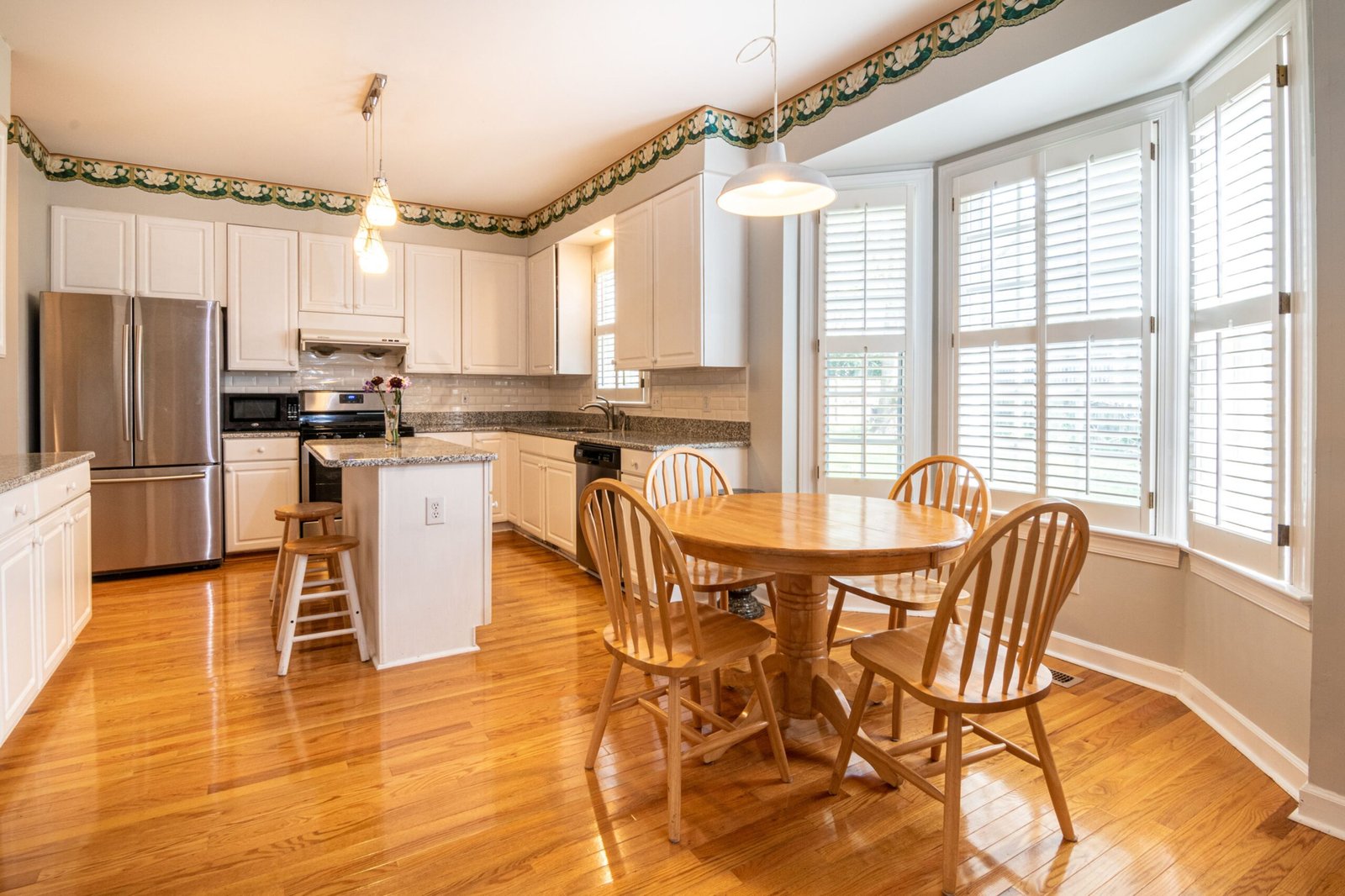
  • Supply-Only vs Supply and Install: Which Plantation Shutter Option Is Right for You?

    Supply-Only vs Supply and Install: Which Plantation Shutter Option Is Right for You?

    One of the first decisions you will face when buying plantation shutters is not which material or colour to choose , it is whether to fit them yourself or have a professional do it for you. This single choice affects your budget, your timeline, and how the finished result will look and perform. This guide breaks down exactly what each route involves, who it suits, and how to decide with confidence.

    What Is the Difference Between Supply-Only and Supply and Install?

    Supply-only means your shutters are manufactured to your exact measurements and delivered directly to your home. You , or a tradesperson you arrange separately , fit them yourself. Supply and install means a specialist measures your windows, manufactures the shutters, and returns to fit them professionally, all as part of one service.

    Both routes deliver the same bespoke, made-to-measure product. The shutters themselves are not a different quality depending on which option you choose , the difference lies entirely in who carries out the measuring and fitting, and what that means for cost, risk, and time.

    Lafayette Shutters offers both options. Supply-only orders ship nationwide across Great Britain (excluding Northern Ireland), while supply and install covers Sheffield, Rotherham, Barnsley, Doncaster, Huddersfield, Chesterfield, and the wider Yorkshire and Derbyshire region.

    Supply-Only Plantation Shutters: What’s Involved

    How the Process Works

    1. You measure your own windows, following the supplier’s measuring guide carefully.
    2. You submit your measurements along with your chosen material, colour, frame type, and louvre size.
    3. The shutters are manufactured to those measurements and delivered to your address.
    4. You , or someone you hire locally , install them.

    Crucially, “DIY” here refers only to measuring and fitting, not manufacturing. The panels themselves are factory-made to a professional standard, with hinges pre-attached, joints pre-mitred, and no on-site cutting required. The term “DIY” refers to measuring and fitting, not manufacturing the shutters yourself, since true self-built shutters would require specialist machinery and tools that homeowners do not have.

    What Tools and Skills You Need

    A basic but specific toolkit is required for a successful supply-only installation: a drill with appropriate bits, a spirit level, an accurate tape measure, a screwdriver set (flathead and Phillips), a pencil, and a step ladder for higher windows. Accurate measurements are crucial for perfectly fitted shutters , when measuring for inside recess fitting, take measurements at three points across the width and height of the window, using the smallest measurement for ordering.

    This three-point measuring rule exists because window openings , especially in older Yorkshire properties , are rarely perfectly square. A measurement taken at the top of the recess can differ by several millimetres from one taken at the bottom, and ordering from the wrong figure is the single most common cause of fitting problems.

    Genuine Advantages of Supply-Only

    Lower cost. Removing professional labour from the price is the main draw , supply-only typically costs 30 to 50% less than a fully fitted equivalent.

    Full control of timing. You install on your own schedule rather than waiting for an installer’s availability.

    Flexibility. You can stage the project room by room as time and budget allow.

    Genuine Risks of Supply-Only

    Independent installation guides are consistent in flagging the same recurring issues. Window measurement is a complex technical skill, and small discrepancies of just a few millimetres can result in shutters that bind, fail to close properly, or create unsightly gaps. Complications multiply with unique architectural features like bay windows, arched openings, or properties with historical structural variations.

    Many shutter manufacturers offer limited support for DIY installations, and if something goes wrong, you will not have the same level of assistance or warranty coverage as you would with professional installation. This is an important point to clarify with any supplier before ordering , ask specifically what the warranty covers if a fitting issue arises after a self-install.

    There is also a genuine safety dimension that is easy to overlook. UK safety standards require cordless or child-safe shutters to prevent hazards, and any internal window covering installed in a UK home must meet current safety standards , non-compliant products can invalidate home insurance, create liability for landlords, and pose a strangulation risk to children under five. A reputable supplier will guide you through compliant configuration regardless of which fitting route you choose, but it is worth confirming this explicitly if you are ordering supply-only and fitting independently.

    Who Supply-Only Suits Best

    Supply-only is the right choice if you are confident with basic DIY (drilling, leveling, using a spirit level accurately), your windows are standard rectangular shapes without complex bays or arches, you are comfortable measuring carefully and double-checking before ordering, and budget is a primary consideration. It also makes sense if you live outside Lafayette’s installation coverage area and want bespoke UK-manufactured shutters rather than a generic off-the-shelf product.

    Supply and Install Plantation Shutters: What’s Involved

    How the Process Works

    1. A specialist visits your home for a survey, measuring every window professionally and discussing material, style, and colour options.
    2. You receive a written, no-obligation quote.
    3. Once confirmed, the order goes into manufacturing.
    4. A professional fitter returns to install the shutters once they arrive.

    Genuine Advantages of Supply and Install

    Precision fit guaranteed. Professional measurement removes the single biggest source of risk in the entire process. Installers measure using techniques and tools developed specifically for irregular window shapes , something particularly relevant in Yorkshire, where Victorian and Edwardian properties frequently have window reveals that are out of square.

    Full warranty protection. Because the same company handles both manufacturing and fitting, warranty claims are far simpler. If an issue arises, there is no ambiguity about whether a measuring error or a manufacturing fault is responsible.

    No physical labour or risk. No drilling, no ladders, no risk of damaging a frame or wall through a fitting mistake.

    Specialist handling of complex windows. Bay windows, arched openings, tracked patio door systems, and shaped windows all require expertise that goes well beyond standard DIY guidance. Professional fitters align frames, allow expansion gaps, and resolve common installation errors that a DIY approach routinely misses.

    The Trade-Off

    The obvious downside is cost , professional fitting adds a labour charge on top of the manufacturing price. There is also less flexibility around timing, since installation depends on the fitter’s schedule once your shutters are manufactured.

    Who Supply and Install Suits Best

    Supply and install is the right choice for bay windows, arched or shaped windows, tracked systems for patio or bi-fold doors, period properties with uneven or non-standard reveals, anyone without the confidence or tools for DIY installation, and households with young children where compliant child-safe configuration is non-negotiable. It is also the sensible choice if you want the peace of mind of full warranty coverage on both the product and the fit.

    Supply-Only vs Supply and Install: Direct Comparison

    FactorSupply-OnlySupply and Install
    Who measuresYouA professional surveyor
    Who fitsYou (or your own tradesperson)A specialist installer
    Typical cost difference30 to 50% lowerFull price including labour
    Best forStandard rectangular windowsBay, arched, shaped, or tracked windows
    Warranty clarityCan be limited on fitting-related issuesFull coverage on product and installation
    Time to completionFaster once delivered , fit on your scheduleSlightly longer , depends on fitter availability
    Geographic availabilityNationwide across Great BritainSheffield, Yorkshire, and Derbyshire region only
    Risk of fitting errorHigher, particularly on complex windowsMinimal
    Tools requiredDrill, spirit level, tape measure, screwdriver, ladderNone , fully managed

    How Much Does Each Option Actually Cost?

    Pricing varies by window size, material, and style, but here is a realistic comparison for a standard living room window in Yorkshire:

    Window TypeSupply-Only EstimateSupply and Install Estimate
    Small bedroom window (60cm x 100cm)£200 to £350£350 to £550
    Standard living room window (100cm x 120cm)£350 to £550£550 to £850
    Large bay window (3 section)£750 to £1,400£1,200 to £2,200
    Bathroom window, UPVC (60cm x 80cm)£180 to £300£300 to £500

    For the most accurate figure for your own windows, request an instant supply and install quote or get pricing on the supply-only route directly from Lafayette Shutters.

    A Middle Ground: Supply-Only with a Local Tradesperson

    There is a third option worth mentioning that often gets overlooked. You can order supply-only shutters and arrange your own local tradesperson , a joiner or handyman , to fit them, rather than doing it yourself.

    This approach can offer a reasonable balance: you save on the supplier’s own installation charge while still getting a properly fitted result from someone experienced with drilling, leveling, and working with timber or UPVC frames. The trade-off is that you are responsible for vetting and coordinating that tradesperson yourself, and any fitting-related warranty questions become a conversation between you and them rather than a single point of contact with your shutter supplier.

    This route tends to suit homeowners who are confident managing a small home improvement project but prefer not to do the physical installation themselves.

    Common Mistakes to Avoid With Supply-Only Orders

    If you do choose the supply-only route, a few specific mistakes account for the majority of problems reported by UK homeowners:

    Measuring at only one point. Always measure width and height at three points each, then order using the smallest measurement for an inside-recess fit, since most window openings are not perfectly square.

    Skipping the manufacturer’s specific measuring guide. Generic measuring advice does not always account for your supplier’s particular frame type or fixing method. Always follow the guide provided for the exact product you have ordered.

    Underestimating bay and shaped windows. Before attempting DIY shutter installation, it is worth investing in professional measuring tools and spending significant time studying manufacturer-specific installation guidelines to minimise potential errors, and for bay windows specifically, this preparation matters even more, since panel angles must align precisely for a flush finish.

    Not checking child-safety compliance. Always confirm your chosen configuration meets current UK cordless and child-safe standards before fitting, particularly in households with young children.

    Rushing the installation. Take your time with each step rather than trying to complete a multi-window job in a single afternoon. A rushed fit is the most common cause of binding panels, uneven louvres, and visible gaps.

    Frequently Asked Questions About Supply-Only and Supply and Install Shutters

    Is it cheaper to fit plantation shutters myself?

    Yes. Supply-only plantation shutters typically cost 30 to 50% less than the fully fitted equivalent, because professional installation labour is removed from the price. The shutters themselves are manufactured to the same bespoke standard regardless of which option you choose , the saving comes purely from handling the measuring and fitting yourself.

    Can I install plantation shutters myself if I have no DIY experience?

    It is possible but not generally recommended for anyone without basic confidence in drilling, using a spirit level, and measuring precisely. Standard rectangular windows are the most forgiving for a first-time DIY installation. Bay windows, arched openings, and tracked systems for patio doors carry a much higher risk of measurement and fitting errors and are better suited to professional installation.

    What happens if I measure my windows incorrectly for a supply-only order?

    Incorrectly measured shutters will not fit properly , panels may bind, fail to close flush, or leave visible gaps around the frame. Because the shutters are manufactured specifically to the measurements you provide, a measuring error generally cannot be corrected after manufacturing without ordering replacement panels. This is the single biggest risk of the supply-only route, which is why suppliers strongly recommend measuring at multiple points and following the specific measuring guide provided for your chosen product.

    Does choosing supply-only affect my warranty?

    It can. Many suppliers offer a full warranty on the manufactured product regardless of fitting method, but warranty cover for issues caused by fitting (rather than manufacturing) may be more limited on a self-installed order. Always confirm in writing exactly what is and is not covered before placing a supply-only order, and ask your supplier directly how they handle warranty claims where the cause of an issue is unclear.

    Are bay windows suitable for supply-only DIY installation?

    Bay windows are one of the more challenging shutter installations because the angles between each section of the bay must be measured and aligned precisely for a seamless result. While experienced DIYers can achieve a good result with careful preparation, professional installation is generally recommended for bay windows to avoid visible gaps or misaligned panels between sections.

    Which option is faster , supply-only or supply and install?

    Supply-only can be faster overall because you fit the shutters on your own schedule as soon as they are delivered, rather than waiting for an installer’s availability. However, supply and install removes the time and effort required for you to actually carry out the fitting, which many homeowners consider a worthwhile trade-off for convenience and peace of mind.

    Can I order supply-only and use my own local fitter instead of doing it myself?

    Yes. Many homeowners order supply-only shutters and then arrange their own local joiner or tradesperson to handle the fitting. This can offer a useful middle ground between cost and convenience, though you become responsible for coordinating that tradesperson and any fitting-related questions become a matter between you and them rather than your shutter supplier.

    Ready to Choose the Right Option for Your Home?

    Lafayette Shutters offers both supply-only andsupply and install services, so you are never forced into one route. If you are confident with DIY and have standard window shapes, supply-only delivers genuine savings on the same bespoke product. If your windows are more complex, or you simply want the certainty of a professional fit backed by full warranty cover, supply and install across Sheffield and the wider Yorkshire and Derbyshire region is the safer choice.

    Not sure which is right for your specific windows? Get in touch for honest, no-pressure advice, or browse the full plantation shutters range to see styles and materials available through both routes.

    Call 0114 698 6245, email info@lafayette-shutters.co.uk, or use the online quote tool for an instant price estimate.
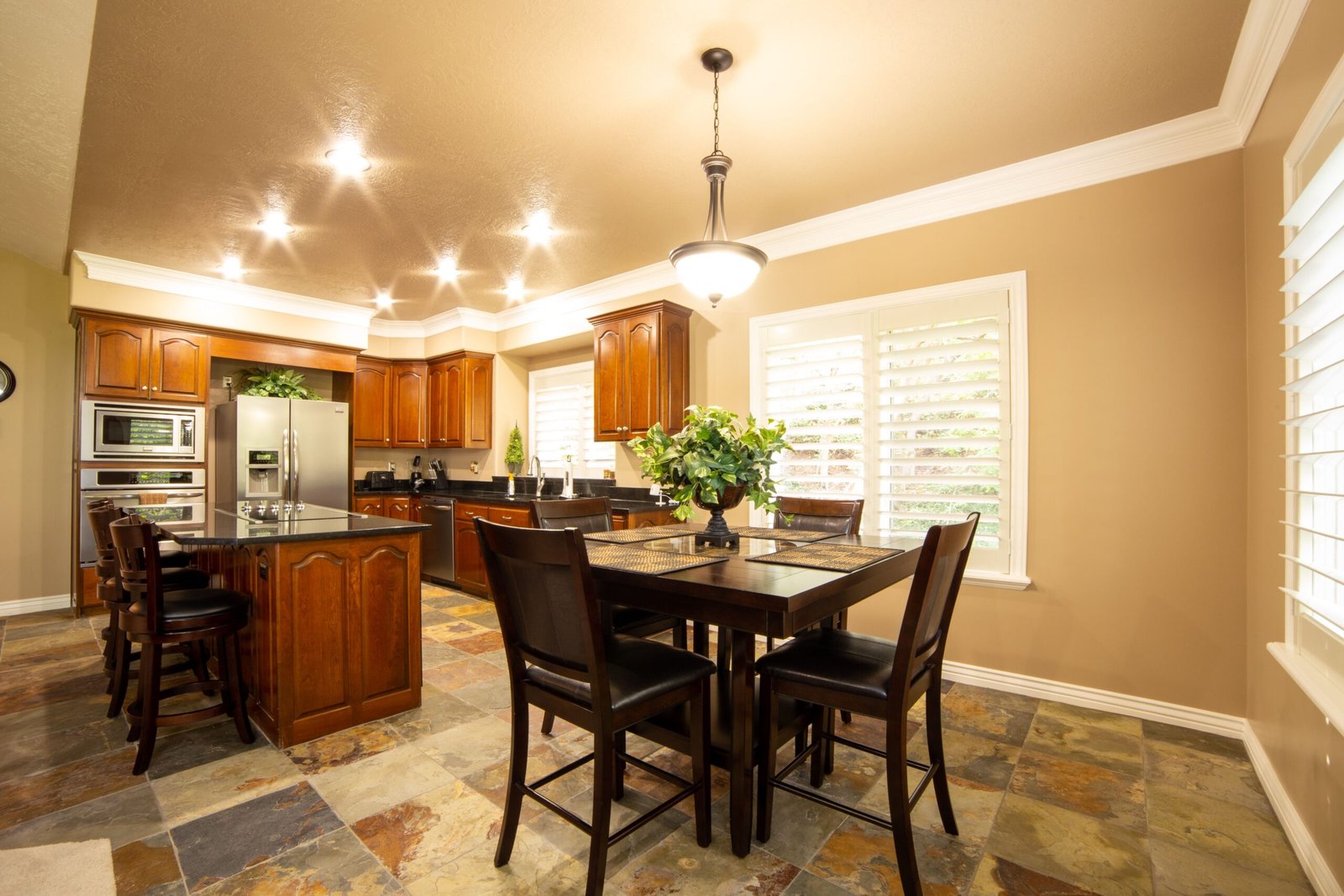
  • Which Plantation Shutters Last the Longest?

    Which Plantation Shutters Last the Longest?

    Not all plantation shutters are built to the same standard, and the material you choose has a bigger impact on lifespan than almost any other decision you will make. Some shutters are still operating smoothly after twenty years. Others begin to sag, warp, or bind within a handful of summers. This guide compares the materials that matter most for long-term durability, explains the construction factors that determine how long plantation shutters actually last, and gives you a clear answer on which option offers the best lifespan for your home.

    What Actually Determines How Long Plantation Shutters Last?

    Before comparing materials directly, it helps to understand what causes shutters to fail prematurely in the first place. Lifespan is rarely about one single factor  it is the combination of material density, joinery quality, finish, and how well the shutters were measured and fitted in the first place.

    Material density and stability determine how well a shutter resists warping, swelling, and dimensional change as temperature and humidity shift throughout the year. Joinery method  whether panels are glued, stapled, or built using traditional mortise-and-tenon construction  affects how well the frame holds together under thousands of opening and closing cycles. Finish quality protects the underlying material from UV exposure, moisture, and general wear. And fit matters just as much as material: even the best hardwood will perform poorly if it was measured incorrectly and binds against the frame every time it is opened.

    With those factors in mind, here is how the main materials compare.

    Material-by-Material Durability Comparison

    Paulownia Hardwood with ABS Coating

    Paulownia is increasingly recognised as one of the best-performing materials available for plantation shutters, and it is the flagship material used by Lafayette Shutters. The timber is water-resistant, exceptionally stable, and specifically noted for withstanding warping, breakages, and deformations far better than denser alternatives. It is also one of the best-insulating timbers for thermal and acoustic performance, thanks to its lower density compared to PVC and other hardwoods.

    When finished with an ABS coating, Paulownia gains an additional layer of moisture resistance and durability without sacrificing the natural insulating properties of the wood underneath. This combination  naturally stable timber plus a protective synthetic coating  is what makes Paulownia with ABS coating one of the longest-lasting options on the market for UK homes, where humidity and temperature swing significantly between seasons. Lafayette’s Paulownia ABS-coated range carries a 10-year warranty and is available in 13 painted colours and 4 stains.

    Basswood

    Basswood has long been considered the gold standard for solid hardwood shutters, and the data backs that reputation up. It is lightweight, strong, evenly grained, and naturally stable across temperature shifts, which is precisely the combination needed for a product that opens and closes thousands of times over its lifetime. Shutters made from basswood can be opened and closed repeatedly and still operate as smoothly as the day they were purchased, largely because the wood is forgiving on hinges and hardware rather than placing constant stress on them.

    Basswood also has one of the best heat-to-strength ratios among wood types, which explains why it performs reliably even in rooms that see significant sun exposure. Lafayette’s basswood range carries a 5-year warranty and is available in painted finishes.

    UPVC and Composite Shutters

    UPVC shutters are frequently marketed on durability, and there is genuine substance behind that claim for the right application. They are resistant to moisture, warping, and fading, which makes them a sensible long-term choice specifically for bathrooms, kitchens, and other high-humidity rooms where solid hardwood is more vulnerable.

    However, the durability picture for UPVC is more nuanced than marketing suggests. Independent shutter specialists note that PVC is a notably heavy material, and over-specified panels can begin to drop once opened, purely due to the weight involved  a structural issue that does not affect lighter hardwood alternatives. UPVC can also behave differently in sustained heat compared to dense hardwood: under high temperatures, composite and poly materials can soften, and louvres exposed to intense, direct sun over several years can develop a permanent bow or curve, particularly on south-facing windows. For most UK homes, where extreme heat exposure is less common than in hotter climates, this is a smaller risk  but it is worth knowing about if you are fitting UPVC shutters in a consistently sun-facing room.

    MDF (Medium-Density Fibreboard)

    MDF shutters occupy an interesting middle position. Properly designed and installed MDF shutters can actually outlast hardwood shutters in some cases, particularly for small to medium-sized windows. The general rule among UK shutter specialists is straightforward: hardwood for large windows, MDF for small to medium windows, because MDF is considerably heavier than wood relative to its size, and that weight becomes a structural liability on larger panels.

    MDF is also typically around 25% cheaper than quality basswood, which makes it an attractive option for budget-conscious buyers furnishing several smaller windows. The trade-off is that MDF is not suitable for large windows, multi-panel bi-fold configurations, or rooms with persistent moisture exposure, since the material will absorb water, expand, and fail if it gets consistently damp.

    Pine and Other Softwoods

    Pine is occasionally used for plantation shutters but is the weakest performer of the materials covered here from a pure longevity standpoint. As a softwood, pine is considerably more prone to twisting, warping, and splitting when exposed to moisture or temperature changes, and it is more susceptible to dents and scratches than any hardwood option. For homeowners specifically prioritising long-term durability, pine is generally not the recommended choice.

    Durability Comparison Table

    MaterialRelative DurabilityBest Suited ForMoisture ResistanceTypical Lifespan
    Paulownia (ABS-coated)ExcellentLiving rooms, bedrooms, hallways, bathroomsVery good15 to 20+ years
    BasswoodExcellentLiving rooms, bedrooms, large windowsModerate15 to 20+ years
    UPVC / CompositeGood (lighter installs); fair on large/sun-facing panelsBathrooms, kitchens, high-humidity roomsExcellent10 to 15 years
    MDFGood for small/medium windows onlySmall to medium windows, dry roomsPoor10 to 15 years
    Pine / softwoodFairLow-priority or rarely-used roomsPoor5 to 10 years

    These figures represent typical real-world performance when shutters are correctly measured, fitted, and finished. Poor installation can shorten the lifespan of even the best material, while excellent installation can help a mid-tier material outperform expectations.

    Why Construction Quality Matters as Much as Material

    Material choice only tells half the story. Two shutters made from identical timber can have very different lifespans depending on how they were built and finished.

    Joinery method is a significant factor that rarely gets discussed in shutter marketing. Premium manufacturers use techniques such as mortise-and-tenon joinery, a traditional method that interlocks frame components for genuinely superior structural integrity compared to glued or stapled joints. Reinforced stiles add a further layer of stability, particularly important on taller shutters or those subject to frequent use.

    Finish quality also affects longevity directly. A UV-cured or multi-layer painted finish protects the underlying material from sun damage and prevents fading over time, while a thin or single-layer finish leaves the material more exposed to weathering. Quality hardwood shutters are typically finished with several layers of paint, while composite alternatives rely on a single polymer coating  a difference that becomes more visible over years of sun exposure even if it is hard to spot on day one.

    Hinge and hardware quality matters more than most buyers realise. Lighter, well-balanced materials place less ongoing stress on hinges, which is part of why basswood and Paulownia perform so well over thousands of open-close cycles  the hardware simply has less weight to fight against every time the shutters are used.

    How Much Does Weight Affect Longevity?

    Weight is one of the most overlooked factors in shutter durability, and it deserves more attention than it typically gets in buying guides. Heavier materials place more strain on hinges and frame joints with every single use, which compounds over years into sagging panels, loosened screws, and increased binding.

    This is precisely why lightweight, naturally stable hardwoods like basswood and Paulownia tend to outperform heavier composite and PVC alternatives over the long term, even though PVC is marketed heavily on durability. It is also why larger windows generally call for hardwood rather than MDF or heavy composite  the bigger the panel, the more weight is placed on the hinges, and the more a lightweight, dimensionally stable material matters.

    Which Plantation Shutters Last the Longest? The Honest Answer

    Based on the durability evidence across materials, construction methods, and real-world performance factors, Paulownia hardwood with ABS coating and quality basswood are the two longest-lasting plantation shutter materials available for UK homes. Both combine the natural stability and lightweight strength of solid timber with the resilience needed to withstand thousands of operating cycles over fifteen to twenty years or more.

    UPVC and composite shutters remain the right long-term choice specifically for bathrooms, kitchens, and other consistently damp rooms, where their waterproof properties outweigh the structural trade-offs of their additional weight. MDF offers a reasonable, cost-effective lifespan for smaller, dry-room windows but is not the right choice for larger openings or anywhere persistent moisture is a factor.

    For most Yorkshire homes  where humidity, temperature swings between seasons, and a mix of period and modern housing stock are all relevant factors  Paulownia hardwood with ABS coating offers the strongest overall combination of longevity, moisture tolerance, and aesthetic quality across the widest range of rooms.

    How to Maximise the Lifespan of Your Plantation Shutters

    Choosing a durable material is the foundation, but a few simple habits extend the life of any plantation shutter regardless of what it is made from.

    Clean regularly but gently. A soft, slightly damp cloth removes dust and prevents buildup that can affect louvre movement over time. Avoid harsh chemical cleaners, which can degrade both painted finishes and ABS coatings.

    Avoid forcing stuck panels. If a shutter begins to bind, address it early rather than forcing it open repeatedly, which places unnecessary stress on hinges and joinery. A quick adjustment is far cheaper than a hinge replacement.

    Maintain consistent humidity where possible. Extreme humidity swings are harder on any wood-based material, including the most stable hardwoods. Reasonable household ventilation helps protect your investment over the long term.

    Choose the right material for the right room from the outset. The biggest cause of premature shutter failure is not poor manufacturing  it is the wrong material being used in the wrong room. UPVC in a damp bathroom and Paulownia or basswood in dry living spaces will consistently outlast any material used in the wrong environment.

    Insist on proper measurement and fitting. Even the most durable material will wear unevenly and fail prematurely if it was poorly measured and binds against the window frame. Afree home survey before manufacturing is the single best safeguard against this.

    Lafayette Shutters: Built for Longevity Across Yorkshire and Derbyshire

    Lafayette Shutters supplies and installs plantation shutters in Paulownia hardwood with ABS coating, UPVC, and basswood across Sheffield, Rotherham, Barnsley, Doncaster, Huddersfield, Chesterfield, and the wider Yorkshire and Derbyshire region. Every order begins with a free home survey, ensuring your shutters are measured and fitted precisely  the single biggest factor in achieving the full lifespan your chosen material is capable of.

    Supply-only orders are available nationwide across Great Britain for confident DIYers who want the same durable, bespoke materials without the cost of professional fitting.

    Frequently Asked Questions About Long-Lasting Plantation Shutters

    Which plantation shutters last the longest?

    Paulownia hardwood with ABS coating and quality basswood are generally the longest-lasting plantation shutter materials, typically performing well for 15 to 20 years or more when correctly fitted. Both combine natural dimensional stability with lightweight strength, which reduces the ongoing wear on hinges and joinery that ultimately causes most shutters to fail.

    What are the most durable plantation shutters for bathrooms?

    UPVC plantation shutters are the most durable choice specifically for bathrooms and other high-humidity rooms, since they are fully waterproof and will not warp, swell, or absorb moisture the way untreated wood can. Paulownia with ABS coating can also perform well in bathrooms thanks to its protective coating, though standard untreated hardwood or basswood should be avoided in consistently wet rooms.

    Which material is best for plantation shutters on large windows?

    Hardwood materials, particularly basswood and Paulownia, are generally recommended for large windows because they are significantly lighter than MDF or heavy composite panels of an equivalent size. Lighter materials place less ongoing strain on hinges and frame joinery, which matters more as panel size increases. MDF is typically better suited to small or medium windows rather than large openings.

    How long do plantation shutters typically last?

    Lifespan varies considerably by material and installation quality. Premium hardwood shutters such as Paulownia with ABS coating or basswood typically last 15 to 20 years or more with proper care. UPVC and MDF shutters generally perform well for 10 to 15 years in the right application. Softwoods such as pine tend to have the shortest realistic lifespan, often 5 to 10 years, due to their greater susceptibility to warping and damage.

    Does the way plantation shutters are fitted affect how long they last?

    Yes, significantly. Even the most durable material will wear unevenly, bind, and fail prematurely if it was measured incorrectly and does not sit properly within the window frame. Professional measurement and fitting is one of the most important factors in achieving the full potential lifespan of any shutter material.

    Are more expensive plantation shutters always more durable?

    Not necessarily, though there is generally a correlation. Quality basswood, for example, can be similarly priced to MDF in some cases while lasting considerably longer due to its lighter weight and natural stability. The clearest indicators of durability are the specific material and species used, the joinery method, and the quality of the finish  rather than price alone. Buyers should ask suppliers directly what wood species and construction method is used rather than assuming a higher price automatically means a longer lifespan.

    Ready to Invest in Shutters Built to Last?

    Lafayette Shutters offers Paulownia hardwood with ABS coating, basswood, and UPVC options across Sheffield and the wider Yorkshire and Derbyshire region, each matched to the rooms where they perform best for long-term durability. Every fitted order starts with a free home survey to ensure your shutters are measured precisely from day one.

    Call 0114 698 6245, email info@lafayette-shutters.co.uk, or use the online quote tool to get an instant price estimate.

  • Who Installs Internal uPVC and Composite Plantation Shutters in Rotherham?

    Who Installs Internal uPVC and Composite Plantation Shutters in Rotherham?

    Rotherham is Lafayette Shutters’ home base. We are not a national chain with a postcode in this area we are a Rotherham business, operating from Rotherham, installing internal plantation shutters in Rotherham homes every week. If you are searching for a trusted local installer of uPVC or composite plantation shutters in the borough, this guide explains what we offer, which materials suit which rooms in Rotherham’s specific housing stock, what the installation process involves, and what you can expect to pay.

    Why Rotherham Homeowners Are Investing in Plantation Shutters Now

    Rotherham’s property market has had a remarkable few years. According to the O NS UK House Price Index, the average house price in Rotherham reached £190,000 in March 2026 a 2.4% annual increase with terraced properties averaging £149,000 and semi-detached homes averaging £189,000. That followed an exceptional 10.9% year-on-year price rise in 2025, which the Rotherham Advertiser reported made the borough one of the fastest-rising property markets in the entire country.

    When a property market grows that quickly, homeowners take home improvements more seriously. Plantation shutters sit at an interesting intersection in the home improvement market: they are permanent fixtures that stay with the property at the point of sale, contribute to kerb appeal and interior presentation, and deliver practical daily benefits privacy, light control, draught reduction, and thermal improvement from the day they are installed. For Rotherham homeowners who have seen their property values climb, fitting bespoke plantation shutters is increasingly viewed as a sensible extension of that investment rather than a discretionary purchase.

    Rotherham’s Housing Stock: Why Material Choice Matters Here

    Understanding Rotherham’s housing stock helps explain why the material choice between uPVC composite and other options matters more here than in some other parts of the UK.

    Rotherham is dominated by terraced and semi-detached properties Victorian and Edwardian streets in Kimberworth, Masbrough, Maltby, and Wickersley, interwar housing across Rawmarsh and Swinton, and postwar housing across the borough’s estates. These older properties, built long before modern insulation standards existed, share common characteristics that affect window covering choices: solid walls, original timber window frames that have settled and shifted over decades, and rooms that experience significant temperature and humidity variation between seasons.

    Government data from the UK’s Local Authority Housing Stock Condition Modelling 2024, published by the Ministry of Housing, Communities and Local Government, found that terraced homes in Yorkshire and the Humber show the highest rates of damp of any region in England with more than 12% of terraced homes in the region affected. For Rotherham homeowners with damp or moisture management concerns, this housing stock reality reinforces why uPVC or ABS composite shutters are the most appropriate specification for bathrooms, kitchens, and any room where window moisture is a relevant factor.

    For the living rooms, bedrooms, and hallways that make up the majority of a Rotherham property’s rooms, composite or hardwood plantation shutters provide the privacy, light control, and thermal benefit that these older, heat-losing properties benefit from most.

    What Are Internal uPVC and Composite Plantation Shutters?

    Internal plantation shutters are fixed window coverings installed inside the home, directly to the window reveal or wall face. They consist of a frame and hinged panels with adjustable horizontal louvres the slats that control light and privacy. Unlike external shutters, which are fitted outside the window and are primarily a security or weather feature, internal plantation shutters are a permanent interior fitting that becomes part of the room’s décor.

    The term composite covers several distinct materials understanding which type a supplier is actually offering is essential before comparing quotes.

    uPVC composite shutters are made from Unplasticised Polyvinyl Chloride a fully synthetic, non-porous material. uPVC shutters contain no wood component and are completely waterproof. They are the correct specification for bathrooms, en-suites, kitchens, and utility rooms in Rotherham homes where window moisture, cooking steam, or direct splash exposure is a daily reality.

    Engineered wood composite shutters sometimes called MDF composite combine a Medium-Density Fibreboard core with a durable polymer coating. They are not waterproof and are not suitable for high-humidity rooms, but they produce a dense, smooth, high-quality finish for living rooms, bedrooms, and hallways at a price point below premium hardwood.

    ABS composite shutters use Acrylonitrile Butadiene Styrene the same polymer used in the outer coating of Lafayette’s Paulownia hardwood range either as a full composite material or as a coating over a hardwood core. ABS provides excellent moisture resistance and dimensional stability, and is available in a wider colour range than standard uPVC.

    Lafayette Shutters supplies all three material types across Rotherham, with every order manufactured to the precise dimensions of your windows.

    uPVC Plantation Shutters in Rotherham: Where They Work Best

    uPVC plantation shutters are the most frequently specified composite option for Rotherham’s bathroom and kitchen windows, and the reasons are straightforward.

    A bathroom window in a Victorian terrace in Kimberworth or Rawmarsh is exposed to daily humidity spikes from showering relative humidity in a bathroom during and immediately after use regularly exceeds 80%, well above the 40 to 60% range recommended for healthy indoor air. Standard painted hardwood or MDF composite absorbs this airborne moisture through louvre pivot points, hinge fixings, and any micro-gap in the surface coating. Over time, this absorption causes warping, swelling, and structural failure of the panel.

    uPVC contains no porous material at all. Moisture cannot penetrate it regardless of how frequently or intensely the room is used. Lafayette’s European uPVC range is available in white the most popular bathroom shutter colour in Rotherham and across South Yorkshire with a lead time of 3 to 4 weeks from order, the fastest available in the range.

    For Rotherham homeowners who want bathroom shutters quickly, the European uPVC range via the supply and install route is consistently the most practical option. The shutters are manufactured in Europe to precise measurements, ship to Lafayette for quality checking, and are installed by a specialist fitter at your Rotherham property within the confirmed lead time.

    Hardware Matters as Much as Material for Bathroom Shutters

    One point that is easy to overlook when comparing uPVC shutter quotes is the hardware specification. Even fully waterproof uPVC panel material will fail prematurely in a bathroom if the hinge sets are standard steel rather than stainless steel. Standard steel hinges corrode quickly in repeated high-humidity cycles a corroding hinge stiffens panel movement, loosens from the frame fixing, and eventually fails entirely even when the shutter panel itself remains in perfect condition.

    Lafayette specifies stainless steel hinges and hardware on all bathroom shutter installations as standard. This is worth confirming explicitly with any Rotherham supplier you are comparing, since it is a commonly omitted detail in budget quotes.

    Composite Plantation Shutters in Rotherham: Living Rooms, Bedrooms, and Hallways

    For Rotherham’s dry living spaces front rooms, bedrooms, dining rooms, and hallways engineered wood composite or ABS composite shutters deliver a high-quality result that suits the character of the borough’s older housing stock without the premium cost of hardwood.

    Rotherham’s terraced streets particularly around Kimberworth Park, East Herringthorpe, Maltby, and Wath-upon-Dearne are predominantly built with large front windows and significant street-level exposure. Privacy is one of the most consistent reasons Rotherham homeowners enquire about plantation shutters for their front rooms. Curtains help during the day but fail at night when interior lights are on and the front room becomes clearly visible from the street. Net curtains solve nothing after dark and look dated regardless.

    Composite plantation shutters with louvres angled correctly provide privacy day and night the same louvre angle that blocks the street-level sightline during daylight continues to block it at 10pm with every light on, because the privacy mechanism is physical rather than optical. The louvre surface interrupts the sightline regardless of which side is brighter.

    For Rotherham’s Victorian terraces with bay windows common across Clifton, Moorgate, and Boston Castle areas a professionally fitted set of bay window plantation shutters in composite addresses the multiple sightline angles that a projecting bay faces from the street simultaneously, in a way that no blind or curtain combination can replicate.

    Composite Shutters for Rotherham’s New Build Areas

    Not all of Rotherham’s housing stock is Victorian. Significant new-build development has taken place across Waverley, Catcliffe, Bramley, and the wider Rotherham borough over the past decade. These properties typically with larger glazed panels, patio doors, and open-plan kitchen-diners have different shutter requirements from period terraces.

    For wide openings and patio doors on Rotherham’s new-build developments, tracked plantation shutters in composite provide on-demand privacy and light control without compromising the access to the garden that patio and bi-fold doors are specifically designed for. The shutters slide along a discreet track system and stack neatly to one side when the door is fully open. For kitchen windows in new builds, uPVC composite is again the recommended specification for the cooking and moisture environment.

    Shutter Styles Available for Rotherham Properties

    Lafayette installs the full range of internal shutter styles across Rotherham, with every style available in uPVC composite, ABS, or hardwood depending on room suitability.

    StyleHow It WorksBest For in Rotherham
    Full heightSingle panel set covering the entire windowFront room living rooms, bedrooms, hallways
    Café styleLower half shuttered, upper half openVictorian terraces with street-level privacy concerns
    Tier-on-tierUpper and lower panels independentStreet-facing bedrooms, sloped street properties
    Bay windowEach section of the bay fitted independentlyVictorian bay-fronted terraces across Clifton and Moorgate
    TrackedPanels slide on a track for wide openingsNew-build patio doors and bi-fold door openings
    ShapedCustom shaped for arched or non-rectangular openingsPeriod properties with feature windows

    For Rotherham’s terraced housing, café style and full height are the most commonly installed styles. For bay-fronted properties, full height bay shutters are the most practical and aesthetically satisfying solution each panel of the bay is measured, manufactured, and fitted independently to the precise angle of that section.

    The Installation Process: What Rotherham Homeowners Can Expect

    Understanding what happens from first enquiry to completed installation removes the uncertainty that holds many homeowners back from progressing.

    Free Home Survey

    Every supply-and-install order in Rotherham begins with a free home survey. A Lafayette specialist visits your Rotherham property, measures every window you want to shutter at multiple points accounting for the out-of-square reveals that are common in Rotherham’s older housing stock and shows you physical material samples and colour options in person. The survey typically takes 30 to 60 minutes depending on the number of windows. There is no charge and no obligation to proceed.

    At the survey stage, the specialist will confirm which material is most appropriate for each room, discuss louvre size options (63mm, 76mm, or 89mm), recommend the right frame type for your window reveals, and answer any questions about lead times, warranty, and payment terms.

    Order Confirmation and Manufacturing

    Once you are satisfied with the quote, you confirm the order material, style, louvre size, colour, frame type, and any special configurations. A deposit is taken at this point. Payment is accepted by card, PayPal, or bank transfer.

    Your shutters are manufactured specifically for your windows. There are no standard sizes in the Lafayette range every panel is made to the exact millimetre measurements taken at your Rotherham home. Lead times are confirmed at the point of order:

    • European uPVC: 3 to 4 weeks
    • UK uPVC: approximately 4 weeks
    • Paulownia hardwood with ABS coating and other hardwood materials: 10 to 12 weeks

    Installation Day

    A trained fitter returns to your Rotherham property to install the complete shutter system. Depending on the number of windows, installation takes between two hours and a full day. The fitter works cleanly, removes all packaging and debris, and walks you through how to operate the louvres and panels correctly before leaving. All Lafayette installations include a final check of panel alignment, louvre tension, and hinge seating before the installer leaves.

    Aftercare and Warranty

    Lafayette’s uPVC and ABS-coated hardwood shutters carry a 10-year warranty. Basswood carries a 5-year warranty. The warranty covers manufacturing defects and normal use failures full warranty terms are confirmed in writing at the point of order and are also covered in detail on the Lafayette FAQ.

    Supply-Only Composite Shutters for Rotherham DIY Buyers

    Not every Rotherham homeowner wants or needs the supply-and-install service. For confident DIYers who are comfortable measuring accurately and handling basic drilling and installation, supply-only composite shutters from Lafayette ship nationwide across Great Britain at 30 to 50% less than the equivalent supply-and-install price.

    The supply-only route is best suited to standard rectangular windows without bay angles or non-standard reveals. Lafayette provides a full measuring guide with every supply-only order, covering the three-point measurement method needed to account for any variation in window reveal dimensions. For Rotherham’s older housing stock, where reveals are frequently slightly out of square, following the measuring guide precisely is the critical step that determines whether the finished result is precise or loose.

    Supply-only is not recommended for bay windows, tracked systems for patio or bi-fold doors, or arched and shaped openings these configurations require professional measurement and fitting to achieve the alignment and clearance tolerances that make the shutters perform correctly.

    How Much Do Internal Plantation Shutters Cost in Rotherham?

    Pricing for internal plantation shutters in Rotherham depends on window size, material, and whether you choose supply-only or supply-and-install. As a practical guide based on current pricing:

    Window TypeSupply-OnlySupply and Install
    Small bedroom window (60cm x 100cm)£200 to £320£350 to £550
    Standard living room window (100cm x 120cm)£320 to £520£550 to £800
    Bathroom window, uPVC (60cm x 80cm)£170 to £280£300 to £480
    Large bay window (3 section)£750 to £1,200£1,100 to £1,900

    uPVC composite sits toward the middle of the range. ABS-coated Paulownia hardwood sits at the upper end. MDF composite sits toward the lower end for equivalent window sizes.

    For an accurate figure based on your specific Rotherham windows, use the Lafayette online quote tool to get an instant price estimate or arrange a free home survey for a full written quote covering every window.

    Areas of Rotherham Where Lafayette Installs

    Lafayette Shutters is based in Rotherham and installs internal plantation shutters across the borough and surrounding area, including:

    • Rotherham town centre and immediate surrounds Clifton, Moorgate, Boston Castle, Masbrough
    • North Rotherham Kimberworth, Kimberworth Park, Wingfield
    • East Rotherham Maltby, Wickersley, Bramley, Hellaby
    • South Rotherham Whiston, Catcliffe, Waverley, Thurcroft
    • West Rotherham Rawmarsh, Parkgate, Swinton, Wath-upon-Dearne
    • Wider borough Wentworth, Hoyland, Chapeltown, Ecclesfield

    Lafayette also covers the surrounding areas of Sheffield, Barnsley, Doncaster, Huddersfield, and Chesterfield. Supply-only orders are available nationally across Great Britain for homeowners beyond the installation area.

    Frequently Asked Questions About Internal Plantation Shutters in Rotherham

    Who installs internal plantation shutters in Rotherham?

    Lafayette Shutters is based in Rotherham and provides a complete supply-and-install service for internal uPVC, composite, and hardwood plantation shutters across the Rotherham borough and surrounding South Yorkshire area. Every fitted order starts with a free home survey, with installation following at the confirmed lead time once manufacturing is complete.

    What is the difference between uPVC and composite plantation shutters?

    uPVC plantation shutters are made from a fully synthetic non-porous material with no wood content they are completely waterproof and the correct choice for bathrooms, kitchens, and other high-humidity rooms. Composite plantation shutters is a broader term that includes engineered wood MDF composite (polymer-coated wood fibre board, suitable for dry rooms only), ABS composite (synthetic polymer, more moisture-tolerant than MDF), and uPVC itself. The Lafayette FAQ explains each material type in detail.

    Are uPVC plantation shutters good for bathrooms in Rotherham homes?

    Yes. uPVC plantation shutters are fully waterproof and the most appropriate specification for bathroom and en-suite windows in Rotherham properties. They will not absorb moisture, warp, or develop mould on their surface under normal bathroom humidity conditions. Stainless steel hinges should always be specified alongside uPVC panels in bathroom installations standard steel hinges corrode quickly in high-humidity environments.

    How long does installation take in Rotherham?

    The installation appointment itself typically takes between two hours and a full day depending on the number of windows. The manufacturing lead time from confirmed order to installation ranges from 3 to 4 weeks for uPVC composite to 10 to 12 weeks for Paulownia hardwood. Your confirmed lead time and installation date are provided at the point of ordering.

    Do Lafayette Shutters offer a free survey in Rotherham?

    Yes. Every supply-and-install order starts with a free home survey at your Rotherham property. A specialist visits, measures every window, shows you material samples, and provides a written no-obligation quote. There is no charge for the survey regardless of whether you proceed.

    Can I get supply-only composite shutters in Rotherham?

    Yes. Supply-only composite shutters are available from Lafayette for Rotherham homeowners who prefer to handle fitting themselves. Supply-only typically costs 30 to 50% less than the supply-and-install equivalent. Full measuring and installation instructions are included with every order.

    What warranty do internal plantation shutters carry in Rotherham?

    Lafayette’s uPVC and Paulownia ABS-coated hardwood shutters carry a 10-year warranty. Basswood shutters carry a 5-year warranty. Warranty terms cover manufacturing defects and normal use failures and are confirmed in writing at the point of order.

    Ready to Get Internal Plantation Shutters Fitted in Rotherham?

    Lafayette Shutters is based in Rotherham and installs bespoke internal plantation shutters across the borough in uPVC composite, ABS, Paulownia hardwood, and basswood. Every fitted order starts with a free home survey no charge, no obligation.

    Call 0114 698 6245, email info@lafayette-shutters.co.uk, or use the online quote tool for an instant price estimate.
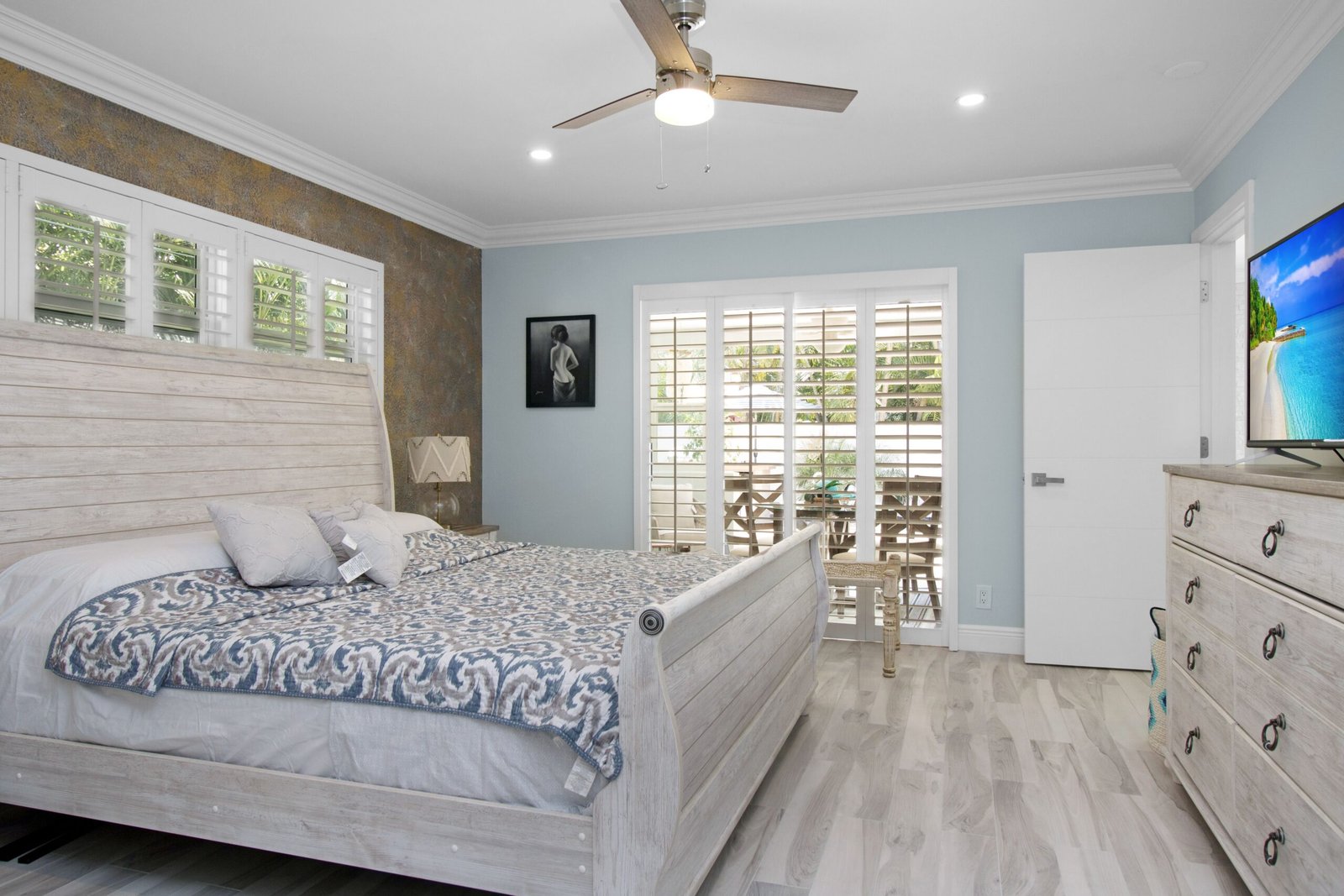
  • Where Can I Buy Composite Shutters Near Me?

    Where Can I Buy Composite Shutters Near Me?

    Composite shutters have become one of the most searched window covering options in the UK and the question “where can I buy composite shutters near me?” reflects a buyer who has already done enough research to know what they want but is now trying to find the right local or national supplier to deliver it. This guide answers that question directly,

    explains exactly what composite shutters are and how the different types compare, helps you identify which composite material suits your specific rooms, and shows you how Lafayette Shutters supplies and installs bespoke composite plantation shutters across Yorkshire, Derbyshire, and nationwide on a supply-only basis.

    What Are Composite Shutters?

    Composite shutters is a broad category term that covers several distinct materials, all of which combine more than one component to produce a shutter that outperforms standard timber on specific practical characteristics. The term is used differently by different suppliers, which causes genuine confusion when homeowners are comparing products online.

    In the UK shutter market, composite shutters typically refers to one of three specific material types: engineered wood composite (MDF core with polymer coating), ABS composite (Acrylonitrile Butadiene Styrene a fully synthetic polymer), and UPVC or PVC composite (polyvinyl chloride, sometimes sold as polywood or faux wood). Each has distinct properties, different price points, and specific room applications where it performs best.

    Understanding which type a supplier is actually offering rather than relying on the generic label “composite” is the single most important thing to clarify before purchasing.

    The Three Types of Composite Shutters Explained

    Engineered Wood Composite (MDF)

    MDF shutters are manufactured from Medium-Density Fibreboard wood fibres bonded with resin and compressed under high pressure finished with a high-quality polymer coating. MDF composite shutters are among the most widely sold shutter products globally, valued for their dense, consistent surface quality, smooth painted finish, and cost-effectiveness for small to medium-sized windows.

    MDF composite shutters are typically around 10% less expensive than PVC alternatives and significantly less expensive than premium hardwood, making them an attractive option for homeowners furnishing multiple rooms at once. Their dense construction produces a sturdy, substantial feel that many homeowners prefer over lighter synthetic alternatives. The polymer coating provides resistance to chips, bumps, and scratches holding up well in living rooms, bedrooms, and hallways with normal everyday use.

    The practical limitation of MDF composite shutters is weight. MDF is a dense product, and larger panels become heavy. As a general rule confirmed across the UK shutter industry, any shutter panel over approximately three metres in height is unlikely to be suitable for MDF composite the weight places excessive strain on hinges and frame joints over time. For large windows, wide bay openings, or tall floor-to-ceiling glazing, lightweight hardwood materials such as Paulownia or basswood are the more appropriate specification.

    MDF composite is also not suitable for bathrooms, kitchens, or any consistently high-humidity room. Despite the polymer surface coating, MDF at its core is engineered wood it will absorb moisture through joints, hinge fixings, and any point where the coating has been compromised, eventually swelling, delaminating, and failing structurally.

    ABS Composite Shutters

    ABS (Acrylonitrile Butadiene Styrene) is the material used for the outer coating of Lafayette’s flagship Paulownia hardwood range the ABS coating is what transforms a naturally stable timber into a moisture-resistant, dimensionally stable, wipe-clean product. ABS is also available as a fully synthetic shutter material without any wood core, in which case it is genuinely non-porous and fully waterproof.

    ABS is approximately 20% more expensive than MDF composite but offers superior moisture resistance, better long-term dimensional stability under temperature cycling, and resistance to the UV yellowing that affects cheaper PVC products over several years of south-facing sun exposure. Its surface takes paint finishes well and is available in a wider colour range than standard UPVC.

    For households comparing composite options on a room-by-room basis, ABS represents the best mid-range composite specification: more moisture-tolerant than MDF, more aesthetically versatile than standard PVC, and less expensive than premium hardwood while still delivering a high-quality surface finish.

    UPVC and PVC Composite Shutters

    UPVC (Unplasticised Polyvinyl Chloride) and standard PVC shutters are the fully waterproof end of the composite spectrum. Neither material contains any wood component, making them genuinely non-porous and unaffected by moisture regardless of how frequently or intensely a room is used. They are the correct specification for bathrooms, en-suites, utility rooms, and any room where direct water splash or sustained humidity is a daily condition.

    The trade-offs of UPVC and PVC compared to engineered composite alternatives are worth understanding clearly. PVC expands and contracts with temperature changes more noticeably than ABS or engineered wood composites in rooms with significant thermal cycling (conservatories, south-facing rooms in direct sun, rooms with underfloor heating that runs intermittently), this can cause the painted surface to crack or peel over time. Standard PVC also cannot be successfully re-painted if the colour needs updating, whereas ABS and engineered wood composites accept paint refinishing.

    Weight is also a factor with PVC composite products. PVC shutters are generally heavy relative to their size, and this weight limitation like MDF means they are not suitable for very large panels or windows over approximately three metres in height, where lightweight hardwood is a better structural choice.

    Lafayette’s European UPVC range addresses many of these limitations through careful specification of panel thickness relative to window size, available in white with lead times of 3 to 4 weeks the fastest in the range. For Yorkshire and Derbyshire homeowners who need waterproof composite shutters for a bathroom or kitchen quickly, this is the most practical option.

    Composite Shutters vs Hardwood: Which Should You Choose?

    This is the question that most buyers searching for “composite shutters near me” are really trying to answer not just where to buy them, but whether composite is actually the right choice for their home.

    The honest answer depends entirely on the room, the window size, and the priorities that matter most.

    FactorComposite (MDF/ABS/PVC)Hardwood (Paulownia/Basswood)
    CostLower to moderateModerate to premium
    WeightHeavier for equivalent sizeLighter better for large panels
    Moisture resistanceGood (ABS/PVC) to limited (MDF)Good with ABS coating
    Thermal insulationModerateBetter wood naturally insulates
    Large window suitabilityLimited above 3mExcellent
    Aesthetic warmthConsistent smooth finishNatural wood feel and grain options
    MaintenanceMinimal wipe cleanMinimal occasional gentle wipe
    Lifespan10 to 15 years15 to 20+ years with quality spec
    Re-paintabilityABS and MDF yes, PVC noYes

    For standard-sized windows in living rooms, bedrooms, and hallways, a good quality engineered wood composite or ABS composite shutter delivers excellent results at a lower cost than hardwood. For larger windows, bay window installations, rooms exposed to significant direct sun, or any application where the shutters will be used intensively over many years, hardwood particularly Paulownia with ABS coating is consistently the stronger long-term specification.

    The Lafayette FAQ covers material suitability in detail, including specific guidance on which windows in Yorkshire’s older housing stock are best suited to composite versus hardwood options.

    Which Rooms Are Composite Shutters Best Suited To?

    Room suitability is where the three composite types diverge most clearly, and getting this right at the point of specification avoids costly remediation later.

    Living rooms and dining rooms are the most straightforward application for engineered wood MDF composite or ABS composite shutters. These rooms have stable humidity levels, normal temperature ranges, and no risk of direct water contact. Composite shutters perform well here and represent good value compared to hardwood for homeowners who prioritise cost efficiency without compromising on finish quality.

    Bedrooms are equally suitable for MDF and ABS composite options. The bedroom environment is dry and relatively stable in terms of temperature and humidity, and composite shutters in these rooms will reach their full expected lifespan without any material-specific concerns.

    Home offices and studies suit any composite material type, though ABS is preferred in rooms that see significant direct afternoon sun through south or west-facing windows, as its UV-stable finish resists yellowing better than standard PVC over time.

    Kitchens require careful material selection. The combination of cooking steam, grease, and repeated temperature spikes from the oven and hob creates a challenging environment for any material. UPVC or ABS composite is the recommended specification for kitchen shutters MDF composite should not be used in kitchens with any significant cooking activity, as the humidity from cooking will eventually compromise the engineered wood core even through a polymer coating.

    Bathrooms and en-suites require a fully waterproof specification. UPVC or ABS composite with stainless steel hardware is the only appropriate composite choice for a bathroom MDF composite will fail in bathroom conditions regardless of the quality of the surface coating. Lafayette’s UPVC plantation shutters are specifically designed for high-humidity rooms and carry a 10-year warranty covering normal bathroom use.

    Conservatories and garden rooms are one of the most challenging shutter environments, with extreme temperature swings between seasons, sustained direct sun on south-facing elevations, and often higher-than-average ambient humidity. Hardwood with ABS coating is generally preferred for conservatory shutters over composite alternatives, since the thermal expansion behaviour of PVC and heavy MDF panels in sustained high temperatures can affect panel alignment and louvre operation over time.

    How to Find Composite Shutter Suppliers and Installers Near You

    The question “composite shutters near me” reflects a natural preference for a local supplier who can provide an in-home survey, show physical samples, and offer professional installation. Here is how to find a reliable one and what to look for when comparing options.

    What to Look for in a Local Composite Shutter Supplier

    In-home survey availability. Any reputable composite shutter supplier offering a fitted service should provide a free home survey before quoting. Composite shutters are made to measure, and submitting measurements without a professional survey is the most common cause of fitting problems. Be cautious of any supplier who asks you to measure your own windows for a professionally installed order.

    Material transparency. Ask specifically which composite material they are using MDF, ABS, UPVC, or PVC and what the coating or finish involves. “Composite” is not a specific enough answer to make an informed comparison between suppliers. A good supplier will explain exactly what their product is made from and why it suits your room.

    Warranty coverage. A supplier confident in their composite product will offer a warranty of at least five years. Lafayette’s composite and UPVC shutters carry a 10-year warranty. Always confirm whether the warranty covers both the manufactured product and any fitting-related issues separately.

    Local installation coverage. Not every composite shutter supplier offering a national website actually installs in your area. Confirm installation coverage specifically for your postcode before progressing with a survey.

    Reviews from real local customers. Check Google reviews for recent feedback from customers in your area specifically looking for comments about measuring accuracy, the fitting process, and how the supplier handled any issues after installation.

    National Supply vs Local Install: Understanding Your Options

    Many composite shutter buyers in the UK have two practical routes to getting shutters fitted: a local specialist who handles the full supply-and-install service, or a national supplier who provides made-to-measure shutters on a supply-only basis with the buyer or their own tradesperson handling the fitting.

    Lafayette Shutters operates both models. Supply and install services cover Sheffield, Rotherham, Barnsley, Doncaster, Huddersfield, Chesterfield, and the wider Yorkshire and Derbyshire region with every order starting from a free home survey. Supply-only composite shutters are available to buyers across Great Britain, with full measuring instructions and fitting guidance included.

    The supply-only route is typically 30 to 50% less expensive than the supply-and-install equivalent and suits homeowners who are comfortable with basic DIY measuring and installation. For composite shutters on standard rectangular windows, supply-only installation is a realistic option for a confident DIYer. For bay windows, non-standard openings, or first-time shutter installations, the supply-and-install route provides the professional measurement and fitting that ensures the finished result performs as it should.

    How Much Do Composite Shutters Cost in the UK?

    Composite shutter pricing varies by window size, material type, and whether the order is supply-only or supply-and-install. As a guide for made-to-measure composite shutters in the UK:

    Window TypeSupply-Only (Approx.)Supply and Install (Approx.)
    Small window (60cm x 90cm)£180 to £300£300 to £500
    Standard living room window (100cm x 120cm)£320 to £520£500 to £800
    Bathroom window, UPVC (60cm x 80cm)£160 to £280£280 to £480
    Large bay window (3 section)£700 to £1,200£1,100 to £1,900

    ABS composite sits at the upper end of these ranges approximately 20% above MDF composite pricing. UPVC sits between the two. These are indicative ranges based on current UK market pricing for bespoke made-to-measure products. For an accurate quote based on your specific windows and location, use the Lafayette online quote tool to get an instant price estimate.

    Why Buy Composite Shutters From Lafayette Shutters?

    Lafayette Shutters works directly with manufacturers, removing the middleman markup that inflates prices at larger national chains. The result is a bespoke, made-to-measure composite or UPVC shutter supplied at a more competitive price than brands carrying the overhead of showrooms, franchise networks, or mass retail distribution.

    The Lafayette range includes UPVC composite shutters in the European range (3 to 4 week lead time, white), Paulownia hardwood with ABS coating (the flagship material combining hardwood insulation with ABS moisture resistance, 10 to 12 week lead time, 13 colours and 4 stains), and basswood for larger dry-room applications.

    Every supply-and-install order across the Yorkshire and Derbyshire region starts with a free home survey, where a specialist assesses every window, recommends the most suitable composite material for each room, shows you physical samples, and provides a written no-obligation quote. Payments can be made by card, PayPal, or bank transfer.

    Composite Shutters for Yorkshire and Derbyshire Homes: Areas Covered

    Lafayette Shutters installs composite plantation shutters across a wide area of Yorkshire and Derbyshire:

    ●        Sheffield including Nether Edge, Crookes, Walkley, Hillsborough, Woodseats, Dore, and Totley

    ●        Rotherham the company’s home base and surrounding areas

    ●        Barnsley and surrounding towns

    ●        Doncaster and surrounding areas

    ●        Huddersfield and wider West Yorkshire

    ●        Chesterfield and across Derbyshire

    Supply-only composite shutters are available nationwide across Great Britain for homeowners outside this region.

    Frequently Asked Questions About Composite Shutters Near Me

    What are composite shutters made from?

    Composite shutters is a broad term covering several distinct materials: engineered wood composite (MDF core with polymer coating), ABS composite (fully synthetic acrylonitrile butadiene styrene), and UPVC or PVC (polyvinyl chloride). Each has different properties, price points, and room suitability. Always ask a supplier to specify exactly which composite material their product uses rather than accepting “composite” as a sufficient description.

    Are composite shutters better than wood shutters?

    Composite shutters offer advantages over standard hardwood in specific applications they are generally less expensive, require no refinishing, and their polymer or synthetic surface resists chipping and scratching in busy homes. Premium hardwood shutters particularly Paulownia with ABS coating outperform standard composite on thermal insulation, suitability for large windows, and long-term lifespan. The right choice depends on the room, window size, and budget rather than one material being universally superior.

    Can composite shutters be used in bathrooms?

    MDF composite shutters should not be used in bathrooms because the engineered wood core will eventually absorb moisture through joints and fixings, causing the material to swell and fail. UPVC and ABS composite shutters are fully waterproof and are the correct specification for bathroom and en-suite windows, including those in direct splash zones near showers or baths.

    How long do composite shutters last?

    Quality engineered wood MDF and ABS composite shutters typically last 10 to 15 years when used in appropriate dry-room applications. UPVC composite shutters used correctly in bathrooms and kitchens have a similar lifespan of 10 to 15 years. Lafayette’s UPVC and Paulownia ABS-coated shutters carry a 10-year warranty. Composite shutters used outside their recommended room type particularly MDF in high-humidity rooms will fail significantly earlier.

    Can composite shutters be painted?

    ABS composite and engineered wood MDF composite shutters can be re-painted if the colour needs updating both materials accept paint finishes and can be refreshed without specialist equipment. Standard UPVC and PVC composite shutters generally cannot be successfully repainted, because PVC’s thermal expansion causes paint to crack and peel over time. When selecting a composite shutter, confirm with the supplier whether re-painting is possible for the specific product offered.

    How do I find composite shutter installers near me?

    Lafayette Shutters installs composite and UPVC plantation shutters across Sheffield, Rotherham, Barnsley, Doncaster, Huddersfield, Chesterfield, and the wider Yorkshire and Derbyshire area. For homeowners outside this region, supply-only composite shutters are available nationwide with full fitting guidance. For an instant price and to check installation availability in your area, use the Lafayette quote tool or contact the team directly.

    What is the difference between composite and UPVC plantation shutters?

    UPVC plantation shutters are a specific type of composite shutter made from polyvinyl chloride a fully synthetic, non-porous material. The broader category of composite shutters also includes engineered wood MDF composites and ABS composites, which contain different materials and have different performance characteristics. UPVC is the correct choice for wet rooms; MDF and ABS composites are better suited to dry living spaces where the additional cost of UPVC is not warranted by the room environment.

    Ready to Find Composite Shutters Near You?

    Lafayette Shutters supplies bespoke composite window shutters in UPVC, ABS, and engineered wood composite across Yorkshire, Derbyshire, and nationwide on a supply-only basis. Every supply-and-install order starts with a free home survey a specialist visits your home, assesses each room, shows you physical samples, and provides a no-obligation written quote.

    Call 0114 698 6245, email info@lafayette-shutters.co.uk, or use the online quote tool for an instant price estimate.
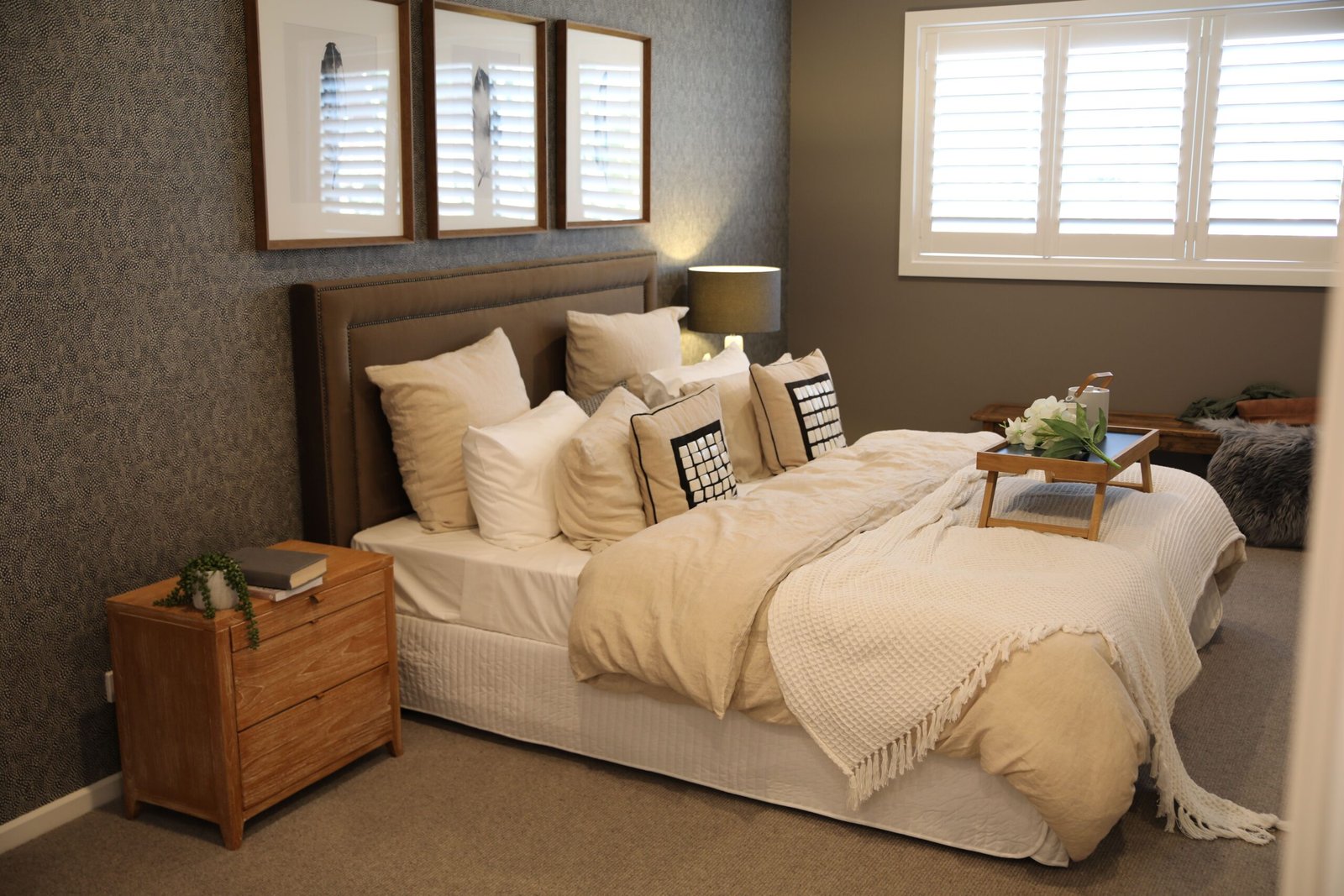
  • Who Installs Plantation Shutters in Sheffield?

    Who Installs Plantation Shutters in Sheffield?

    If you have searched “who installs plantation shutters in Sheffield” or “plantation shutters near me”, you are likely past the browsing stage and ready to get your windows measured. This guide explains who provides plantation shutter installation across Sheffield, what separates a reliable local fitter from a risky one, and exactly what to expect from the process with Lafayette Shutters  a Yorkshire-based specialist supplying and installing custom plantation shutters across the city and the wider South Yorkshire region.

    Who Installs Plantation Shutters in Sheffield?

    Sheffield has a genuine local market for plantation shutter installation, ranging from sole traders and small local fitters to specialist supply-and-install businesses. Coverage generally falls into three categories:

    Specialist shutter suppliers with their own installation teams measure, manufacture, and fit shutters as a single managed service, with full accountability for both the product and the fitting. This is the route Lafayette Shutters offers, operating from a base in nearby Rotherham and covering Sheffield, Barnsley, Doncaster, Huddersfield, Chesterfield, and the wider Yorkshire and Derbyshire area.

    Independent local fitters typically work alone or in small teams, often found through trade directories. They can offer competitive pricing and a personal touch, though it is worth checking their experience specifically with bay windows or shaped openings if your property has either.

    National blind and curtain retailers with local franchises offer shutters as one product among several window covering options. They can be a reasonable choice for straightforward standard windows, though shutter-specific expertise can vary by branch.

    Whichever route you choose, made-to-measure plantation shutters always follow the same basic structure: a measuring visit, manufacturing to your exact window dimensions, and a fitting appointment. The differences lie in who handles each stage and how accountable they are if something needs adjusting afterwards.

    What to Look for in a Sheffield Shutter Installer

    Choosing the right installer matters more for shutters than for almost any other home improvement, because they are made to measure and cannot simply be returned to a shelf if they do not fit. A few checks make a meaningful difference to the outcome.

    Insurance and Accountability

    Always verify that an installer carries public liability insurance before work begins in your home. Verifying public liability insurance ensures you are covered against any potential accidents or damages during the work. A specialist supply-and-install company will typically have this in place as standard; an independent fitter should be able to confirm it on request.

    Reviews From Real Local Customers

    Reading online reviews helps determine an installer’s reputation and quality of work.  Look specifically for reviews that mention measuring accuracy, communication, and how any issues were handled after fitting  not just how the finished shutters look in a photograph.

    Experience With Your Specific Window Type

    Bay windows or unusual shapes can be tricky to install correctly, and for a perfect finish many homeowners choose to hire an experienced fitter specifically for that reason. If you have a bay-fronted Victorian terrace  common across Nether Edge, Crookes, and Hillsborough  ask to see examples of bay window installations specifically, not just general shutter work.

    Multiple Quotes Before Committing

    Getting multiple quotes from at least three tradespeople allows you to compare prices and services properly before committing to an order. Because shutters are bespoke and non-returnable once manufactured, this comparison step is worth the extra time it takes.

    Clarity on What the Quote Includes

    Ask explicitly whether the quote includes installation, or whether fitting is charged separately. Some local providers bundle this in by default  for example, one South Yorkshire shutter supplier confirms that every quote includes free installation as standard, with expert fitting and a tidy finish included in the price.  Always get this in writing before agreeing to proceed.

    What Plantation Shutter Installation Actually Involves in Sheffield

    Understanding the practical steps helps you know what to expect and spot a rushed or incomplete job before it happens.

    Step 1: Initial Enquiry and Free Survey

    A reputable installer arranges a free home survey before quoting anything. A specialist visits your Sheffield property, measures each window properly, discusses material and style options, and shows you samples in person rather than relying on photos alone.

    Step 2: Accurate Measurement

    This is the single most important stage of the entire process. Windows in Sheffield’s older housing stock  particularly Victorian and Edwardian terraces across Heeley, Walkley, and Sharrow  are frequently slightly out of square, which means a professional installer measures at multiple points across each window opening rather than taking a single figure.

    Step 3: Manufacturing

    Once measurements and your chosen material, colour, and style are confirmed, your shutters are manufactured specifically to your windows. Lead times vary by material  Lafayette’s European UPVC range typically takes 3 to 4 weeks, while Paulownia hardwood and other bespoke materials take longer.

    Step 4: Professional Fitting

    A trained fitter installs the shutters, checking that panels open and close smoothly, louvres sit flush, and the frame is secure and properly sealed to the window reveal. A tidy installer leaves no mess and walks you through how to operate your new shutters before leaving.

    Step 5: Aftercare

    A trustworthy installer remains contactable after the job if any adjustment is needed. Ask specifically what is covered under warranty for fitting-related issues, not just manufacturing faults.

    Why Choose a Specialist Supply-and-Install Company in Sheffield

    There is a clear practical advantage to choosing a company that manages both manufacturing and fitting under one roof, rather than coordinating a supplier and an independent fitter separately.

    Single point of accountability. If an issue arises after installation, there is no ambiguity about whether it stems from a measuring error or a manufacturing fault  one company is responsible for the whole process.

    Specialist experience with local housing stock. A Yorkshire-based installer who regularly works on Sheffield’s bay-fronted terraces, sash windows, and period properties brings relevant experience that a generalist fitter may not have.

    Direct manufacturer relationships. Working directly with manufacturers, rather than through several layers of supplier and retailer, typically keeps pricing more transparent and competitive.

    Consistent warranty terms. A single company handling supply and install can offer one clear warranty covering both the product and the fitting, rather than two separate guarantees that may not align if a dispute arises.

    Lafayette Shutters: Installation Across Sheffield and South Yorkshire

    Lafayette Shutters is based in Rotherham and provides supply and install services across Sheffield and the surrounding region, including:

    • Sheffield  covering Nether Edge, Crookes, Hillsborough, Walkley, Heeley, Sharrow, Woodseats, Dore, Totley, and the wider city
    • Rotherham  the company’s home base
    • Barnsley and surrounding towns
    • Doncaster and surrounding areas
    • Huddersfield
    • Chesterfield and across Derbyshire

    Every fitted order begins with a free, no-obligation home survey, where a specialist measures your windows precisely and talks you through material and style options  including Paulownia hardwood with ABS coating, UPVC, and basswood  without pressure to commit on the spot.

    For homeowners who prefer to fit shutters themselves, supply-only orders ship nationwide across Great Britain, with full instructions included.

    How Much Does Plantation Shutter Installation Cost in Sheffield?

    Pricing depends on window size, material, and style, but here is a realistic guide for fitted installation in Sheffield:

    Window TypeEstimated Cost (Supply and Fit)
    Small bedroom window£350 to £550
    Standard living room window£550 to £850
    Large bay window (3 section)£1,200 to £2,200
    Bathroom window (UPVC)£300 to £500

    For a more general view of UK-wide pricing, Checkatrade’s plantation shutters cost guide gives a useful national benchmark, though local installer pricing in Sheffield is typically more competitive than London averages.

    For the most accurate figure for your specific windows, get an instant quote directly from Lafayette Shutters with no obligation to proceed.

    Frequently Asked Questions About Plantation Shutter Installers in Sheffield

    Who installs plantation shutters in Sheffield?

    Sheffield has several options, including specialist supply-and-install companies, independent local fitters, and national blind and curtain retailers with local coverage. Lafayette Shutters, based in nearby Rotherham, provides a managed supply and install service covering Sheffield and the wider South Yorkshire region, handling measuring, manufacturing, and fitting as a single accountable service.

    How do I find a reliable plantation shutter installer near me in Sheffield?

    Check that the installer carries public liability insurance, read genuine local customer reviews that mention measuring accuracy and aftercare, ask to see examples of work on windows similar to yours (particularly bay windows if relevant), and get at least one other quote to compare pricing and service before committing. A reputable installer will offer a free home survey before any commitment is required.

    Does plantation shutter installation in Sheffield include fitting in the quoted price?

    This varies by installer. Some companies include fitting as standard within their quoted price, while others quote supply and installation separately. Always confirm this explicitly in writing before placing an order, particularly when comparing quotes from different providers, since an apparently lower quote may exclude fitting costs.

    How long does it take to get plantation shutters installed in Sheffield once ordered?

    Because plantation shutters are made to measure, there is a manufacturing lead time between ordering and installation. This typically ranges from 3 to 4 weeks for UPVC materials up to around 10 to 12 weeks for bespoke hardwood options, depending on the specific product ordered. The installation appointment itself usually takes between a couple of hours and a full day depending on the number of windows.

    Can the same company in Sheffield supply and fit bay window shutters?

    Yes, and this is generally the recommended approach for bay windows specifically. Bay windows require precise measurement of the angles between each section, and using a single company for both measuring and fitting avoids any ambiguity if the panels do not align perfectly. Always ask to see examples of bay window installations before committing if this applies to your property.

    What should I check before hiring a plantation shutter installer in Sheffield?

    Verify public liability insurance, read reviews focused on installation quality rather than just the finished product appearance, confirm whether the quote includes fitting, ask about warranty cover for both the product and the installation, and request examples of work on window types similar to your own. Comparing at least two or three quotes before committing is also recommended given the bespoke, non-returnable nature of made-to-measure shutters.

    Get a Free Quote for Plantation Shutter Installation in Sheffield

    Lafayette Shutters provides a complete supply and install service for plantation shutters across Sheffield, Rotherham, Barnsley, Doncaster, Huddersfield, and Chesterfield. Every fitted order starts with a free home survey  a specialist measures your windows accurately, shows you material samples, and gives you a written, no-obligation quote.

    Call 0114 698 6245, email info@lafayette-shutters.co.uk, or use the online quote tool to get an instant price estimate for your Sheffield home.