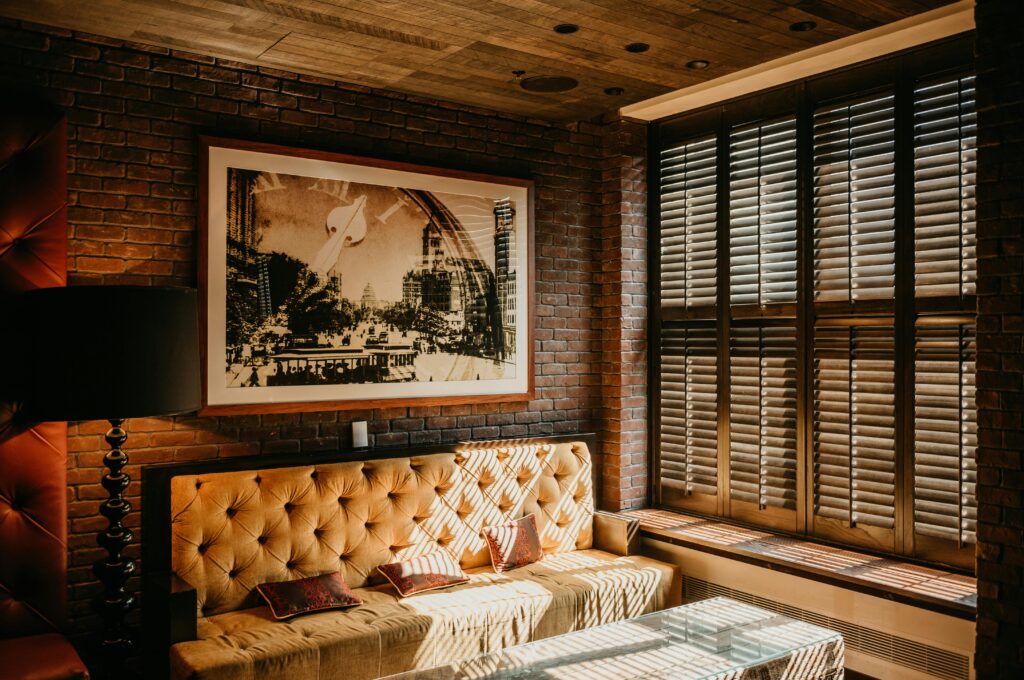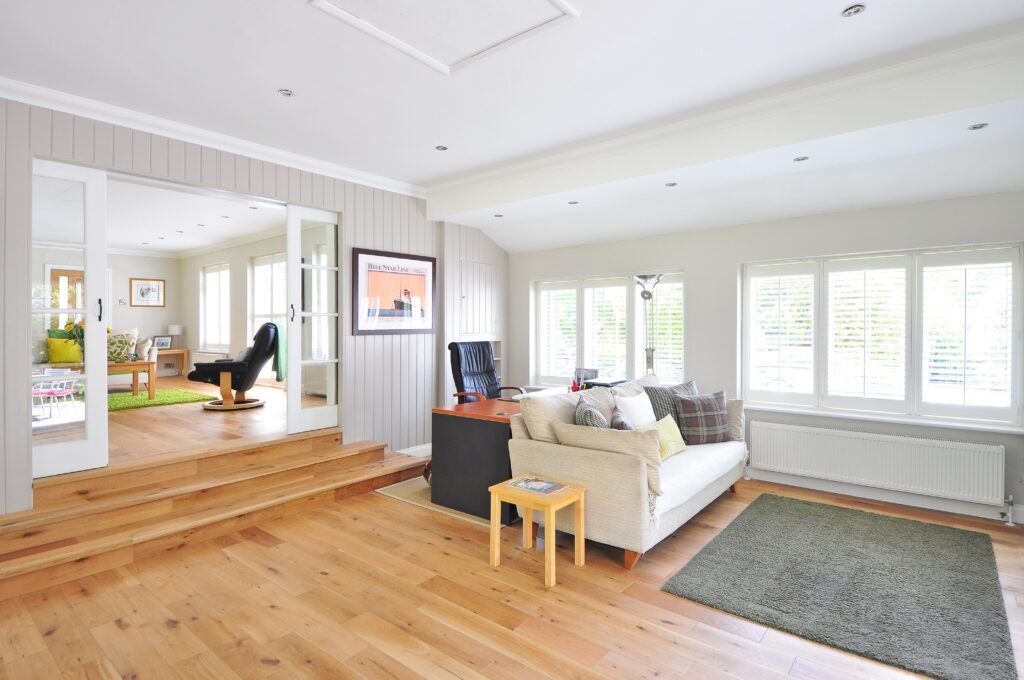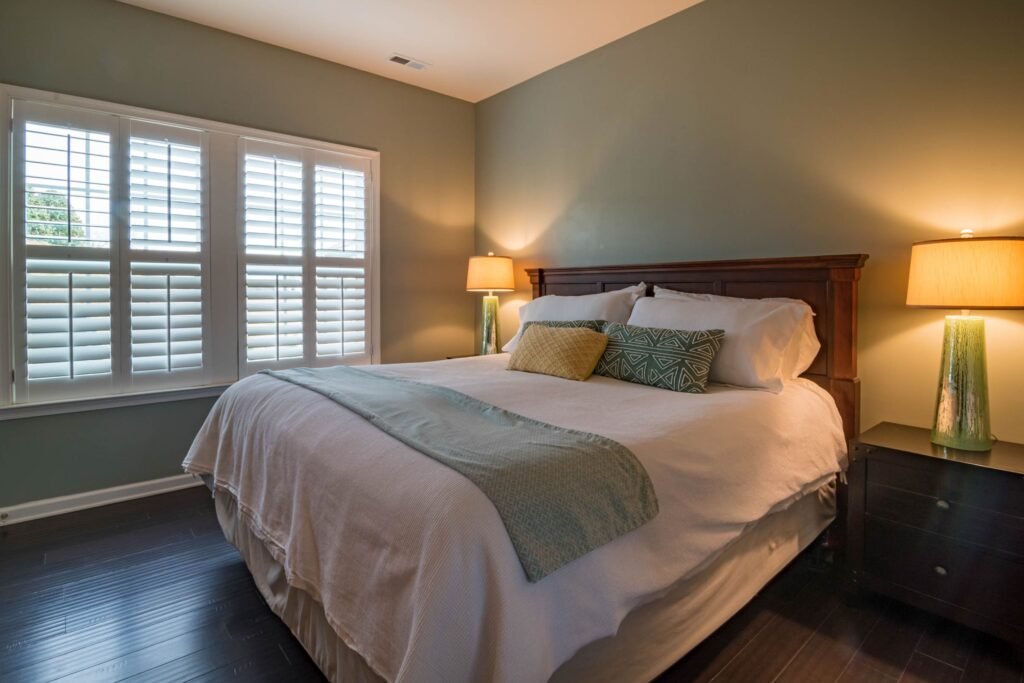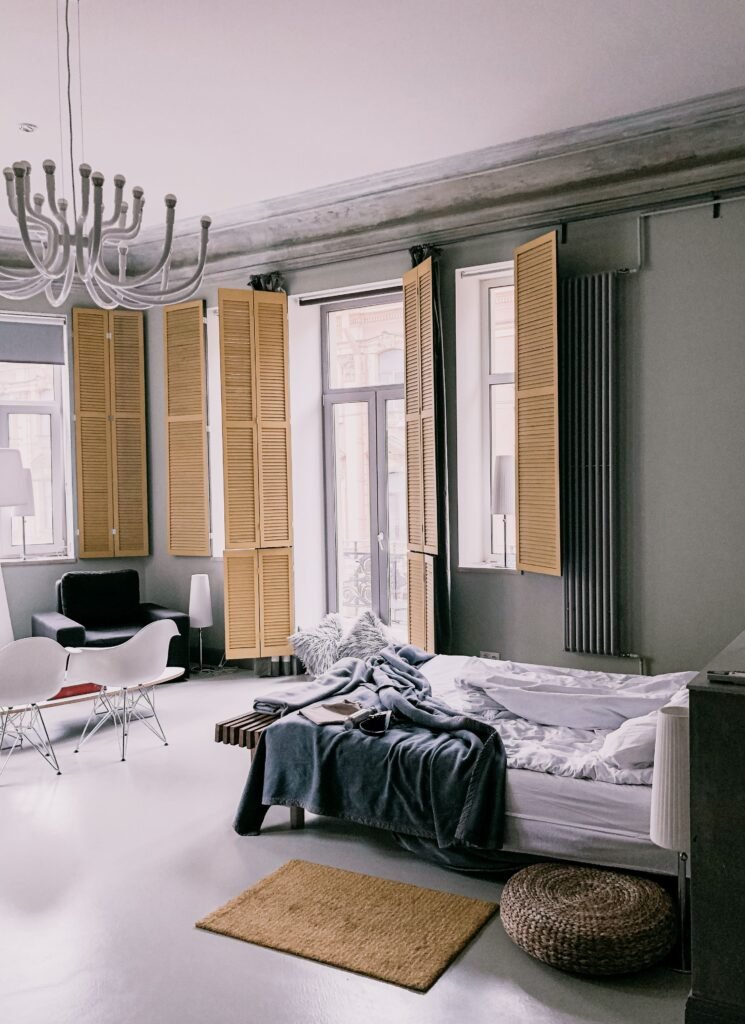
Composite shutters have become one of the most searched window covering options in the UK and the question “where can I buy composite shutters near me?” reflects a buyer who has already done enough research to know what they want but is now trying to find the right local or national supplier to deliver it. This guide answers that question directly,
explains exactly what composite shutters are and how the different types compare, helps you identify which composite material suits your specific rooms, and shows you how Lafayette Shutters supplies and installs bespoke composite plantation shutters across Yorkshire, Derbyshire, and nationwide on a supply-only basis.
What Are Composite Shutters?
Composite shutters is a broad category term that covers several distinct materials, all of which combine more than one component to produce a shutter that outperforms standard timber on specific practical characteristics. The term is used differently by different suppliers, which causes genuine confusion when homeowners are comparing products online.
In the UK shutter market, composite shutters typically refers to one of three specific material types: engineered wood composite (MDF core with polymer coating), ABS composite (Acrylonitrile Butadiene Styrene a fully synthetic polymer), and UPVC or PVC composite (polyvinyl chloride, sometimes sold as polywood or faux wood). Each has distinct properties, different price points, and specific room applications where it performs best.
Understanding which type a supplier is actually offering rather than relying on the generic label “composite” is the single most important thing to clarify before purchasing.
The Three Types of Composite Shutters Explained
Engineered Wood Composite (MDF)
MDF shutters are manufactured from Medium-Density Fibreboard wood fibres bonded with resin and compressed under high pressure finished with a high-quality polymer coating. MDF composite shutters are among the most widely sold shutter products globally, valued for their dense, consistent surface quality, smooth painted finish, and cost-effectiveness for small to medium-sized windows.
MDF composite shutters are typically around 10% less expensive than PVC alternatives and significantly less expensive than premium hardwood, making them an attractive option for homeowners furnishing multiple rooms at once. Their dense construction produces a sturdy, substantial feel that many homeowners prefer over lighter synthetic alternatives. The polymer coating provides resistance to chips, bumps, and scratches holding up well in living rooms, bedrooms, and hallways with normal everyday use.
The practical limitation of MDF composite shutters is weight. MDF is a dense product, and larger panels become heavy. As a general rule confirmed across the UK shutter industry, any shutter panel over approximately three metres in height is unlikely to be suitable for MDF composite the weight places excessive strain on hinges and frame joints over time. For large windows, wide bay openings, or tall floor-to-ceiling glazing, lightweight hardwood materials such as Paulownia or basswood are the more appropriate specification.
MDF composite is also not suitable for bathrooms, kitchens, or any consistently high-humidity room. Despite the polymer surface coating, MDF at its core is engineered wood it will absorb moisture through joints, hinge fixings, and any point where the coating has been compromised, eventually swelling, delaminating, and failing structurally.
ABS Composite Shutters
ABS (Acrylonitrile Butadiene Styrene) is the material used for the outer coating of Lafayette’s flagship Paulownia hardwood range the ABS coating is what transforms a naturally stable timber into a moisture-resistant, dimensionally stable, wipe-clean product. ABS is also available as a fully synthetic shutter material without any wood core, in which case it is genuinely non-porous and fully waterproof.
ABS is approximately 20% more expensive than MDF composite but offers superior moisture resistance, better long-term dimensional stability under temperature cycling, and resistance to the UV yellowing that affects cheaper PVC products over several years of south-facing sun exposure. Its surface takes paint finishes well and is available in a wider colour range than standard UPVC.
For households comparing composite options on a room-by-room basis, ABS represents the best mid-range composite specification: more moisture-tolerant than MDF, more aesthetically versatile than standard PVC, and less expensive than premium hardwood while still delivering a high-quality surface finish.
UPVC and PVC Composite Shutters
UPVC (Unplasticised Polyvinyl Chloride) and standard PVC shutters are the fully waterproof end of the composite spectrum. Neither material contains any wood component, making them genuinely non-porous and unaffected by moisture regardless of how frequently or intensely a room is used. They are the correct specification for bathrooms, en-suites, utility rooms, and any room where direct water splash or sustained humidity is a daily condition.
The trade-offs of UPVC and PVC compared to engineered composite alternatives are worth understanding clearly. PVC expands and contracts with temperature changes more noticeably than ABS or engineered wood composites in rooms with significant thermal cycling (conservatories, south-facing rooms in direct sun, rooms with underfloor heating that runs intermittently), this can cause the painted surface to crack or peel over time. Standard PVC also cannot be successfully re-painted if the colour needs updating, whereas ABS and engineered wood composites accept paint refinishing.
Weight is also a factor with PVC composite products. PVC shutters are generally heavy relative to their size, and this weight limitation like MDF means they are not suitable for very large panels or windows over approximately three metres in height, where lightweight hardwood is a better structural choice.
Lafayette’s European UPVC range addresses many of these limitations through careful specification of panel thickness relative to window size, available in white with lead times of 3 to 4 weeks the fastest in the range. For Yorkshire and Derbyshire homeowners who need waterproof composite shutters for a bathroom or kitchen quickly, this is the most practical option.
Composite Shutters vs Hardwood: Which Should You Choose?
This is the question that most buyers searching for “composite shutters near me” are really trying to answer not just where to buy them, but whether composite is actually the right choice for their home.
The honest answer depends entirely on the room, the window size, and the priorities that matter most.
| Factor | Composite (MDF/ABS/PVC) | Hardwood (Paulownia/Basswood) |
| Cost | Lower to moderate | Moderate to premium |
| Weight | Heavier for equivalent size | Lighter better for large panels |
| Moisture resistance | Good (ABS/PVC) to limited (MDF) | Good with ABS coating |
| Thermal insulation | Moderate | Better wood naturally insulates |
| Large window suitability | Limited above 3m | Excellent |
| Aesthetic warmth | Consistent smooth finish | Natural wood feel and grain options |
| Maintenance | Minimal wipe clean | Minimal occasional gentle wipe |
| Lifespan | 10 to 15 years | 15 to 20+ years with quality spec |
| Re-paintability | ABS and MDF yes, PVC no | Yes |
For standard-sized windows in living rooms, bedrooms, and hallways, a good quality engineered wood composite or ABS composite shutter delivers excellent results at a lower cost than hardwood. For larger windows, bay window installations, rooms exposed to significant direct sun, or any application where the shutters will be used intensively over many years, hardwood particularly Paulownia with ABS coating is consistently the stronger long-term specification.
The Lafayette FAQ covers material suitability in detail, including specific guidance on which windows in Yorkshire’s older housing stock are best suited to composite versus hardwood options.
Which Rooms Are Composite Shutters Best Suited To?
Room suitability is where the three composite types diverge most clearly, and getting this right at the point of specification avoids costly remediation later.
Living rooms and dining rooms are the most straightforward application for engineered wood MDF composite or ABS composite shutters. These rooms have stable humidity levels, normal temperature ranges, and no risk of direct water contact. Composite shutters perform well here and represent good value compared to hardwood for homeowners who prioritise cost efficiency without compromising on finish quality.
Bedrooms are equally suitable for MDF and ABS composite options. The bedroom environment is dry and relatively stable in terms of temperature and humidity, and composite shutters in these rooms will reach their full expected lifespan without any material-specific concerns.
Home offices and studies suit any composite material type, though ABS is preferred in rooms that see significant direct afternoon sun through south or west-facing windows, as its UV-stable finish resists yellowing better than standard PVC over time.
Kitchens require careful material selection. The combination of cooking steam, grease, and repeated temperature spikes from the oven and hob creates a challenging environment for any material. UPVC or ABS composite is the recommended specification for kitchen shutters MDF composite should not be used in kitchens with any significant cooking activity, as the humidity from cooking will eventually compromise the engineered wood core even through a polymer coating.
Bathrooms and en-suites require a fully waterproof specification. UPVC or ABS composite with stainless steel hardware is the only appropriate composite choice for a bathroom MDF composite will fail in bathroom conditions regardless of the quality of the surface coating. Lafayette’s UPVC plantation shutters are specifically designed for high-humidity rooms and carry a 10-year warranty covering normal bathroom use.
Conservatories and garden rooms are one of the most challenging shutter environments, with extreme temperature swings between seasons, sustained direct sun on south-facing elevations, and often higher-than-average ambient humidity. Hardwood with ABS coating is generally preferred for conservatory shutters over composite alternatives, since the thermal expansion behaviour of PVC and heavy MDF panels in sustained high temperatures can affect panel alignment and louvre operation over time.
How to Find Composite Shutter Suppliers and Installers Near You
The question “composite shutters near me” reflects a natural preference for a local supplier who can provide an in-home survey, show physical samples, and offer professional installation. Here is how to find a reliable one and what to look for when comparing options.
What to Look for in a Local Composite Shutter Supplier
In-home survey availability. Any reputable composite shutter supplier offering a fitted service should provide a free home survey before quoting. Composite shutters are made to measure, and submitting measurements without a professional survey is the most common cause of fitting problems. Be cautious of any supplier who asks you to measure your own windows for a professionally installed order.
Material transparency. Ask specifically which composite material they are using MDF, ABS, UPVC, or PVC and what the coating or finish involves. “Composite” is not a specific enough answer to make an informed comparison between suppliers. A good supplier will explain exactly what their product is made from and why it suits your room.
Warranty coverage. A supplier confident in their composite product will offer a warranty of at least five years. Lafayette’s composite and UPVC shutters carry a 10-year warranty. Always confirm whether the warranty covers both the manufactured product and any fitting-related issues separately.
Local installation coverage. Not every composite shutter supplier offering a national website actually installs in your area. Confirm installation coverage specifically for your postcode before progressing with a survey.
Reviews from real local customers. Check Google reviews for recent feedback from customers in your area specifically looking for comments about measuring accuracy, the fitting process, and how the supplier handled any issues after installation.
National Supply vs Local Install: Understanding Your Options
Many composite shutter buyers in the UK have two practical routes to getting shutters fitted: a local specialist who handles the full supply-and-install service, or a national supplier who provides made-to-measure shutters on a supply-only basis with the buyer or their own tradesperson handling the fitting.
Lafayette Shutters operates both models. Supply and install services cover Sheffield, Rotherham, Barnsley, Doncaster, Huddersfield, Chesterfield, and the wider Yorkshire and Derbyshire region with every order starting from a free home survey. Supply-only composite shutters are available to buyers across Great Britain, with full measuring instructions and fitting guidance included.
The supply-only route is typically 30 to 50% less expensive than the supply-and-install equivalent and suits homeowners who are comfortable with basic DIY measuring and installation. For composite shutters on standard rectangular windows, supply-only installation is a realistic option for a confident DIYer. For bay windows, non-standard openings, or first-time shutter installations, the supply-and-install route provides the professional measurement and fitting that ensures the finished result performs as it should.
How Much Do Composite Shutters Cost in the UK?
Composite shutter pricing varies by window size, material type, and whether the order is supply-only or supply-and-install. As a guide for made-to-measure composite shutters in the UK:
| Window Type | Supply-Only (Approx.) | Supply and Install (Approx.) |
| Small window (60cm x 90cm) | £180 to £300 | £300 to £500 |
| Standard living room window (100cm x 120cm) | £320 to £520 | £500 to £800 |
| Bathroom window, UPVC (60cm x 80cm) | £160 to £280 | £280 to £480 |
| Large bay window (3 section) | £700 to £1,200 | £1,100 to £1,900 |
ABS composite sits at the upper end of these ranges approximately 20% above MDF composite pricing. UPVC sits between the two. These are indicative ranges based on current UK market pricing for bespoke made-to-measure products. For an accurate quote based on your specific windows and location, use the Lafayette online quote tool to get an instant price estimate.
Why Buy Composite Shutters From Lafayette Shutters?
Lafayette Shutters works directly with manufacturers, removing the middleman markup that inflates prices at larger national chains. The result is a bespoke, made-to-measure composite or UPVC shutter supplied at a more competitive price than brands carrying the overhead of showrooms, franchise networks, or mass retail distribution.
The Lafayette range includes UPVC composite shutters in the European range (3 to 4 week lead time, white), Paulownia hardwood with ABS coating (the flagship material combining hardwood insulation with ABS moisture resistance, 10 to 12 week lead time, 13 colours and 4 stains), and basswood for larger dry-room applications.
Every supply-and-install order across the Yorkshire and Derbyshire region starts with a free home survey, where a specialist assesses every window, recommends the most suitable composite material for each room, shows you physical samples, and provides a written no-obligation quote. Payments can be made by card, PayPal, or bank transfer.
Composite Shutters for Yorkshire and Derbyshire Homes: Areas Covered
Lafayette Shutters installs composite plantation shutters across a wide area of Yorkshire and Derbyshire:
● Sheffield including Nether Edge, Crookes, Walkley, Hillsborough, Woodseats, Dore, and Totley
● Rotherham the company’s home base and surrounding areas
● Barnsley and surrounding towns
● Doncaster and surrounding areas
● Huddersfield and wider West Yorkshire
● Chesterfield and across Derbyshire
Supply-only composite shutters are available nationwide across Great Britain for homeowners outside this region.
Frequently Asked Questions About Composite Shutters Near Me
What are composite shutters made from?
Composite shutters is a broad term covering several distinct materials: engineered wood composite (MDF core with polymer coating), ABS composite (fully synthetic acrylonitrile butadiene styrene), and UPVC or PVC (polyvinyl chloride). Each has different properties, price points, and room suitability. Always ask a supplier to specify exactly which composite material their product uses rather than accepting “composite” as a sufficient description.
Are composite shutters better than wood shutters?
Composite shutters offer advantages over standard hardwood in specific applications they are generally less expensive, require no refinishing, and their polymer or synthetic surface resists chipping and scratching in busy homes. Premium hardwood shutters particularly Paulownia with ABS coating outperform standard composite on thermal insulation, suitability for large windows, and long-term lifespan. The right choice depends on the room, window size, and budget rather than one material being universally superior.
Can composite shutters be used in bathrooms?
MDF composite shutters should not be used in bathrooms because the engineered wood core will eventually absorb moisture through joints and fixings, causing the material to swell and fail. UPVC and ABS composite shutters are fully waterproof and are the correct specification for bathroom and en-suite windows, including those in direct splash zones near showers or baths.
How long do composite shutters last?
Quality engineered wood MDF and ABS composite shutters typically last 10 to 15 years when used in appropriate dry-room applications. UPVC composite shutters used correctly in bathrooms and kitchens have a similar lifespan of 10 to 15 years. Lafayette’s UPVC and Paulownia ABS-coated shutters carry a 10-year warranty. Composite shutters used outside their recommended room type particularly MDF in high-humidity rooms will fail significantly earlier.
Can composite shutters be painted?
ABS composite and engineered wood MDF composite shutters can be re-painted if the colour needs updating both materials accept paint finishes and can be refreshed without specialist equipment. Standard UPVC and PVC composite shutters generally cannot be successfully repainted, because PVC’s thermal expansion causes paint to crack and peel over time. When selecting a composite shutter, confirm with the supplier whether re-painting is possible for the specific product offered.
How do I find composite shutter installers near me?
Lafayette Shutters installs composite and UPVC plantation shutters across Sheffield, Rotherham, Barnsley, Doncaster, Huddersfield, Chesterfield, and the wider Yorkshire and Derbyshire area. For homeowners outside this region, supply-only composite shutters are available nationwide with full fitting guidance. For an instant price and to check installation availability in your area, use the Lafayette quote tool or contact the team directly.
What is the difference between composite and UPVC plantation shutters?
UPVC plantation shutters are a specific type of composite shutter made from polyvinyl chloride a fully synthetic, non-porous material. The broader category of composite shutters also includes engineered wood MDF composites and ABS composites, which contain different materials and have different performance characteristics. UPVC is the correct choice for wet rooms; MDF and ABS composites are better suited to dry living spaces where the additional cost of UPVC is not warranted by the room environment.
Ready to Find Composite Shutters Near You?
Lafayette Shutters supplies bespoke composite window shutters in UPVC, ABS, and engineered wood composite across Yorkshire, Derbyshire, and nationwide on a supply-only basis. Every supply-and-install order starts with a free home survey a specialist visits your home, assesses each room, shows you physical samples, and provides a no-obligation written quote.
Call 0114 698 6245, email info@lafayette-shutters.co.uk, or use the online quote tool for an instant price estimate.